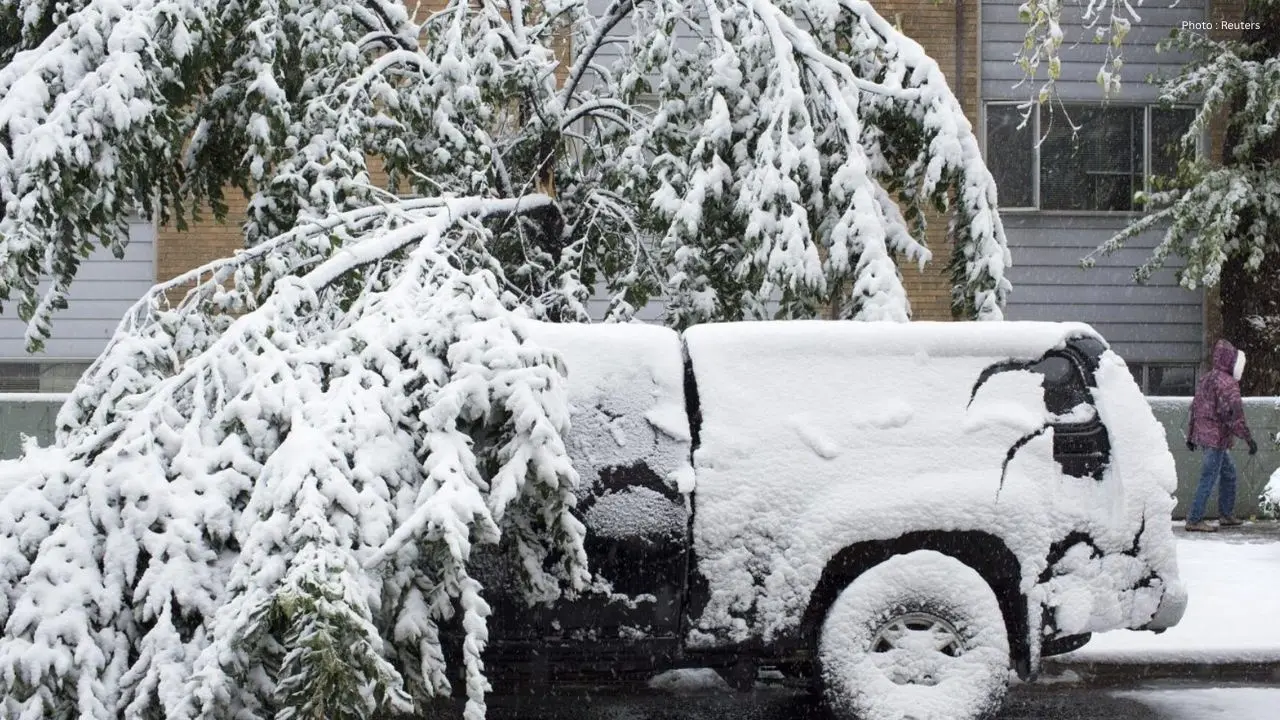
A late-season snowstorm is expected to sweep across parts of Alberta this week, bringing fresh snowfall even as many residents were hoping for warmer spring weather. According to Environment and Climate Change Canada, the system will begin late Monday and continue through Wednesday, with some regions likely to see significant accumulation.
Meteorologists say areas north of Edmonton will be the most affected, with snowfall warnings already issued for communities such as Peace River, Slave Lake, Athabasca, Lac La Biche, St. Paul and Cold Lake. These regions could receive around 15 centimetres of snow, while areas closer to the British Columbia border may see totals closer to 20 centimetres. The heaviest snowfall is expected overnight into Tuesday morning before gradually easing later in the day.
Temperatures across much of the province are forecast to remain near the freezing mark, meaning some of the snow may melt as it falls, especially in urban areas. However, the storm is still expected to create slippery conditions and may impact travel in several regions.
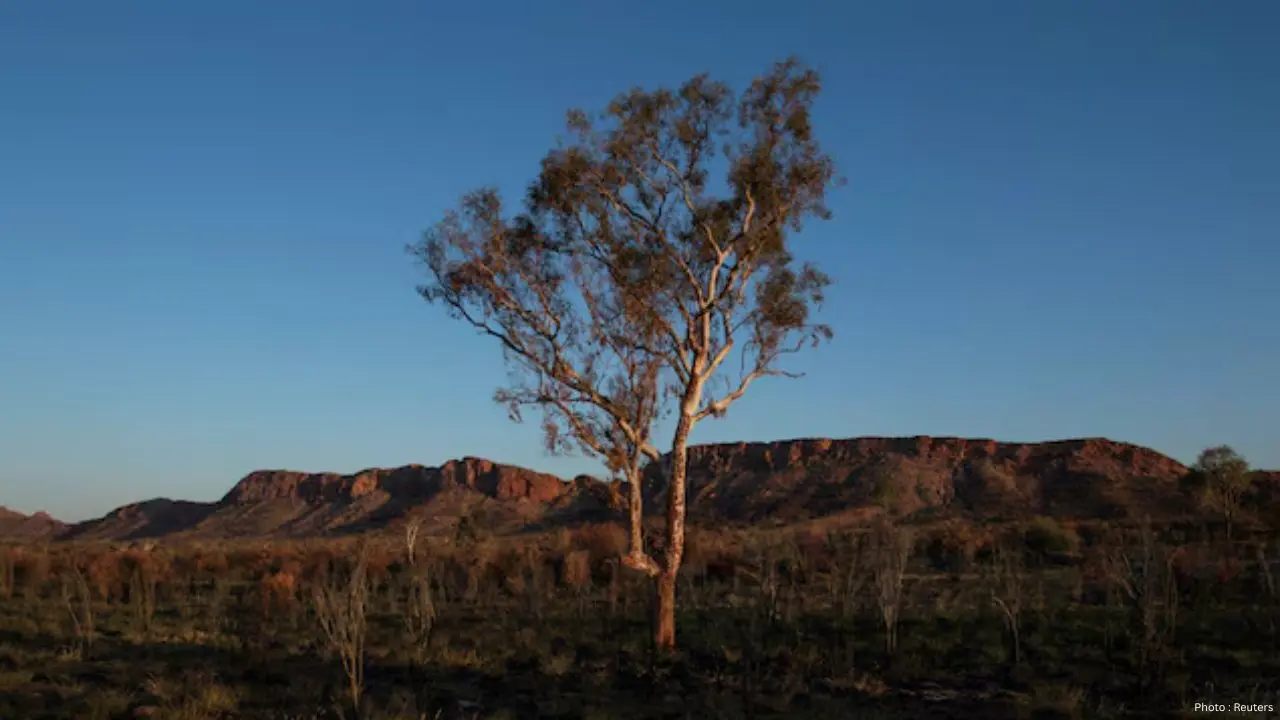
For farmers across central Alberta, the timing of the snowfall comes with mixed reactions. While snow during spring can delay fieldwork and seeding, many farmers say the added moisture is beneficial after previous years of dry conditions. Improved soil moisture levels are seen as a positive sign for the upcoming growing season.
Local farmer Ken Farion, who has been farming near Vegreville for decades, said this year’s conditions are already better compared to last year. He explained that consistent smaller snowfalls throughout the winter have helped maintain soil moisture and prevent soil erosion caused by strong winds.
Farmers also noted that the additional moisture is important not only for crops like wheat, canola and oats, but also for livestock. Water sources such as dugouts and ponds, which were previously dry, are expected to refill with the recent precipitation, providing better conditions for grazing animals.
Despite the short-term inconvenience, many producers remain optimistic. As long as fields dry out in time for the planting season, typically around early May, they believe the snow will ultimately support stronger crop growth.
The situation highlights the delicate balance farmers face between too much and too little moisture. While excessive snow or rain can delay operations, insufficient precipitation can harm yields. For now, many in Alberta’s agricultural sector are welcoming the improved conditions as a step toward a more stable and productive season.