Two women from Kelowna, British Columbia, have shared their experience of life in Cuba during a humanitarian mission, describing a country facing serious daily challenges. Leanne Isaak and Elise Hjalmarson travelled to Cuba carrying 14 suitcases filled with essential supplies, including medicines, solar equipment, vitamins, and hygiene products.
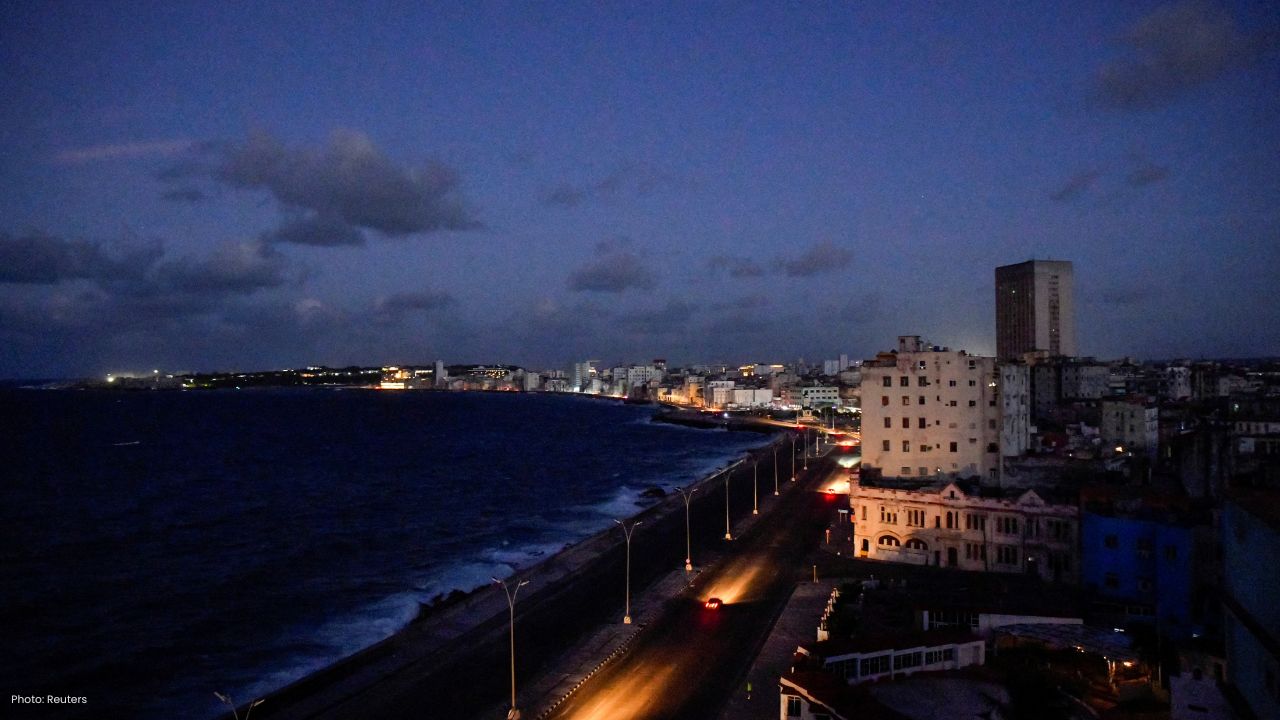
According to them, one of the biggest struggles for people in Cuba right now is the constant power outages. Electricity is so limited that many residents say it is easier to count the hours when power is available rather than when it is not. When electricity does return, families rush to complete important tasks such as cooking food, charging phones, storing water, and taking showers before the power cuts again.
The situation has become so common that locals have created a phrase to describe it. Instead of calling them blackouts, many people say they experience “lights-on” moments, because electricity is available only for short periods. This shows how deeply the crisis has affected everyday life.
The two women arrived in Havana and immediately experienced the situation themselves. There were power outages at the airport and later at their accommodation. They even had to carry heavy luggage up several flights of stairs because elevators stopped working during electricity cuts. These repeated disruptions gave them a clear picture of how difficult daily life has become for local residents.
Their mission involves working with local Cuban groups to distribute the supplies they brought. They also plan to use donated funds to purchase basic food items such as rice and beans, which will be distributed to people in need. The supplies are intended for hospitals, women’s centres, and other community support locations.
Life in Cuba has been getting worse due to ongoing energy shortages. The country is struggling to produce enough electricity, which has led to frequent blackouts across the island. As a result, hospitals have been forced to cancel surgeries, schools and universities have reduced activities, and many families are unable to properly store food due to lack of refrigeration.
Despite these challenges, the women observed the strong spirit of the Cuban people. Even during blackouts late at night, people gather outside, play games like dominoes, listen to music, and dance together. This sense of community helps them cope with the difficult situation.
However, the emotional impact of the crisis is clear. Many people are feeling tired, stressed, and uncertain about the future. Some describe their daily life as simply “surviving” rather than living normally.
The two visitors said that while their own challenges during the trip are small, the situation for locals is much more serious. They added that distributing aid across the country will not be easy, but they remain committed to helping as much as possible.
Their experience highlights both the hardships faced by people in Cuba and the importance of humanitarian support during ongoing crises.