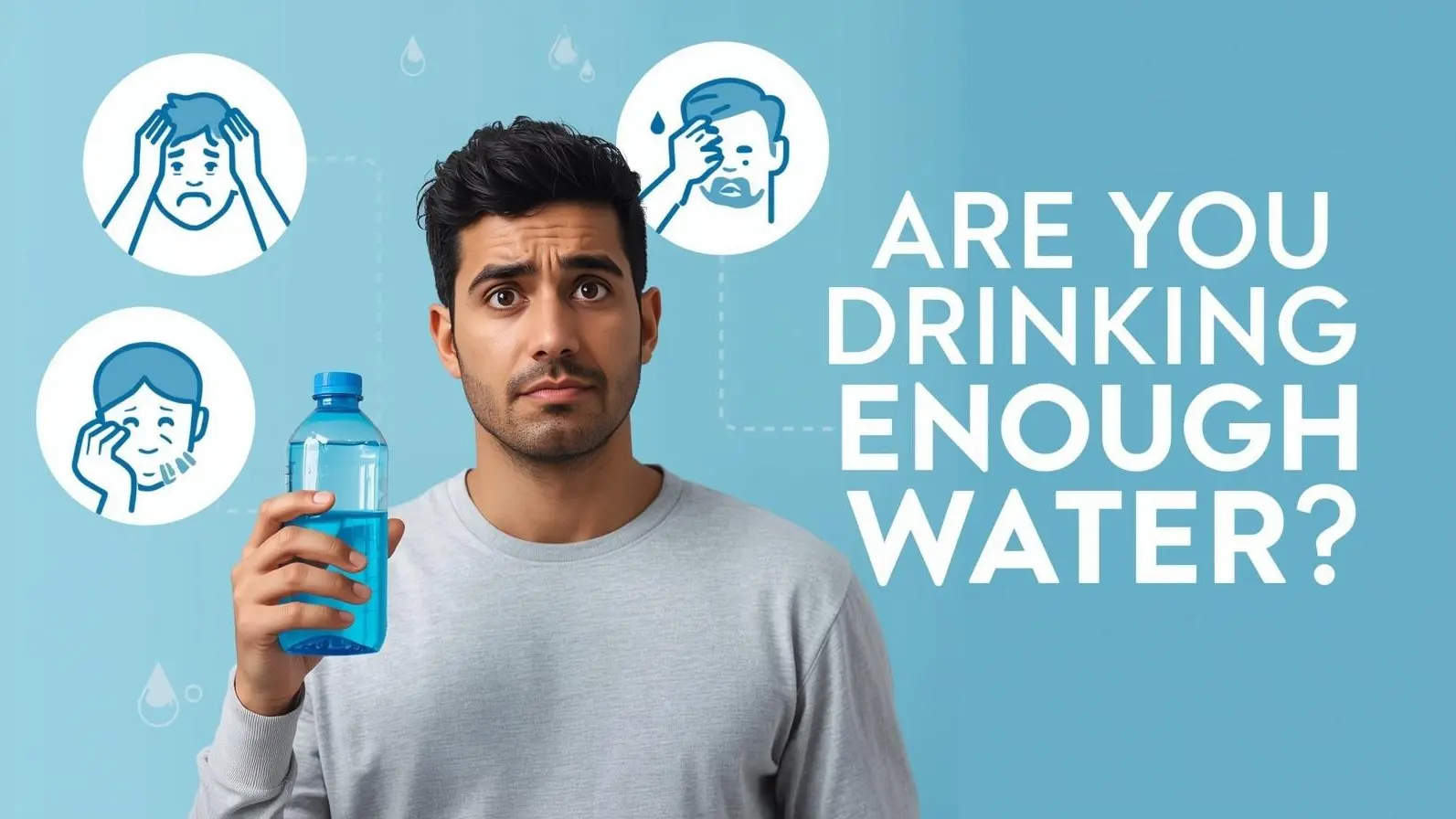
5 Indicators You’re Not Hydrated Enough
Water is vital for countless bodily functions, from cooling the body to aiding digestion and contributing to cognitive performance. Many individuals, however, move through their daily routines unaware of their mild dehydration. Often, dehydration doesn't manifest as overt thirst but instead presents subtle warning signs that can easily be overlooked.
Awareness of these indicators can empower you to take proactive measures and prevent more significant health issues.
1. Persistent Tiredness and Low Energy
Experiencing fatigue despite adequate sleep? Dehydration might be the underlying factor.
When hydration levels drop:
- Blood circulation can diminish
- Oxygen supply to cells may decrease
- Energy production could be impacted
This often results in ongoing fatigue, reduced motivation, and diminished focus. Even slight dehydration can render routine tasks more challenging.
2. Regular Headaches and Lightheadedness
Headaches frequently signal insufficient water intake.
Dehydration can lead to:
- Lower levels of fluid around the brain
- Temporary shrinkage of brain cells
- Increased pressure in the cranial area
This may result in headaches, migraines, or feelings of dizziness. If you find relief from headaches after drinking water, dehydration is probably the issue.
3. Parched Skin and Lips
Your skin is a reflection of your hydration status.
During dehydration:
- Skin can lose natural moisture
- Lips may crack and feel dry
- You might notice a lackluster appearance
Although topical products can provide temporary relief, true hydration comes from within. Consuming adequate water promotes healthy, radiant skin.
4. Darker Urine and Infrequent Bathroom Breaks
Your urine color is a straightforward way to gauge your hydration level.
- Clear or light yellow → Well hydrated
- Dark yellow → Dehydrated
If water intake is low, your body tends to retain fluids, which can result in:
- Darker urine
- Stronger odor
- Less frequent urination
This serves as a clear indicator that you need to increase your fluid intake.
5. Trouble Concentrating and Shifts in Mood
Your cognitive function relies on proper hydration.
When failing to consume enough water:
- Brain performance can decline
- Concentration may falter
- Emotions might shift towards irritability or anxiety
Even minor dehydration can impact memory, attention, and overall mental sharpness, making it difficult to maintain productivity.
The Importance of Staying Hydrated
Water is crucial for:
- Regulating body temperature
- Facilitating digestion
- Eliminating toxins
- Ensuring joints are well-lubricated
Long-term dehydration can lead to serious health problems, including kidney stones and other complications.
How Much Water Do You Need?
There’s no one-size-fits-all answer; however, general recommendations suggest:
- About 2–3 liters daily for most adults
- Increased intake if you are physically active or reside in hot climates
Your water needs may vary depending on lifestyle, diet, and environmental factors.
Practical Tips for Daily Hydration
- Initiate your day with a glass of water
- Keep a water bottle handy
- Incorporate water-rich foods into your diet, like fruits and veggies
- Set reminders if you often forget to hydrate
- Swap sugary beverages for healthier options
Adopting small habits can significantly enhance your hydration levels.
Neglecting water intake can silently impact your energy, concentration, skin health, and overall well-being. Although these signs may seem minor initially, they indicate your body's need for hydration.
By staying attentive to these cues and maintaining a consistent water intake, you can enhance your physical and mental performance daily.
Disclaimer
This article is intended for informational use only and does not substitute professional medical advice. Individual hydration requirements can vary.