Discovering the Essence of Emirati Cuisine
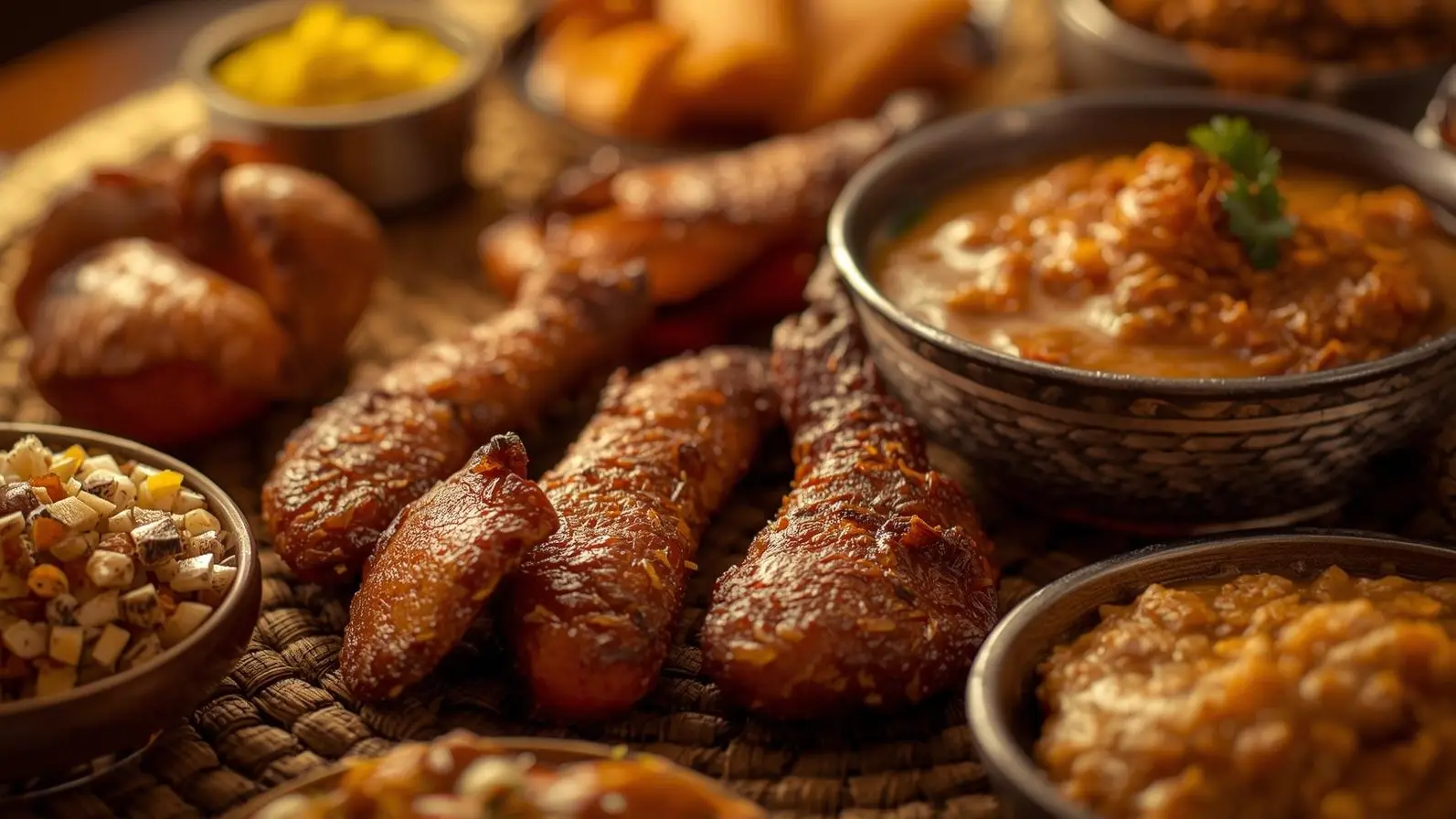
Emirati cuisine is a vibrant reflection of the UAE’s heritage, shaped by its nomadic roots, coastal geography, and Bedouin influences. Historically, the use of available ingredients was crucial, relying on dates, rice, meat, fish, and aromatic spices. Characterized by slow cooking and communal dining, traditional Emirati food offers rich flavors without an emphasis on spice. Sampling local dishes is an intimate way to connect with Emirati customs and values.
Embarking on a Culinary Adventure
As visitors to the UAE often indulge in diverse international dining options, the traditional Emirati fare frequently remains overlooked. These authentic meals convey tales of desert survival, deep maritime traditions, and communal gatherings. From rice-laden meat dishes to sweets infused with dates and saffron, the cuisine brings warmth and richness deeply rooted in cultural heritage. This article introduces you to must-try dishes while visiting the UAE, shedding light on their ingredients, cultural significance, and their enduring role in daily life.
Al Harees
A traditional and cherished Emirati dish.
What it is
A wholesome dish prepared with wheat and meat (often chicken or lamb), slowly cooked to achieve a porridge-like texture.
Why it’s special
• A symbol of community and sharing
• Often made for Ramadan and celebrations
• Requires patience during lengthy cooking hours
Flavor profile
Mild, creamy, and soothing, lightly seasoned with salt, butter, or ghee.
Cultural significance
Al Harees signifies tradition and togetherness, often prepared overnight for communal feasts.
Machboos
This is a quintessential staple within Emirati households.
What it is
A spiced rice dish that includes meat, chicken, or fish, zested with dried lime and spices.
Key ingredients
• Basmati rice
• Dried lime (loomi)
• Tomatoes and onions
• Choice of meat or seafood
Why it’s popular
It delights with its rich yet not overpowering flavor, appealing to diverse taste buds.
Occasions
Frequently enjoyed at family lunches, festivals, and gatherings.
Al Majboos with Fish
With the UAE's sprawling coastline, seafood is vital to local gastronomy.
What makes it special
This fish variant employs fresh local fish and more subtle spices compared to meat dishes.
Taste experience
• Zesty notes from dried lime
• Mild spice fusion
• Fresh, fragrant rice
Best time to enjoy
Found commonly in coast towns and local eateries at lunchtime.
Thareed
This dish resonates deeply with Emirati traditions.
What it is
A savory stew of meat and vegetables served over thin Emirati bread.
Significance
• One of the Prophet’s favored dishes
• A staple during Ramadan
• Served in a family-oriented style
Key components
• Lamb or chicken
• Root vegetables
• Tomato-based broth
Taste and texture
A hearty combination of stew and bread brings comfort in every bite.
Luqaimat
These delectable bites are widely loved across the nation.
What they are
Tiny deep-fried dough balls, crispy on the outside and fluffy within, drizzled in date syrup.
Popularity factors
• Light yet satisfying
• A festive favorite, especially during Ramadan
• Appeals to all ages
Flavor notes
Sweet, tender, with fragrant hints of saffron and cardamom.
Balaleet
An intriguing sweet and savory breakfast delight.
Details
Sweetened vermicelli cooked with sugar, saffron, and rose water, finished with a delicate omelette.
What makes it distinct
The harmony of sweet noodles and savory eggs creates a unique, satisfying meal.
When to enjoy it
Typically savored for breakfast or during special occasions.
Madrooba
A less familiar yet cherished Emirati comfort dish.
What it is
A rich and creamy preparation made with salted fish or chicken and flour.
Taste notes
• Creamy texture
• Mildly salty
• Understated spice
Local love
Favorites during colder months, it’s nourishing and filling.
Regag Bread
A hallmark of Emirati bread tradition.
Uniqueness
• Thin, paper-like texture
• Cooked on a hot metal surface
• Best served fresh
How it's enjoyed
• Paired with honey or cheese
• Great alongside savory meals
• Can be stuffed or rolled
This bread exemplifies the simplicity of Emirati culinary practices.
Chebab
A delightful Emirati pancake variation.
What it is
Soft pancakes enriched with notes of saffron and cardamom.
Common accompaniments
• Served with date syrup
• Paired with cheese
• Enjoyed as breakfast or a snack
Why it's favored
Light, aromatic, and easily enjoyed by newcomers.
Dates and Emirati Coffee (Gahwa)
The heart of Emirati hospitality embodies dates and coffee.
About Gahwa
A light Arabic coffee seasoned with cardamom and occasionally saffron.
Cultural importance
• Marks the welcome of guests
• A token of generosity
• Usually enjoyed alongside dates
Drinking gahwa is more than just having coffee; it’s an immersion into cultural tradition.
Jasheed
A traditional dish rooted in Bedouin life.
What it is
Shredded meat harmonized with spices and flour.
Why it’s significant
• A sustaining meal
• Traditionally savored in harsh desert locales
Flavor and texture
Soft, hearty, and mildly spiced.
Beyond Luqaimat: More Emirati Desserts
Emirati sweets are typically based on dates and are less sugary.
Popular treats
• Khabeesa
• Batheetha
• Khanfaroosh
What sets them apart
They prioritize natural sweetness from dates, keeping desserts enjoyable but not overly sweet.
Years of Tradition Served at the Table
Participating in traditional Emirati meals is a communal experience.
Cultural customs
• Sharing from large platters
• A focus on hospitality
• Honor to guests and elders
Embracing these practices enhances the overall dining experience.
Adapting Tradition to Modern Tastes
Modern restaurants may elevate Emirati dishes, yet their original flavors remain intact. This synergy keeps traditions alive for future visitors and locals alike.
Why Exploring Emirati Cuisine Is Essential
Emirati food offers profound insights into the UAE’s values of patience, generosity, and community. Each dish serves as a representation of the nation’s history and evolution.
A Final Word
To truly experience the UAE, diving into traditional Emirati dishes is essential. From hearty offerings like al harees and machboos to sweet delights such as luqaimat and date-infused confections, the essence of Emirati cuisine is deeply intertwined with its rich heritage and hospitality. Enjoying these culinary treasures allows visitors to embrace and appreciate the culture that has nurtured generations before them. A trip to the UAE is incomplete without indulging in its exquisite traditional dishes.
Disclaimer
This piece serves purely as a guide. Availability of traditional meals may vary based on location and season. Recipes and preparation may exhibit regional variations.