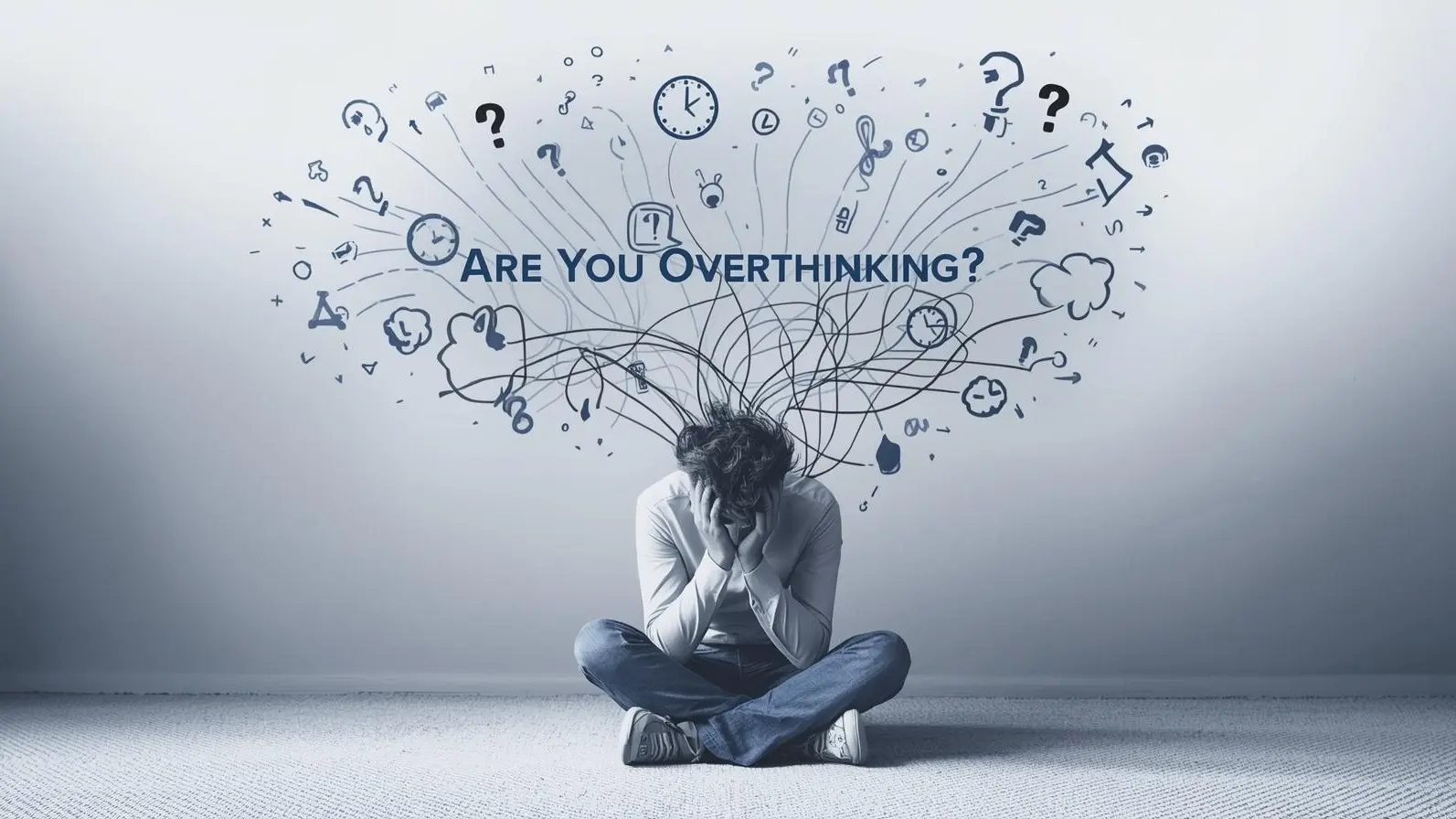
Overthinking often creeps in silently, beginning with a single extra thought or an unnecessary “what if.” Initially, it can feel like diligence, but this behavior gradually transforms into a hindrance, influencing your daily choices, mental clarity, and overall serenity.
While many may not realize they are overanalyzing, they often consider it merely an attempt to make the “best choice.” However, this pattern leads to confusion rather than assistance. As your mind fills up with unfounded doubts, even the simplest of decisions can grow burdensome.
In simple terms, overthinking means excessive deliberation about a matter. Rather than making swift choices, your mind becomes trapped in cycles of doubt.
The repercussions of overthinking significantly affect your daily decision-making. Even trivial choices can begin to feel overwhelming.
- Struggling to select an outfit
- Taking ages deciding on meals
- Hesitating to respond to simple messages
Your thoughts race with worries like:
- “What if I make the wrong choice?”
- “How will it appear to others?”
This relentless mental cycle discourages action, draining your time and energy.
Effects on Self-Confidence
Overthinking not only impacts decisions but also shapes your self-perception.
Continuous second-guessing can dilute your self-confidence, leading you to rely on external approval rather than trusting yourself.
In the long run, this results in:
- Apprehension about making choices
- Decreased confidence
- A constant desire for reassurance
Instead of feeling empowered, you may experience uncertainty.
Overthinking and Stress Connection
This incessant mental activity keeps your mind engaged even in the absence of real stressors, resulting in elevated stress and anxiety.
Symptoms may include:
- Restlessness
- Difficulties in relaxation
- Insomnia
Your brain needs downtime to heal, which is crucial for both mental and physical well-being.
Impacts on Routine and Productivity
Overthinking extends beyond thoughts—its repercussions manifest in actions as well.
You might notice yourself:
- Postponing important tasks
- Avoiding decisions outright
- Feeling drained despite minimal activity
This cycle diminishes your productivity and may amplify stress where it is uncalled for.
Imagining the Worst
One prevalent tendency in overthinking is the inclination to anticipate dire outcomes.
Your mind may entertain fears like:
- “What if all goes wrong?”
- “What if I do not succeed?”
These fears can feel genuine, though they are often implausible. Such thinking heightens anxiety and hinders your willingness to act.
Relation to Personal Connections
Overthinking negatively impacts not just individuals but also their relationships.
Your tendency to:
- Overanalyze dialogues
- Misinterpret minor gestures
- Worry excessively about perceptions
may generate misunderstandings and emotional chasms.
Understanding the Habit of Overthinking
This behavior generally begins as a mechanism to safeguard against mistakes, creating a false sense of control. However, it quickly morphs into an ingrained reflex.
Your mind gets accustomed to:
- Endlessly analyzing
- Questioning every decision
- Evading risks
This cycle is challenging to dismantle without awareness.
Effective Strategies to Mitigate Overthinking
Establish a limit on your thinking
Allot yourself a specific timeframe to contemplate a decision, and afterward, proceed with action.
Prioritize action over flawlessness
Understand that not every choice needs to be ideal; taking action typically holds greater significance than analysis.
Trust your intuition
Your first instinct is usually the most intuitive and accurate. Practice relying on it.
Stay anchored in the present
Avoid dwelling on past incidents or worrying about the future. Concentrate on what can be accomplished in this moment.
Keep yourself engaged
Remaining busy with fulfilling tasks mitigates unnecessary ruminations.
Clear Thinking for an Improved Life
Although overthinking may seem benign, its effects can accumulate over time. It gradually erodes your confidence, time, and tranquility.
Ultimately, the aim is not the cessation of thoughts but ensuring clarity in your thinking. By minimizing unneeded ruminations and focusing on action, your decision-making skills can flourish, confidence can elevate, and life can feel much more manageable.
Often, the finest decisions are not necessarily the flawless ones, but rather those taken without excessive contemplation.
Disclaimer
This article serves informational and educational aims solely, addressing general overthinking tendencies, mental health, and decision-making practices. It should not replace professional psychological or medical guidance. Personal experiences with overthinking, stress, or anxiety may differ. For serious mental health issues, consulting a skilled mental health practitioner is advised.