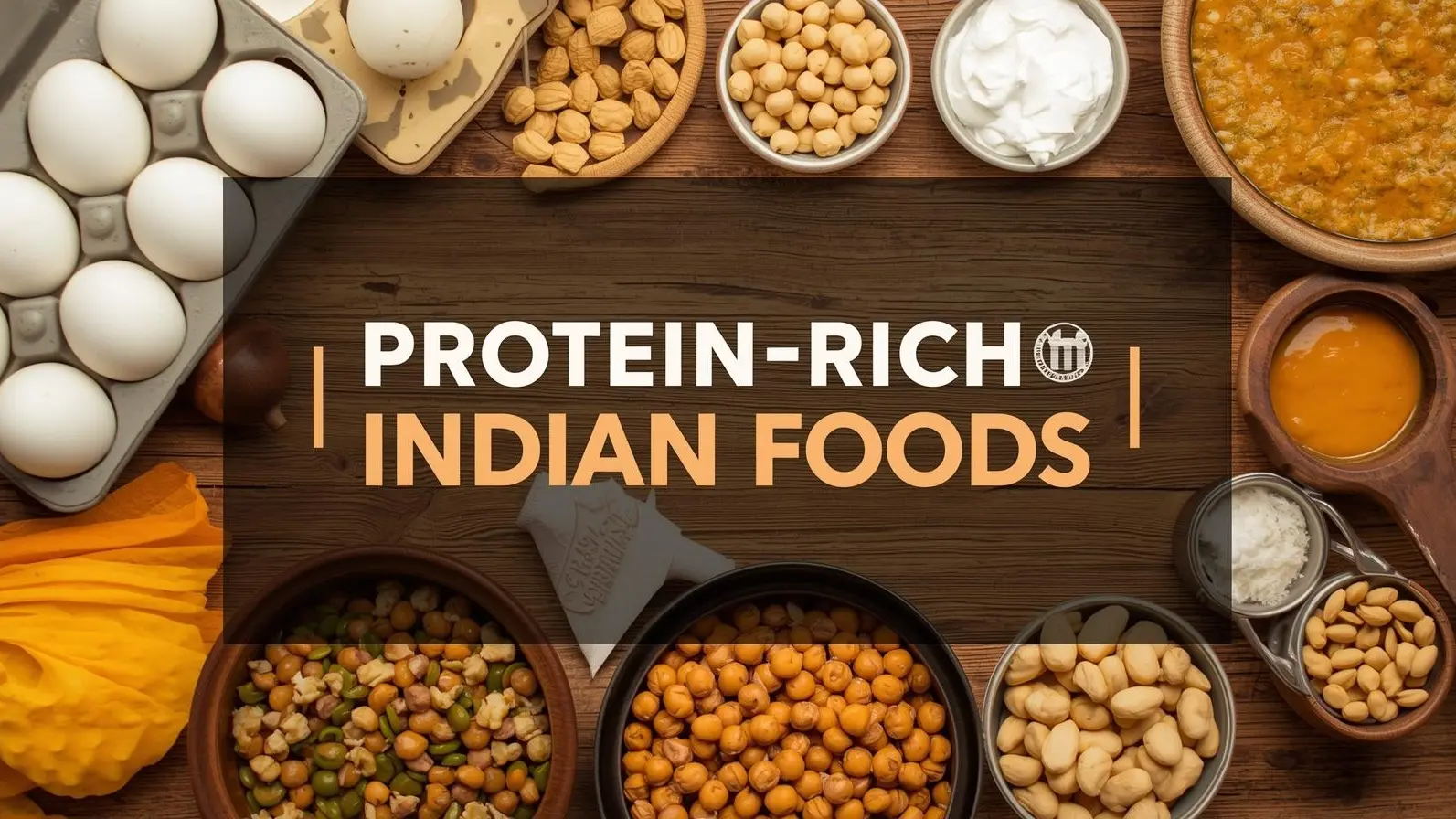
The Importance of Protein-Rich Indian Foods
In conversations about health, fitness, and muscle development, the term protein is crucial. This macronutrient is vital for muscle repair, immune function, and satiety. Despite this, many individuals in India face challenges in meeting their daily protein requirements, mistakenly thinking that protein is only available through costly supplements.
However, the truth is that your kitchen is likely filled with affordable, natural protein sources that are easy to prepare and enhance a nutritious Indian mealplan. You don't have to rely on expensive powders or imported items—simply enhance your meals with a few strategic choices.
This article will introduce you to 7 Indian foods rich in protein that can seamlessly fit into your everyday routine for a high-protein diet without the need for supplements.
1. Eggs – A Complete Protein Solution
Eggs are labeled as a complete protein source, containing all essential amino acids your body needs. Each egg provides approximately 6 grams of high-quality protein along with beneficial vitamins and fats.
What makes eggs even more appealing is their versatility; you can have them boiled, scrambled, or in an omelette format. They're quick to whip up and make an excellent choice for a protein-rich breakfast.
For those looking to naturally elevate their protein intake, consuming 2–4 eggs daily can be quite impactful. They also help control appetite, aiding in weight management.
2. Paneer – The Protein King for Vegetarians
Packed with protein, paneer (cottage cheese) is a go-to for vegetarians. Not only is it satisfying, but it's also simple to incorporate into various recipes.
While providing protein, paneer also offers calcium, essential for strong bones. From sabzi to paneer bhurji to salads, it fits into a high-protein vegetarian diet seamlessly.
Moreover, paneer digests slowly, ensuring prolonged satiety and consistent energy levels throughout your day.
3. Dal (Lentils) – The Staple of Indian Protein
No traditional Indian meal is complete without dal, serving as an essential plant-based protein source.
Various types of dal provide diverse nutritional benefits:
- Moong dal (light and easily digestible)
- Masoor dal (nutrient-dense)
- Toor dal (a common dinner staple)
Combining dal with rice or roti creates a more complete protein profile, a time-honored practice in Indian diets for maintaining nutritional balance.
Integrating dal into your daily meals can significantly enhance your protein intake without supplements.
4. Chickpeas (Chana) – A Nutritious Protein Powerhouse
Chickpeas are delicious and brimming with nutrients, offering significant levels of protein, fiber, and essential minerals.
You can enjoy chickpeas in numerous ways:
- Boiled chana as a light snack
- Chole curry served with roti or rice
- Chana salad for a healthy choice
Rich in fiber, chickpeas promote healthy digestion and prolonged fullness, making them a go-to for anyone pursuing healthy weight management while obtaining sufficient protein.
5. Soya Chunks – An Underappreciated Protein Gem
For those seeking a budget-friendly protein source, soya chunks are an ideal option.
These chunks boast a higher protein content compared to many vegetarian alternatives, yet they are underutilized in many diets.
Soya chunks can be used in curries, pulao, or snacks. They take on flavors beautifully and can easily fit into your culinary habits.
If you're focused on building a high-protein diet economically, ensuring soya chunks feature in your pantry is essential.
6. Curd (Dahi) – Nutritious and Refreshing
Though a common staple in many Indian homes, the protein content of curd is often underestimated.
Curd offers not only protein but also supports gut health thanks to its probiotic qualities. A healthy gut enhances digestion and nutrient absorption.
Incorporate curd into your meals through:
- Plain dahi with meals
- Vegetable raita
- Smoothies or lassi
Daily consumption of curd is a simple strategy for increasing your overall protein intake and health.
7. Peanuts – A Mini Snack, Major Protein Source
Often dismissed as just a simple snack, peanuts are an excellent source of protein and healthy fats.
Inexpensive, widely available, and versatile, peanuts can be enjoyed in various forms:
- Roasted peanuts
- Peanut chaat
- Peanut butter
Peanuts make for a great mid-day snack, replacing unhealthy options like chips or biscuits while contributing to a high-protein Indian diet.
Creating a High-Protein Daily Meal Plan
Understanding what to eat is just the beginning; applying that knowledge effectively is key.
Here’s a sample of a high-protein meal plan you can follow:
- Breakfast: Eggs or paneer paired with roti
- Lunch: Dal with rice and curd
- Snack: Peanuts or chana
- Dinner: Soya chunk curry or paneer sabzi
Distributing protein intake throughout meals ensures better absorption and sustained energy levels during the day.
Common Mistakes in Protein Intake
Even those striving for a healthy diet may inadvertently overlook adequate protein intake due to common missteps:
- Excessive carbs with minimal protein
- Neglecting protein at breakfast
- Limiting to a single protein source
- Ignoring appropriate portion sizes
Avoiding these pitfalls can help you maintain an effective daily protein balance.
Simplicity and Consistency are Key
To meet your protein needs, there's no requirement for high-priced supplements or complex diets. Everyday food items like eggs, paneer, dal, chickpeas, and peanuts can form the basis of a robust and healthy lifestyle.
Consistency is crucial; small incremental changes to your daily eating habits can yield significant long-term benefits. Prioritize adding protein to each meal, and your body will respond with enhanced vitality, strength, and overall health.
Disclaimer
This article serves purely educational purposes and is not a substitute for formal medical or nutritional guidance. Individual protein needs can differ based on various factors, including age, activity level, and health conditions. Consulting with a qualified healthcare or nutrition expert is advisable before making major dietary changes.