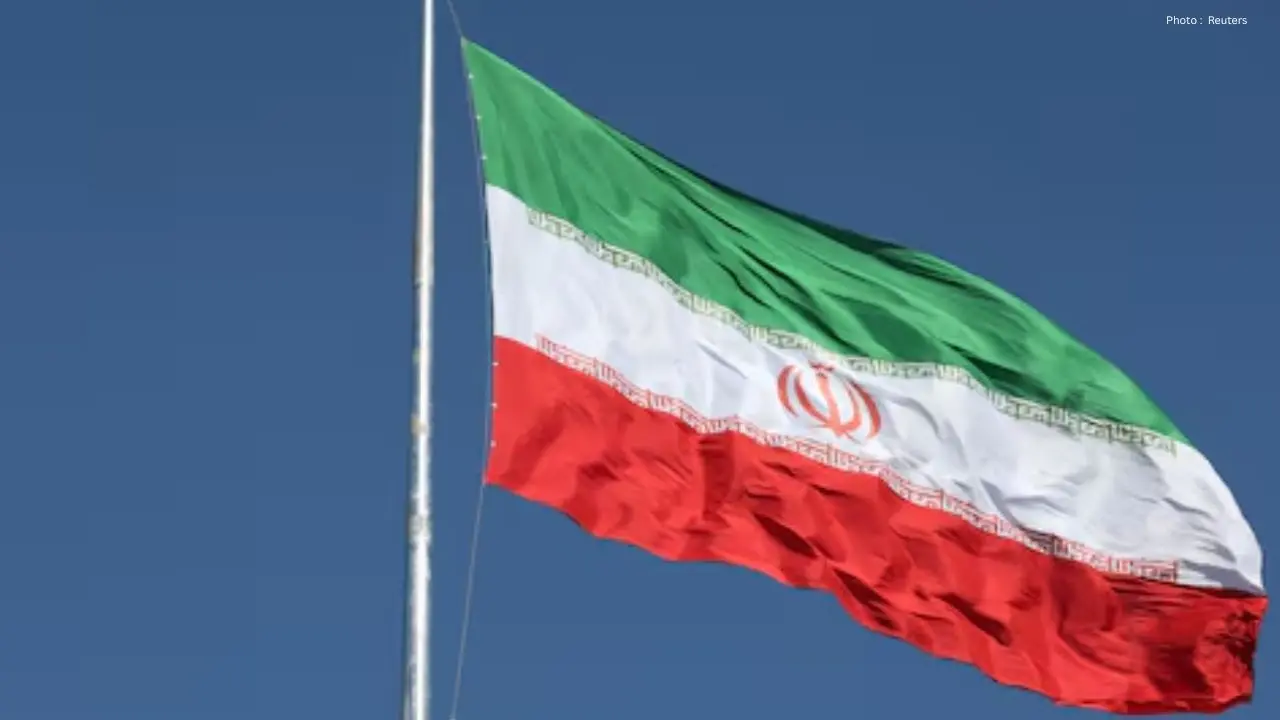
Tensions in the Middle East have increased sharply after Donald Trump issued a strict deadline to Iran, while Tehran rejected a new ceasefire proposal and demanded a complete end to the ongoing war. The situation has raised global concerns about a possible escalation, especially as key oil routes and regional stability remain under threat.
Iran made it clear that it will not accept a temporary ceasefire. Instead, officials said they want a permanent end to the conflict along with strong guarantees that the country will not face further attacks. A senior Iranian diplomat stated that stopping the war fully is the only acceptable solution, rejecting what they described as short-term or incomplete agreements.
The proposal for a ceasefire reportedly included a 45-day pause in fighting and steps to reopen the Strait of Hormuz, one of the most important oil shipping routes in the world. However, Iran has linked reopening the strait to broader conditions, including security guarantees and compensation for damages caused during the conflict. The disruption in this route has already caused oil prices to rise and created instability in global markets.
At the same time, military tensions continue to grow. Airstrikes and attacks have been reported in different parts of Iran, including key energy facilities. A major strike targeted the South Pars gas field, which is a critical source of energy and revenue for Iran. In response, Iranian forces have continued launching missiles and drones toward regional targets, including areas in Israel and Gulf countries.
Israel has also intensified its military actions, targeting important Iranian sites and senior officials. Reports indicate that high-ranking members of Iran’s Revolutionary Guard were killed in recent strikes. Meanwhile, explosions and air defense activity have been reported in Tehran, with residents describing constant sounds of conflict in the skies.
Efforts to find a diplomatic solution are still ongoing. Countries like Pakistan, Oman, and Egypt are acting as mediators, trying to bring both sides to the negotiating table. However, Iranian officials have said that meaningful talks cannot happen under pressure, threats, or deadlines.
As the deadline set by Donald Trump approaches, the risk of further escalation remains high. Experts warn that if no agreement is reached, attacks on major infrastructure like bridges and power plants could increase, leading to wider regional conflict and deeper economic impact worldwide.