Photo:reuters
A Chaotic Trade Strategy Defined by Highs and Pauses
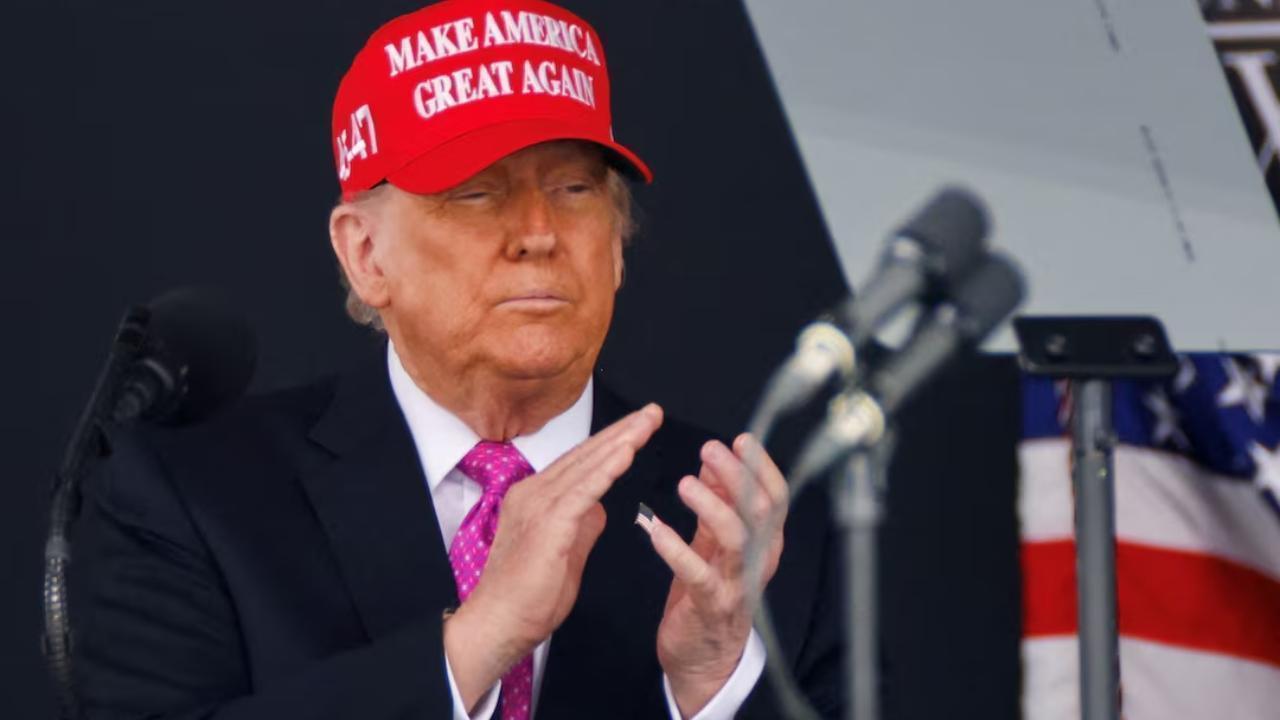
Since early 2025, U.S. President Donald Trump has overseen one of the most unpredictable trade spans in modern history. Following his second term inauguration, Trump launched sweeping tariffs—against Canada, Mexico, China, and beyond—mixing aggressive macroeconomic pressure with sudden pauses and targeted deals. His stated goal: revive U.S. manufacturing, shift supply chains homeward, and reduce trade deficits. The result? Market upheaval, global diplomatic friction, and a policy landscape defined by volatility.
February: The Shock of Universal Tariffs
The trade storm erupted in early February. On February 1, Trump issued executive orders—using emergency powers—to impose flat 25% tariffs on imports from Canada and Mexico and 10% on Chinese goods. He justified the move by linking it to fentanyl trafficking and immigration concerns. This sweeping action triggered immediate backlash. Stock markets dropped sharply, investor sentiment plummeted, and economists warned of inflationary risks and stalled investment.
Yet within days, Trump paused tariffs on Canada and Mexico, signaling a willingness to negotiate under pressure. This first reprieve embodied his trademark negotiating style: hardline threats followed by rapid reversals—forcing global leaders into haste and caution.
March: Complexity Multiplies with Automotive and Fentanyl Tariffs
By early March, the strategy deepened. Trump announced car and light-truck tariffs, enforcing 25% duties under Section 232. He also doubled fentanyl-related levies, escalating pressure on China. However, strategic pauses reappeared: exemptions for North American auto imports and "de minimis" shipments from China provided breathing room for businesses amid uncertainty.
These mixed signals—tariffs imposed, then promptly suspended or scaled back—signaled a chaotic policy landscape. Global corporations were left in limbo: unable to plan production or pricing effectively, and fearful of sudden policy reversals.
April: Global Tariff Expansion—and Market Shock
In early April, Trump broadened the scope with a 10% umbrella tariff on nearly all U.S. imports. But after markets plunged—erasing trillions in global equity value—he again paused country-specific tariffs less than a day later. The 90-day truce was designed to push countries toward negotiation, yet retention of the base tariff maintained uncertainty.
During this month, steep tariffs on Chinese goods briefly reached a staggering 145% before the truce. Subsequent carve-outs reduced them to 30%, spotlighting the administration’s use of tariff leverage to reshape trade relationships.
May 2025: Truce with China, Deals with Allies
On May 12, signs of a softer approach appeared. The U.S. and China agreed to reduce reciprocal tariffs: U.S. rates fell from 145% to 30%, and China's from 125% to 10%. The pause provided a temporary relief valve, reinforcing the “Trump Always Chickens Out”—TACO—meme, highlighting his tendency to reverse course under pressure.
A parallel deal with the UK cemented a 10% tariff baseline while expanding tariff-free agriculture and reducing duties on UK-built cars. These specific agreements contrasted with the ongoing threat directed at Japan, South Korea, and others, keeping markets in a tension-filled pause.
Market Reaction: Volatility, Metals, and Safe-Haven Flows
Markets have experienced frequent turbulence. April’s announcements erased nearly $6 trillion in global equity market value, rattling risk sentiment.
Commodity markets shifted in unpredictable ways. Metal prices and trade volumes fluctuated—metals like copper and tin saw increased activity on exchanges, driven by tariff arbitrage. Gold prices maintained structural support as investors sought safety amid ongoing trade uncertainty.
The LME benefited from sharply increased volumes—its highest since 2014—while copper futures fell. Metal traders capitalized on supply chain confusion and tariff arbitrage, amplifying volatility.
Equity Markets: No “V-Shaped” Recovery
Following the initial April shocks, markets rebounded as truce talks progressed. Still, equity markets remain jittery—priced higher than fundamentals warrant. The looming August 1 deadline for implementing further tariffs adds a layer of anxiety. Investors face a cycle: threat → panic → pause → fragility.
Business Headaches: Strategic Disorder
CEOs and investors describe a disorienting atmosphere. Tech exporters—especially semiconductor firms—warn their near- and midterm planning is near futile. Major auto producers scramble to reconfigure supply chains across North America.
The story of de minimis goods—small shipments previously exempt from tariffs—symbolizes broader disruption. Closing or reopening this exemption has reshaped warehouse strategy, shipping logistics, and pricing calculations for e‑commerce players overnight.
Washington’s Power Struggle: Courts Limit Authority
The administration’s use of emergency powers is now under legal challenge. A federal trade court has ruled that certain tariffs exceeded executive authority, and the administration has appealed. Legal uncertainty adds another twist, making policy outcomes unpredictable even beyond markets.
Global Dominoes: Retaliation and Realignment
U.S. tariffs prompted predictable retaliation: Canada matched rates on U.S. goods, Mexico prepared blasts of its own, and China raised duties on U.S. imports—including rare earths and metals. Meanwhile, the EU, Japan, and ASEAN explored joint responses, even nudging toward trade diversification away from the U.S.
Countries like Vietnam found both opportunity and risk: a chance to capitalize on firm U.S. links, but also exposure to collateral damping from looming tariffs.
The TACO Cycle: Trump Always Chickens Out
The narrative of Trump’s tariff playbook—aggressive threats followed by sudden retreats—is now widely observed. Nicknamed the “TACO trade,” investors watch his every move: threat, markets dip, he backs off, markets rally. This cycle produces volatility without resolution, prolonging market fragility while providing periodic reprieve.
Lessons and Risks Moving Forward
-
Volatility versus strategic clarity
Tariffs create headline-grabbing threats, but backlash costs are high—markets, industries, consumers all suffer.
-
Short-term pain, long-term uncertainty
Temporary pauses don’t support investment or growth. Firms hesitate, and economic momentum erodes.
-
Need for coherent trade strategy
Ad-hoc tariffs undermine the U.S.’s credibility. Lasting trust and fair trade negotiation processes are at risk.
-
Tech and supply chains at risk
Tech companies—already navigating export controls—now grapple with fractured hardware supply lines and pricing unpredictability.
-
Geopolitical fragmentation
Retaliatory tariffs and alliances against the U.S. shift global trade order toward multipolar trade regions.
A Volatile Legacy
Trump’s trade war—now entering its second year—has evolved into a relentless cycle of tariff escalations and pauses. It exerts profound pressure on markets, companies, and global alliances. Unless replaced by a clear, structured negotiation framework, the episode risks leaving behind long-term strategic damage while sowing short-term economic pain.
As markets brace for the expiration of pauses and legal verdicts, the U.S. stands at a crossroads: continue this volatile path, or seek a return to predictable, rules-based trade policy that supports growth, investment, and global stability.