The Impact of Lighting Design on Mood and Sleep Patterns
Lighting plays a crucial yet often overlooked role in our daily lives. It influences our emotional state, productivity, relaxation, and sleep quality. Long before modern studies began focusing on circadian rhythms and sleep cycles, our bodies instinctively responded to natural light cues. Today's lighting design can either support these innate rhythms or disturbe them altogether.
This article dives into how lighting design directly impacts mood and sleep quality, emphasizing the significance of artificial light and how carefully considered lighting can foster improvements in mental health, energy levels, and restorative sleep.
The Relationship Between Light and Human Physiology
Humans operate on an internal clock known as the circadian rhythm, which regulates sleep-wake cycles, hormone production, body temperature, and even digestive processes. Light acts as a principal cue for maintaining this biological clock.
When light enters the eyes, it prompts the brain to manage hormone levels, such as melatonin, which facilitates sleep, and cortisol, which keeps us alert. The timing, color, intensity, and duration of exposure to light determine which hormone is prioritized.
A poorly designed lighting environment can confuse this system, while appropriate lighting reinforces it.
The Evolution of Lighting and Its Effect on Human Behavior
Traditionally, people awoke with the sunrise and sought rest after sunset. In contrast, modern artificial lighting extends activities late into the night, disregarding our biological limits.
Some prevalent contemporary habits include:
-
Bright overhead lighting late at night
-
Constant exposure to screens
-
Using cool white LED lights in bedrooms
-
Inconsistent lighting patterns
These behaviors send conflicting signals to the brain, complicating relaxation at night and diminishing morning energy levels.
Lighting design transcends mere visibility; it’s about achieving biological harmony.
The Daily Mood Influenced by Lighting
There is a deep connection between mood and exposure to light. The type of lighting we experience can either stabilize our feelings or exacerbate stress, anxiety, and fatigue.
Morning Light for Emotional Stability
Being exposed to bright natural or cool-toned light in the morning is vital for resetting the circadian rhythm. It boosts serotonin levels, enhancing mood, focus, and drive.
Insufficient morning light can lead to:
Daytime Lighting and Enhanced Focus
Well-balanced lighting during work hours is essential for mental clarity and minimizing stress. Flickering, uneven, or overly dim lighting can lead to headaches and cognitive fatigue.
Ideal office environments include:
-
Consistent light distribution
-
Neutral to cool color temperatures
-
Minimized glare
Appropriate lighting can reduce eye strain and support sustained energy levels.
Evening Lighting to Promote Relaxation
As the day comes to a close, lighting ought to signal the body to wind down. Harsh nighttime lighting keeps the mind in an awakened state, hindering relaxation.
Warm, dim lighting can foster:
The Direct Link Between Light Quality and Sleep
Sleep quality is heavily influenced by what our brains process before bedtime. This intricate relationship relies significantly on lighting design.
Blue Light and Melatonin Suppression
Exposure to blue and cool white light can inhibit melatonin production, delaying sleep onset and affecting sleep quality.
Common disruptors of melatonin include:
Brightness and Sleep Disturbances
Not only color but also intensity matters; even warm tones can disrupt sleep if too bright.
Strong lighting in bedrooms can lead to:
Consistency for Better Sleep Patterns
Irregular lighting schedules can confuse biological clocks. Following a night under bright light with a night of darkness leads to inconsistency.
Consistent lighting cues promote:
The Psychological Effects of Color Temperature
Color temperature, measured in Kelvin, impacts how we perceive light.
Cool Light and Optimal Alertness
Cool light (5000K–6500K) mimics natural daylight, promoting alertness. It’s perfect for:
Neutral Light for Clarity
Neutral light (3500K–4500K) offers clarity without overstimulation, ideal for:
Warm Light for Relaxation
Warm light (2700K–3000K) encourages relaxation and comfort, best suited for:
The Importance of Lighting Placement
Lighting design encompasses not just the type of bulbs, but importantly, the source of the light.
Overhead Lighting Considerations
While bright overhead lights provide uniform illumination, they can be harsh during nighttime. It's advisable to avoid or adjust such lighting in sleeping areas.
Layered Lighting Techniques
Implementing layered lighting involves:
Indirect Lighting for a Soothing Effect
Indirect lighting minimizes glare and provides a calming atmosphere. Features like wall washers, floor lamps, and hidden LED strips create gentle lighting.
Mindful placement can alleviate sensory overload.
Lighting's Role in Mental Health
Long-term exposure to inadequate lighting can have lasting negative emotional implications.
Research correlates insufficient light exposure with:
-
Depressive moods
-
Heightened stress levels
-
Sleep disturbances
-
Reduced motivation
In contrast, well-designed lighting fosters emotional resilience and mental stability.
Light therapy is recognized for addressing mood-related issues, highlighting lighting's profound influence.
Artificial Light from Screens and Its Disruptive Effects on Sleep
Screens emit blue light, which directly interferes with sleep hormones.
Why Screen Light Differs
Screens possess:
Developing Smarter Screen Habits
-
Lower screen brightness at night
-
Utilize warm display settings
-
Cease screen use at least an hour prior to bedtime
Lighting design must integrate with digital behaviors.
Optimizing Bedroom Lighting Design
Bedrooms should promote rest rather than stimulation.
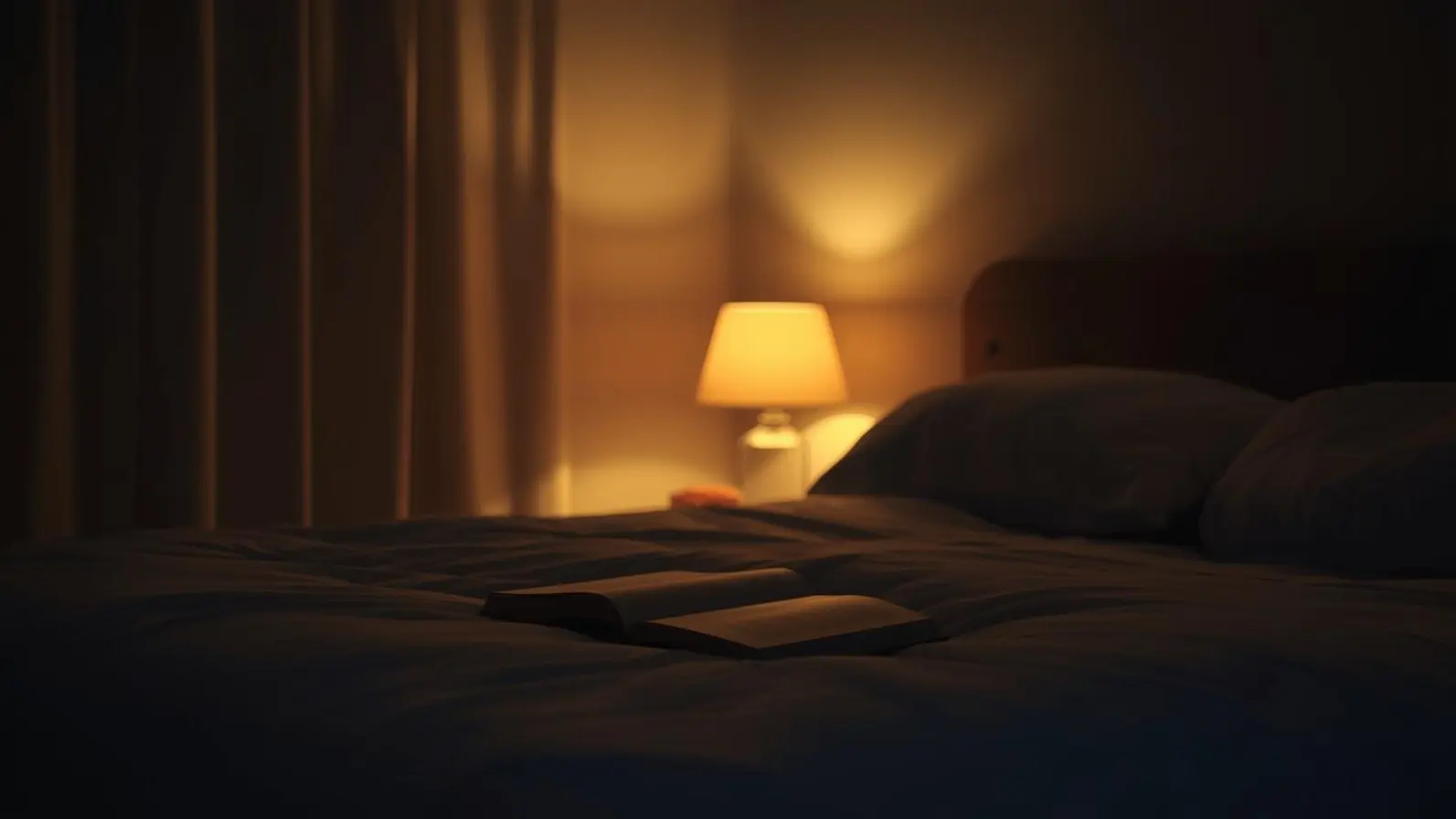
Effective lighting design in bedrooms includes:
-
Warm-toned bulbs
-
Low-intensity light fixtures
-
Bedside lamps over ceiling illumination
-
Minimal exposure to nighttime light
Well-lit bedrooms facilitate deeper and more consistent sleep.
Lighting Design for Living Areas and Workspaces
Every area serves a distinct purpose, and lighting should complement it.
Living environments thrive on adaptable lighting that transitions from bright to subdued, while workspaces require clarity without glare. Aligning lighting with the activities at hand enhances both mood and performance.
Long-Term Advantages of Enhanced Lighting Design
Tailoring lighting design is not merely an aesthetic update—it’s an investment in health.
Benefits over time include:
-
Enhanced sleep quality
-
Improved emotional regulation
-
Increased daily vitality
-
Reduced stress and fatigue
-
Boosted focus and efficiency
Minor lighting modifications can yield enduring benefits.
Minor Adjustments That Create Significant Impact
You don’t need a comprehensive redesign to enhance lighting.
Practical adjustments include:
-
Transitioning to warm light bulbs in bedrooms
-
Incorporating dimmer switches
-
Maximizing natural daylight
-
Minimizing brightness at night
-
Establishing consistent lighting routines
These modifications help synchronize the body with its natural rhythms.
The Holistic View: Light as an Everyday Signal
Lighting signals the brain on when to awaken, concentrate, unwind, and sleep. When lighting design aligns with biological needs, life feels more balanced; neglecting it often leads to fatigue and restlessness.
Lighting should assist life rather than compete against it.
Disclaimer
This article serves purely informational purposes and does not replace professional medical advice. Individual responses to light can vary widely based on health, lifestyle, and environment. For ongoing sleep or mood-related concerns, consult a qualified healthcare provider or sleep expert.