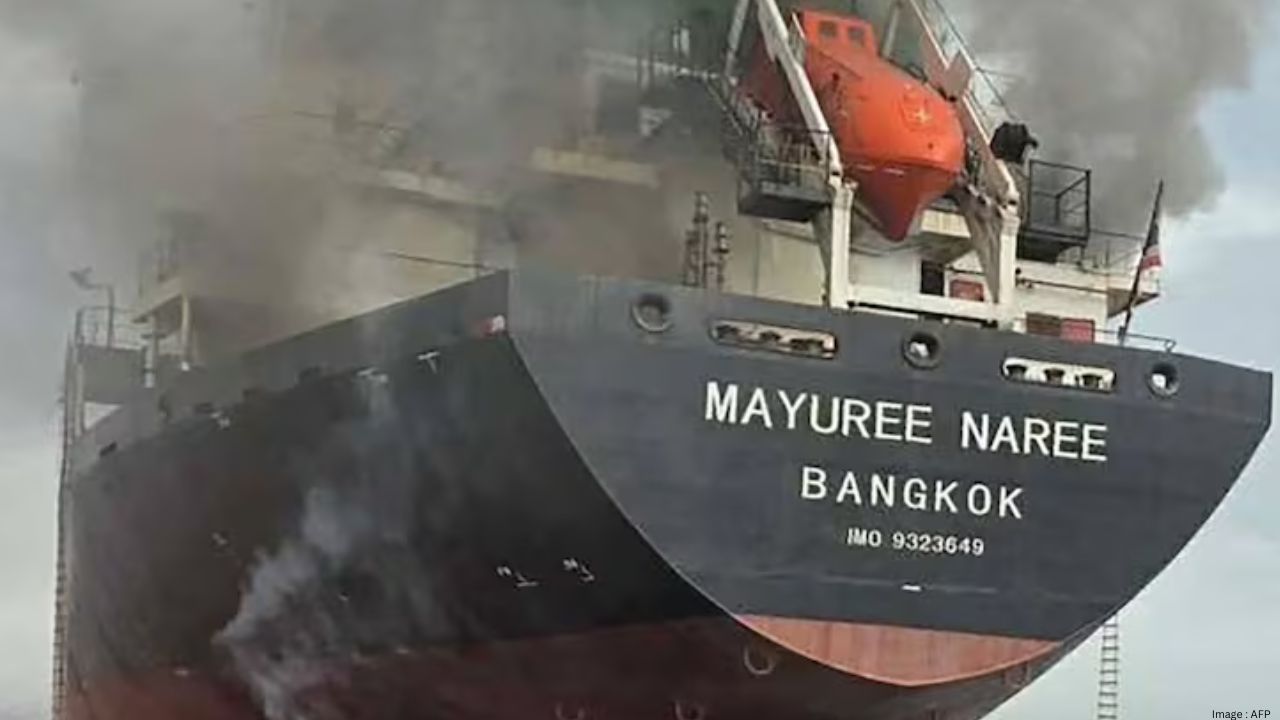
The global energy crisis is entering a more serious phase as disruptions in oil and gas supply begin to impact real-world availability. The situation has worsened due to the ongoing conflict in the Middle East, which has effectively blocked one of the world’s most important energy routes — the Strait of Hormuz.
Since the conflict began on February 28, energy shipments through this critical route have been severely affected. While some oil tankers managed to leave the region just before the disruption, these final shipments are expected to reach major Asian markets such as Japan and South Korea within the next few days. After that, experts warn that there will be a significant gap in supply, with no new shipments arriving for some time.
Analysts describe this situation as a massive “air gap” in oil supply. It is estimated that around 500 million barrels of oil that would normally pass through the Strait are now missing from the global supply chain. This gap is expected to create serious shortages, especially when existing shipments are fully used.
The crisis is currently visible in what experts call the “paper oil” market, which includes contracts and future deliveries. However, the real concern lies ahead when the shortage moves into the physical supply of oil. At that point, countries and industries will begin to feel the direct impact, including fuel shortages and rising costs for transportation, manufacturing, and daily goods.
Governments around the world are trying to manage the situation by releasing oil from strategic reserves. Around 400 million barrels have been planned for release to stabilize the market. However, experts believe this may not be enough to fully offset the supply shock. Countries like Japan have warned that their reserves may only last a few weeks under current conditions.
Natural gas markets are also under pressure. Prices have increased sharply since the start of the conflict, with Asian markets seeing nearly a 90 percent rise. A large volume of gas — estimated at 120 billion cubic metres — is unable to pass through the Strait, adding to the global shortage.
Some countries are already experiencing the effects more strongly than others. Nations that depend heavily on imported energy are facing immediate challenges. For example, Pakistan has started implementing emergency measures such as reducing working days and temporarily closing schools to conserve energy.
Another major concern is uncertainty about how long the disruption will last. Even if the Strait reopens soon, it would take weeks for oil shipments to resume normal flow, as transportation depends on slow-moving tankers. Experts predict that disruptions could continue for months, with trade and supply chains affected well into the year.
The ongoing crisis highlights how dependent the global economy is on stable energy supply routes. With no clear end to the conflict and limited solutions available in the short term, the risk of prolonged economic impact remains high. Rising fuel prices, supply shortages, and pressure on industries are expected to continue as the situation develops.