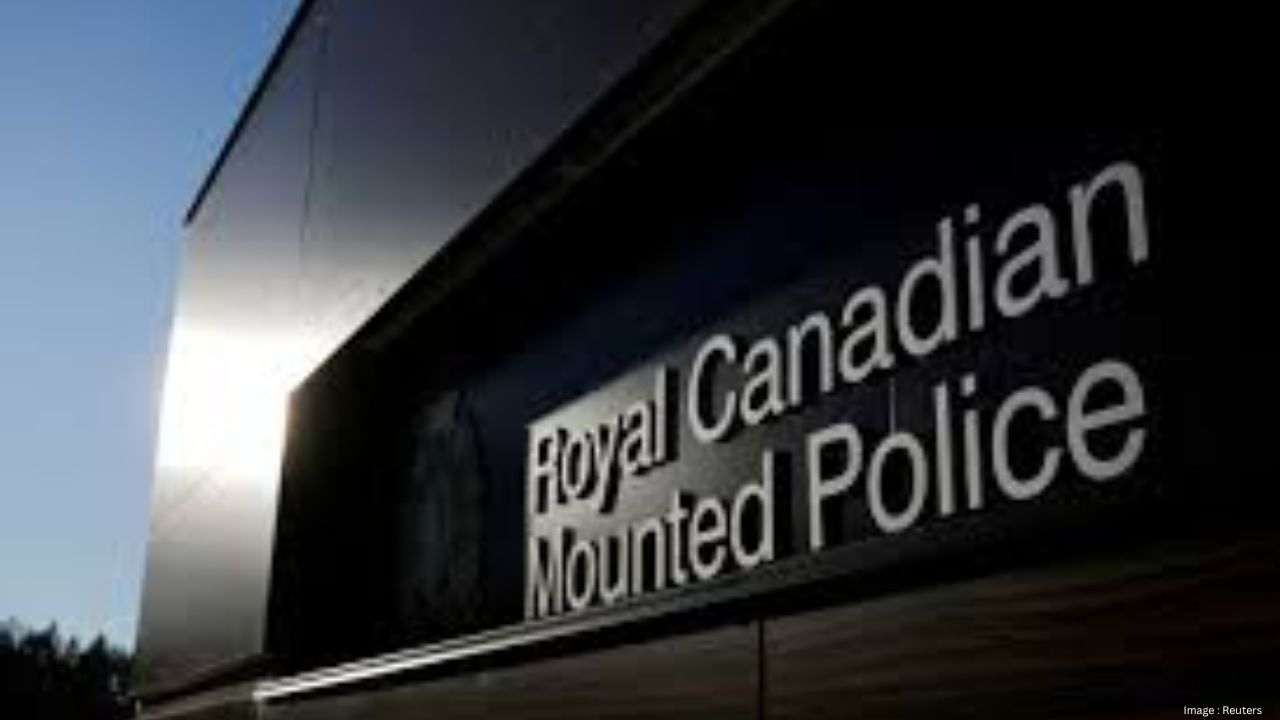
Newly declassified documents have revealed that the Royal Canadian Mounted Police (RCMP) secretly used paid informers to monitor and spy on leaders of the Dene Nation during the 1970s. The findings have raised serious concerns about surveillance practices and government actions against Indigenous political movements in Canada.
According to the documents, the RCMP’s Security Service ran a large-scale intelligence operation that lasted several years. At least five informers were recruited and paid to gather information on Dene leaders, their meetings, and internal activities. These informers secretly passed information to authorities without the knowledge of those being monitored.
The surveillance operation began in the early 1970s and intensified over time, especially as the Dene Nation became more active in fighting for land rights, self-determination, and political recognition. Leaders were involved in legal actions and public campaigns that challenged government policies, which attracted the attention of security agencies.
Many Dene leaders, including François Paulette, have now spoken about their experiences and suspicions during that time. Paulette recalled incidents where strangers attempted to influence their movement and situations that later appeared to be linked to undercover surveillance. He said the confirmation of informers has caused anger and disappointment, especially considering the challenges leaders faced while advocating for their communities.
The documents also suggest that the RCMP feared the Dene movement could become more militant, possibly influenced by global political movements at the time. Authorities reportedly believed there was a risk of unrest or radical action, although many of these concerns were not proven.
Further details indicate that surveillance methods went beyond informers. There were allegations of office break-ins, hidden listening devices, and the collection of sensitive personal and political information. Some leaders believe these actions were part of a broader effort to disrupt and weaken the organization.
Former Dene Nation president Georges Erasmus expressed shock upon learning about the extent of the surveillance. He said it made him feel as though he was treated as an “enemy of the state,” despite working to improve policies and rights within Canada.
Experts say such operations were part of a wider Cold War-era strategy where authorities closely monitored political groups they considered a potential threat. However, critics argue that targeting Indigenous leaders advocating for rights was unjustified and harmful.
The revelations have sparked renewed calls for accountability and transparency. Many believe the government should acknowledge these actions and address their long-term impact on Indigenous communities and trust in public institutions.
This report highlights a significant and controversial chapter in Canadian history, showing how intelligence operations were used against a legitimate political movement. It also raises important questions about civil rights, surveillance, and the treatment of Indigenous leaders in the past.