A Transformative Era of Work
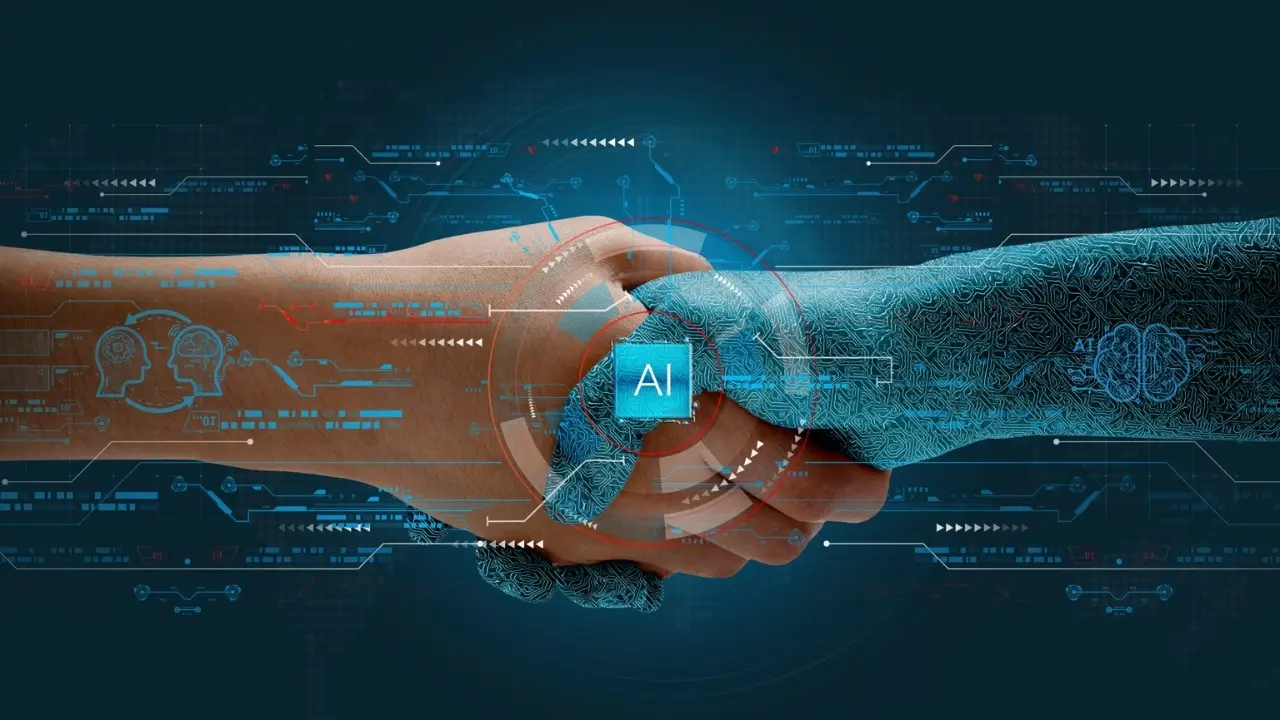
The rapid advancement of artificial intelligence (AI) is fundamentally altering the concept of work. Rather than merely automating specific tasks, AI is becoming a key collaborator in day-to-day processes. Insights from organizations like Nasscom and Indeed suggest that by 2027, the nature of human-AI collaboration will be pivotal in shaping work dynamics. This shift is already changing job roles, workflows, and the expectations of both skills and hiring practices across various industries.
The Rise of Collaborative AI
From Tools to Collaborative Allies
Historically, AI has been perceived solely as a tool—something external that aids in certain tasks like data analysis or automation. This view is now evolving. Recent industry insights indicate that AI will be ingrained in daily operations, enabling a partnership where humans and machines co-create outcomes that neither could achieve alone.
AI systems are progressing from being isolated assistants to becoming collaborative allies, enhancing human decision-making capabilities and managing increasingly complex tasks. This shift allows AI to undertake routine chores while humans concentrate on strategic thinking, creativity, and more complex decision-making processes.
2027: Key Trends to Anticipate
Deep Integration in Everyday Workflows
Insights from global research and HR experts indicate that a remarkable 97 percent of HR leaders foresee workers engaging seamlessly with AI by 2027, involved not just in sporadic technology use. This signifies that AI will be woven into everyday tasks across sectors—from tech and marketing to customer service and operations.
In essence, job roles will not merely be augmented by AI but will be transformed around AI-enabled workflows. Instead of viewing AI as a rival, workplaces will increasingly recognize it as a valuable ally that boosts productivity and creativity.
AI Adoption Already in Progress
Current reports indicate that 20-40 percent of tasks in tech organizations are performed with AI support. In software development, AI is significantly impacting routine tasks, with up to 45 percent of coding efforts currently supplemented by AI tools.
Activities such as code generation, quality assurance, and data analysis are increasingly AI-driven, enabling human workers to dedicate more time to designing strategies and activities requiring creativity and judgment.
The Evolution of Jobs and Work Design
Shifting from Tasks to Outcomes
Job performance is evolving from merely completing tasks to focusing on achieving results. In a human-AI collaborative setting, workers will be assessed not just on their output but on the value they generate through innovation and strategic insights. AI will handle heavy data processing and routine computations—areas where consistency and precision are crucial.
Conversely, human contributions will revolve around emotional intelligence, ethical principles, contextual understanding, and inventive problem-solving—qualities that AI struggles to emulate.
Human Oversight Remains Vital
Despite advancements in AI, the necessity for human oversight remains paramount. Many HR leaders argue for continued human validation of AI outcomes to maintain quality and ethics in business decisions.
Consequently, professions in scope definition, data architecture, and strategic leadership will become more important, requiring nuanced judgment and contextual awareness—areas where AI still falls short.
Shifts in Hiring and Skill Development
The Growth of Skills-Based Hiring
As AI integrates into operations, hiring criteria are shifting. Traditional qualifications like degrees are increasingly being replaced by skills-based assessments, emphasizing demonstrable capability over established credentials.
Currently, around 85 percent of hiring managers prioritize tangible skills and real-world experiences, recognizing the need for multidisciplinary skill sets that merge technical abilities with soft skills like adaptability and creativity.
Need for Continuous Learning and Reskilling
Upskilling is becoming non-negotiable. As AI takes on routine tasks, employees must enhance skills beyond AI's capabilities. Organizations are investing in reskilling initiatives to prepare their workforce for hybrid roles, focusing on critical thinking, AI oversight capabilities, data interpretation, and decision-making science.
Sector-Wise Impact of Human-AI Collaboration
Technology and Development
The tech industry leads in AI integration, with AI assisting more than 40 percent of coding responsibilities. This not only enhances speed but also influences skill development for programmers who must now guide AI systems and ensure output quality.
Key human activities include system design and user experience strategy—tasks where creative and strategic thinking are essential, as machines handle repetitive tasks.
The Professional Services Sector
In sectors like finance and legal advisory, where ethical judgments are crucial, AI-generated insights will be augmented by human expertise. AI can process extensive data, but humans will remain vital in contextualizing and applying these insights strategically.
Roles demanding empathy and ethical reasoning will combine AI insights with human intuition, particularly in consulting and relationship management.
Routine Operations and Knowledge Work
Even traditional industries, including marketing and HR, are incorporating AI. Predictive analytics and intelligent workflows are refining roles, decreasing manual workloads, and accelerating decision processes. Functions like quality control and data reporting are increasingly performed with AI assistance, streamlining operations.
Opportunities and Challenges Ahead
Enhanced Productivity through Collaboration
Combining human ingenuity and AI efficiency can drive unprecedented productivity. AI speeds up data analysis while humans add critical contextual insights, leading to innovation and greater value across sectors.
Redesigning Work for Satisfaction
AI's role isn't to replace humans but to transform work. By reallocating tedious tasks to machines, employees gain more opportunities for strategic and creative pursuits, potentially improving job satisfaction and career growth.
Challenges: Skills and Ethics
Despite the promise of AI integration, significant barriers remain, particularly regarding skills gaps. Many workers feel unprepared for AI incorporation and require sufficient training to adapt to these technologies.
Ethical considerations surrounding data handling and fairness are also critical. To enable effective human-AI cooperation, robust frameworks are essential to maintain trust and accountability.
Preparing for the Future with AI
Commitment to Lifelong Learning
Workers must embrace continuous education. Employers and individuals should focus on fostering skills in AI literacy, adaptability, and ethical awareness to thrive in an increasingly automated environment.
Rethinking Job Structures
Organizations must reimagine job roles, assigning routine functions to AI while positioning humans in strategy and oversight roles. Job designs should combine machine efficiencies with human strengths to enhance productivity.
Building Ethical Frameworks
Trust in AI systems is essential for collaboration. Implementing transparent governance and ethical guidelines will help ensure that AI is viewed as a partner rather than a replacement, supported by policies ensuring fairness and accountability.
Conclusion: A Reimagined Workforce by 2027
By 2027, the concept of work will be profoundly transformed through close human-AI collaboration. Technology will be seamlessly integrated into daily activities, reshaping roles and setting new value standards. Humans will guide creative and strategic efforts, while AI will optimize routine tasks. Together, they will redefine productivity and the nature of work, heralding a new era of innovation.
Disclaimer:
This article aggregates insights and research regarding the evolving partnership between humans and AI in the workplace. It serves informational purposes and does not offer professional advice. AI integration strategies and workforce practices vary by industry and may evolve over time.