Pregnant women across Cuba are facing growing fears as they prepare to give birth in the middle of a deep national crisis marked by power outages, fuel shortages, and economic hardship. The situation has worsened in recent months, especially after policies introduced during the administration of Donald Trump severely limited fuel supplies to the island, leading to widespread electricity failures.
In Havana, hospitals are struggling to operate under extremely difficult conditions. Many facilities depend on backup generators, but even these are affected by fuel shortages. Doctors and nurses continue to work tirelessly, often without stable electricity, to care for pregnant women and newborns.
One such patient is Mauren Echevarría Peña, a 26-year-old woman expecting her first child. Her pregnancy has been medically complicated, requiring constant monitoring due to conditions like gestational diabetes and high blood pressure. Despite receiving dedicated care from hospital staff, she remains anxious about giving birth during a possible blackout. She has spent weeks in a maternity ward, where doctors are doing everything possible to ensure her baby’s safe delivery.
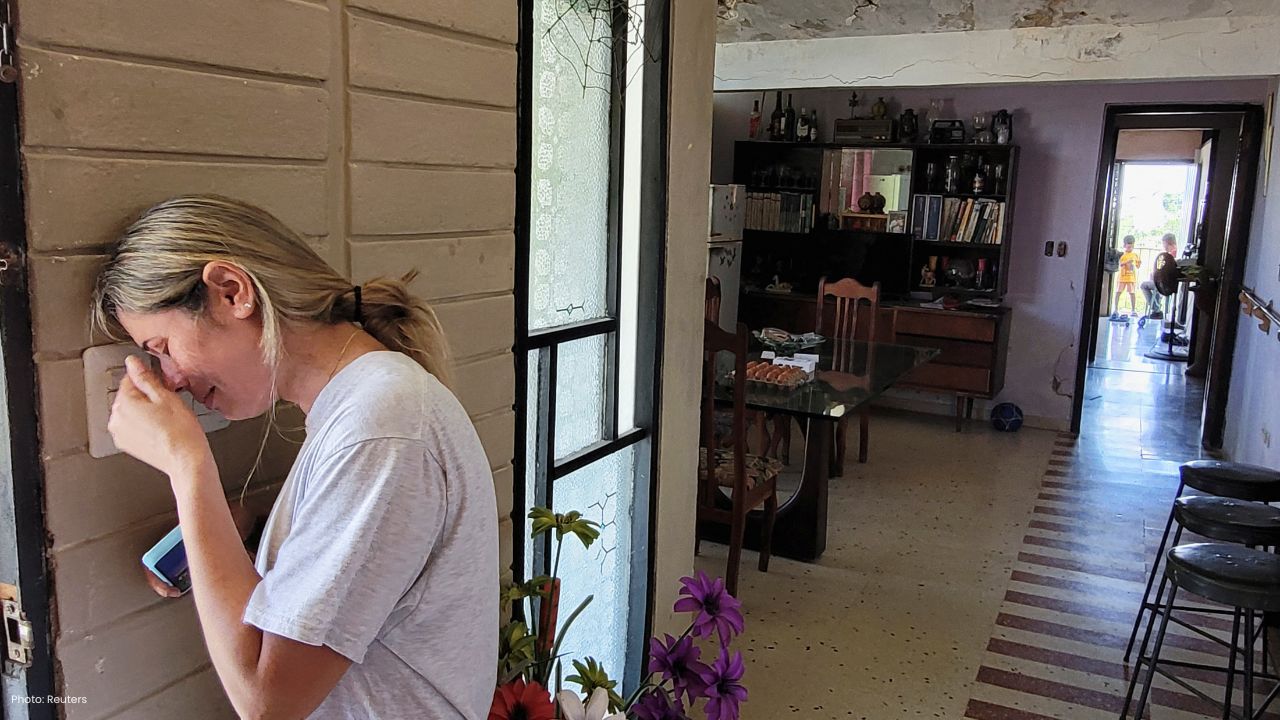
While some women are able to receive hospital care, many others face even harsher realities at home. Indira Martínez, who is seven months pregnant, lives in a suburb where power cuts can last for many hours or even days. Without electricity, she cannot cook proper meals or store food safely. Her family relies on a small charcoal grill to prepare whatever food is available, which often lacks the nutrients needed during pregnancy.
The ongoing crisis has also affected daily life and income. Indira, a trained professional, is unable to work during her pregnancy, while her husband supports the household with limited earnings. Rising food shortages and lack of access to proper nutrition have increased stress for many expectant mothers, raising concerns about their health and that of their babies.
According to official estimates, there are more than 30,000 pregnant women currently in Cuba. However, not all of them are receiving consistent medical or nutritional support. While some international aid has reached the country, many families say it has not been distributed evenly, leaving them to manage on their own.
The crisis has been intensified by disruptions in fuel supply, which have affected electricity generation and transportation across the island. As a result, Cuba has experienced repeated nationwide blackouts, making everyday activities difficult and creating uncertainty for those about to give birth.
Beyond the immediate concerns of childbirth, many parents are also worried about the future of their children. Economic struggles, limited job opportunities, and declining public services have led to growing doubts about long-term prospects. Some families feel that even basic needs like education and healthcare are becoming harder to access.
Despite these challenges, healthcare workers continue to provide support under pressure, and many families are trying to remain hopeful. However, the situation highlights the serious impact of the ongoing crisis on vulnerable groups, especially pregnant women, who now face one of the most difficult environments in recent history to bring a new life into the world.