When Convenience Turns Costly
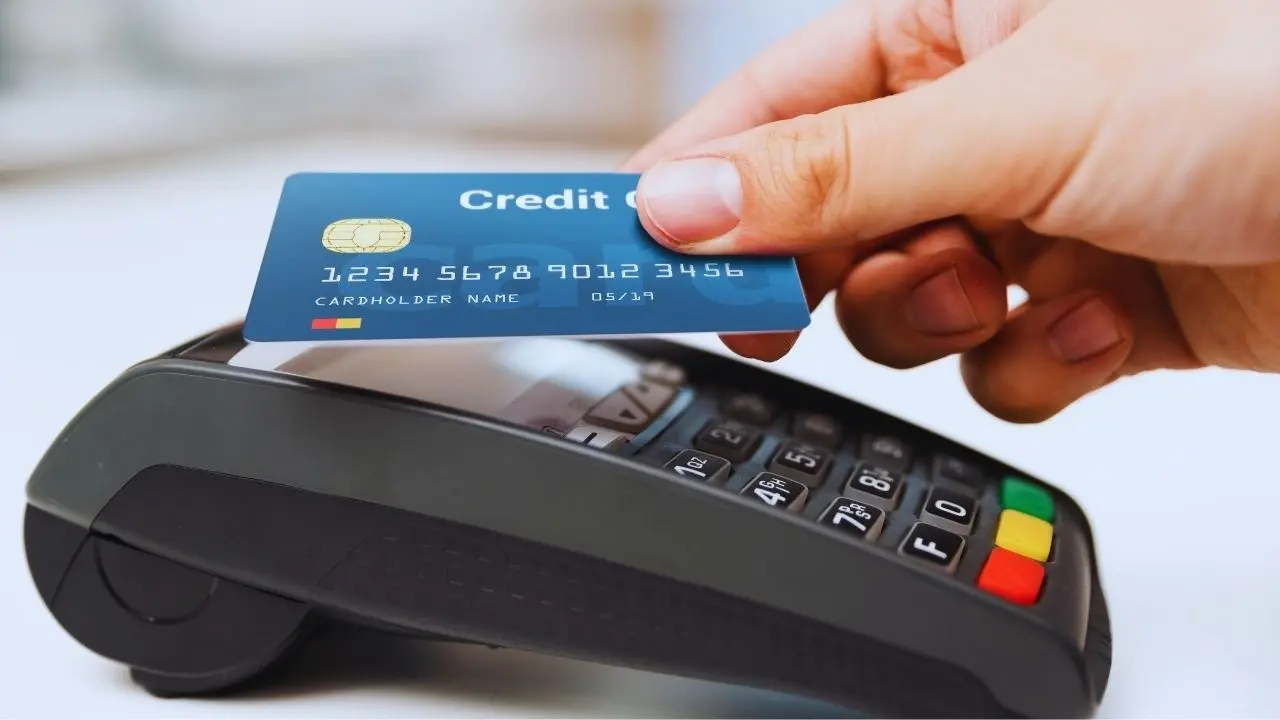
In an age of one-tap payments and invisible money, credit cards have woven themselves into daily life. They pay bills, book tickets, fund emergencies and fuel impulsive shopping. During steady price periods, most users manage balances without panic. But when inflation rises, the same cards quietly transform from convenient tools into financial quicksand. Groceries cost more, school fees rise, medical bills surprise and fuel refuses to settle down. To bridge the gap between income and expenses, many lean harder on credit.
At first, the transition feels harmless. A few extra purchases here, a delayed repayment there, and life continues. But inflation stretches repayment capacity while interest quietly compounds. The result is a debt loop that tightens month after month. Understanding how inflation amplifies credit risk is not just smart money management; it is survival.
This article breaks down how inflation distorts spending, why credit cards demand fresh strategy during economic pressure, and how families can escape the cycle before it consumes savings, sleep and sanity.
How Inflation Changes the Credit Game
Inflation does not simply raise prices. It changes how people think, behave and spend. What once felt affordable suddenly feels heavy, and what was considered luxury now looks essential.
Rising Prices, Shrinking Headroom
When food, housing and transport costs rise faster than income, disposable income disappears. Bills get paid first, leaving little for emergencies or savings. Credit cards then become the cushion that keeps the lifestyle from falling apart.
The problem is that inflation reduces purchasing power while interest rates often climb in response. This combination is lethal for borrowers. The same household that comfortably paid bills at last year’s prices now juggles higher costs and costlier credit.
Minimum Dues Create Maximum Damage
Paying the minimum due feels responsible during cash shortages. It keeps accounts active and avoids penalties. But minimum payments are designed to extend repayment, not shorten it. During inflationary times, minimum dues barely cover interest, leaving principal untouched.
The illusion of progress hides stagnation. Month after month, balances look similar, but total repayment stretches across years. Inflation makes minimum payments feel necessary, but they magnify long-term pain.
The Psychology of Inflation Spending
Money behaviour changes under pressure. Inflation does not just affect wallets; it rewires emotions.
Spending as Comfort
As costs rise and uncertainty grows, spending becomes emotional. Small purchases provide relief from stress. Shopping fills emotional gaps created by financial strain. Credit cards become mood managers.
The problem is not the purchase itself but the habit that forms. Comfort spending rooted in stress compounds debt silently.
Fear Buying and Stockpiling
High inflation pushes people into “buy now before it gets expensive” thinking. Purchases speed up, even for items not urgently needed. Credit cards enable this urgency without immediate pain.
But urgency spending often leads to regret spending. The bill arrives long after the emotional reason has faded.
Interest: The Hidden Multiplier
Inflation makes interest more dangerous than ever.
How Interest Quietly Doubles Your Spend
A purchase of a few thousand can snowball into something much larger if carried month-to-month. Interest charges do not feel dramatic daily, but they compound weekly, monthly and annually.
Inflation widens the gap between spending and repayment, allowing interest to grow unchecked. What feels like borrowing today becomes repayment punishment tomorrow.
Late Fees and Penalties Add Fuel
Once cash flow strains tighten, payments start slipping. Late fees, interest hikes and over-limit charges creep in. One delayed payment damages credit scores and triggers higher rates.
Inflation does not just raise prices; it raises the cost of mistakes.
Smart Strategies for Safe Credit Use
Credit cards during inflation require discipline, not denial.
Budgeting With Inflation Reality
Old budgets lie during price spikes. Food, fuel and utilities need fresh calculation. Without updating numbers, users underestimate spending and overuse credit.
Inflation budgeting means tracking weekly expenses, not monthly assumptions.
Separate Needs From Wants Clearly
When everything feels urgent, nothing is. Users must draw hard lines between essential and emotional spending. Medical, food and education belong on credit if needed. Upgrades, gadgets and impulse buys should not.
During inflation, emotional discipline becomes financial security.
Never Carry Revolving Balances Mindlessly
If balances are unavoidable, prioritise cards with lower interest first. Transfer balances when possible to reduce charges. Avoid fresh spending until old balances decline.
The idea is simple: attack debt before it multiplies.
Cash Is Still King, Even in a Digital Age
Credit hides money pain. Cash reveals it.
Why Physical Money Changes Behaviour
Swiping does not feel like spending. Counting notes does. When inflation bites, switching part of spending to cash adds psychological friction.
This friction prevents impulse purchases and encourages mindful payment.
Debit Before Credit
Whenever possible, expenses should come from owned money, not borrowed money. Cards should serve emergencies, not lifestyles.
Emergency Funds Must Become Non-Negotiable
Inflation punishes households without buffers.
Why Every Family Needs Cash Protection
Without reserves, any surprise becomes debt. Medical costs, repairs or short-term income loss turn into long-term credit strain.
Emergency funds reduce anxiety and rescue users from debt traps.
Starting Small Works
Saving even small amounts consistently builds defence. Inflation rewards preparation and punishes complacency.
Mental Health and Money Are Linked
Debt stress affects sleep, focus and relationships.
Financial Anxiety Is Real
Constant balance checking, fear of bills and avoidance behaviour signal financial overload. Many ignore these signs until health suffers.
Talking About Debt Should Not Be Shameful
Conversations with family, partners or financial counsellors reduce isolation. Debt is not failure; silence about it is.
Avoid Lifestyle Inflation Even When Income Grows
Inflation tempts lifestyle upgrades.
Why Raises Disappear Quickly
Salary increases vanish into upgraded phones, meals and subscriptions. Credit cards accelerate expansion without visible consequence.
This is how earning more results in owning less.
Living Slim Builds Strength
Resisting upgrades provides flexibility. Lower commitments mean greater freedom when prices surge.
Retail Traps to Watch Out For
Discounts do not always save money.
Buy Now, Pay Later Illusions
Deferred payment offers invite future pain. They encourage spending that budgets cannot support.
Delayed payment does not equal harmless purchase.
Reward Points Can Betray
Chasing points leads to overspending. Rewards are meaningless if paid with interest.
Repairing Damage Already Done
If debt has grown, recovery is possible.
Start With Knowing the Numbers
List every card, every balance, every interest rate. Avoiding numbers delays recovery.
Negotiate and Consolidate
Banks are often willing to restructure payments for struggling customers. Asking early saves stress and money.
Stick to a Repayment Plan Religiously
Choose consistency over speed. Small wins create momentum.
Teaching Financial Habits at Home
Families shape spending behaviour.
Children Learn From What They See
Debt conversations teach awareness. Financial silence teaches fear.
Shared Responsibility Builds Strength
Money is easier to manage together than alone.
Looking Ahead: Smart Credit Is Power
Inflation risks will not vanish overnight. But users can adapt.
Credit cards are not enemies. Misuse is. Strategy transforms risk into control.
Financial freedom is not about refusing all comfort. It is about choosing comfort without future punishment.
Final Thoughts: Control the Card Before It Controls You
In difficult economic times, credit reveals character. It rewards discipline and exposes carelessness. Those who treat credit as emergency support survive inflation. Those who treat it as lifestyle oxygen suffocate financially.
The smartest cardholders in the coming years will not be those with the highest limits, but those who use them least.
Because true power in a high-inflation world is not spending without limits.
It is living without fear.
Disclaimer
This article is meant for informational purposes only and does not constitute financial advice. Readers should evaluate their individual financial situations and consult certified professionals before making credit or repayment decisions.