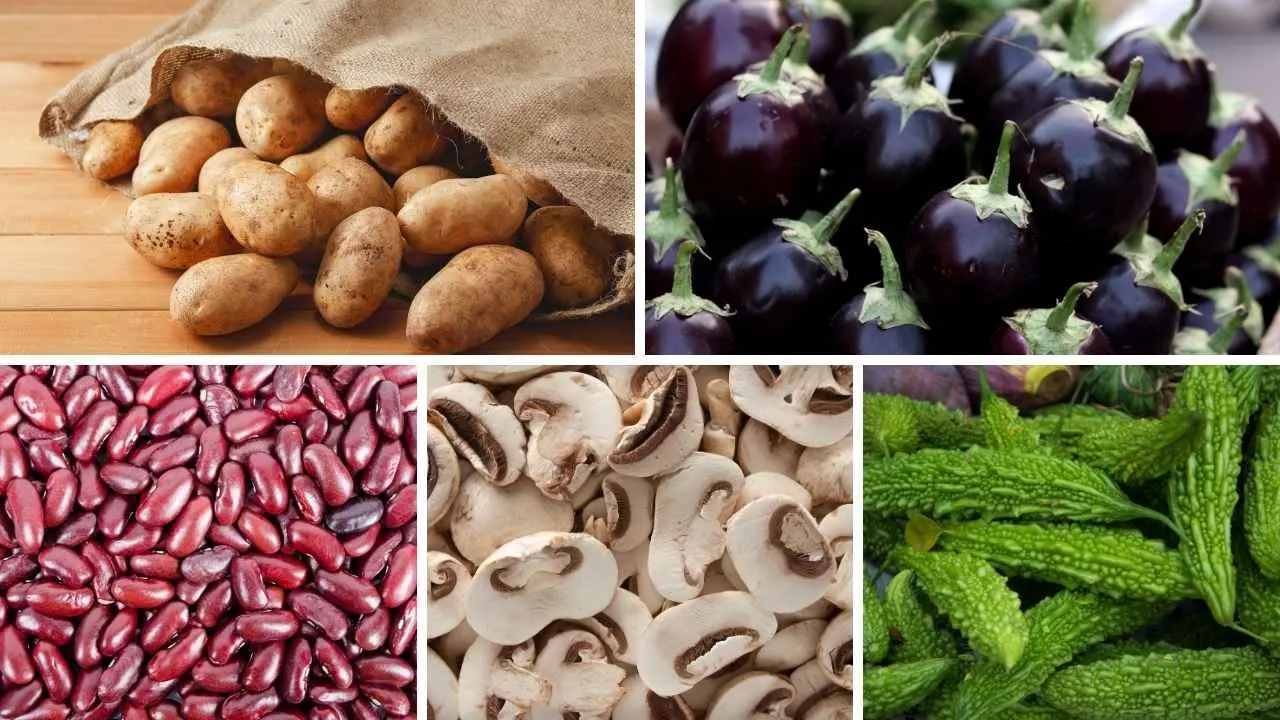
5 Vegetables to Avoid Eating Raw: Health Risks and Cooking Benefits
While many believe that raw vegetables are the healthiest option, experts warn that some vegetables can be unsafe without cooking. They may lead to digestive issues, gas, or even foodborne illnesses when consumed raw.
The reality is that certain vegetables are safer and more nutritious after cooking. Heat can break down tough fibers, eliminate toxic compounds, and enhance nutrient absorption.
Here’s a look at five vegetables you should avoid eating raw and why cooking them is preferable.
1. Potatoes
At first glance, raw potatoes might seem harmless, but they contain solanine, particularly in unripe varieties.
Why raw potatoes can cause issues:
-
Can lead to stomach cramps or nausea
-
Hard starch makes them hard to digest
-
May result in gas and bloating
-
Green potatoes have higher solanine levels
Cooking methods like boiling or baking reduce solanine and make potatoes safe to enjoy.
2. Eggplant (Brinjal)
Raw eggplant also contains solanine and can be tough on the stomach.
Why raw eggplant is not a good choice:
-
Can irritate the stomach lining
-
May trigger headaches in some individuals
-
Difficult to digest when raw
-
The bitter taste can be unpleasant
Cooking transforms eggplant by removing bitterness and making it a fiber-rich food.
3. Red Kidney Beans (Rajma)
Raw kidney beans are nutritious but contain phytohaemagglutinin, which is toxic if not cooked properly.
Why they are dangerous uncooked:
-
Can cause severe stomach pain
-
Nausea and vomiting
-
Diarrhea may occur
-
Can mimic food poisoning symptoms
-
Sometimes requires medical attention
Soaking and boiling red kidney beans neutralizes toxins, making them a safe and nutritious protein source.
4. Mushrooms
While a few mushroom types may be safe raw, most should be cooked to eliminate harmful substances.
The risks of eating raw mushrooms:
Cooking methods such as sautéing and grilling make mushrooms both safer and tastier.
5. Bitter Gourd (Karela)
Though known for its health benefits, consuming bitter gourd raw might be harsh for many.
Why raw bitter gourd may upset you:
-
Can cause stomach issues
-
Might lead to nausea or dizziness
-
Raw bitterness is often too strong
-
Headaches could also occur
Cooking mitigates the bitterness and makes its nutrients more accessible for absorption.
The Benefits of Cooking Vegetables
Cooking these vegetables not only neutralizes toxins but also:
-
Makes fiber easier to digest
-
Facilitates nutrient absorption
-
Removes harmful bacteria
-
Enhances flavor and texture
Cooking does not destroy all nutrients; in fact, it can increase safety and nutritional value for these five vegetables.
Safe Raw Vegetables
For those who enjoy raw foods, consider these generally safe options:
These options are nutrient-rich and gentle on the digestive system.
Expert Opinions
Nutrition professionals advise that while vegetables are healthful in any form, knowing which ones require cooking is essential. Certain raw vegetables might lead to digestive troubles or hinder nutrient uptake. If a raw vegetable causes discomfort, it’s best to cook it.
Good food handling practices are crucial. Washing and cooking vegetables correctly can prevent health issues.
Although raw vegetables are often promoted as a healthy choice, some should be avoided uncooked. Potatoes, eggplant, kidney beans, mushrooms, and bitter gourd can precipitate digestive issues and might even be hazardous when eaten raw. Cooking helps alleviate natural toxins, improves digestion, and enhances their nutrient value.
Understanding which vegetables should be cooked can help maintain your health while enjoying your meals comfortably. Thoughtful eating involves knowing not just what foods to choose, but also how to prepare them.
Disclaimer
The information provided in this article is intended for general awareness and should not be considered a replacement for professional medical or nutritional advice. Individual tolerances may vary; consult a qualified healthcare provider or nutritionist if you have specific dietary concerns. Always cook vegetables properly when needed and follow expert guidance for safe eating practices.