Rethinking How Mobility Works in Cities
Cities worldwide, including major Indian metros, are now facing urgent mobility challenges. Traffic congestion has reached its limit, fuel prices vary unpredictably, and air quality is deteriorating. Governments are under increasing pressure to implement strict regulations and innovative projects to redefine daily commuting.
Travel is evolving into a public concern, laden with economic, health, and environmental implications. Transport ministries and city planners are beginning to view transportation networks as cohesive systems that demand structured reforms, rather than simply conveniences. The focus has shifted from mere comfort to sustainability.
The Necessity for Policy Changes
Once viewed as symbols of success, personal vehicles now contribute to frustration as road congestion booms while space remains stagnant. With cities choking under traffic, productivity is hindered by long hours spent on the road, and pollution levels jeopardize public health.
Lawmakers realize that merely expanding roadways will not alleviate traffic woes; instead, they are crafting policies that make car ownership pricier and elevate public transport as an effective alternative.
Using Fuel Prices and Parking Regulations as Tools
Rising fuel costs serve not just as a market force but as a deliberate strategy by authorities to reduce private vehicle usage. In various cities, parking fees have skyrocketed, roadside parking is heavily regulated, and fines for violations are more stringent.
These measures aim to manage traffic, not to penalize residents. As the financial strain of owning a vehicle grows, citizens begin to reassess their daily travel choices. A steep parking fee in prime areas nudges commuters to weigh costs against benefits, ultimately leading to changed choices.
Transforming Public Transport Perception
Previously viewed as only a solution for the economically disadvantaged, public transit is now gaining new appeal. Modern metros, eco-friendly buses, and seamless travel options are designed to attract even the most reluctant riders.
Significant budget portions are being funneled into enhancing connectivity between metros, buses, and suburban networks. Technology like mobile apps enables real-time tracking, while digital ticketing optimizes flow by cutting down wait times. Enhanced cleanliness, safety initiatives, and amenities such as air conditioning fundamentally improve the commuting experience.
Bridging the Comfort Divide
Historically, one of the key challenges in persuading individuals to abandon personal vehicles has been the comfort factor. Cars offer a sense of privacy and freedom while public transport has long been synonymous with noise and crowding.
Today, this gap is narrowing with modern transit solutions prioritizing both comfort and efficiency. New vehicles are quieter, air-conditioned, and come with reserved seating, along with fully accessible stations equipped with lifts and escalators.
Commute no longer equates merely to survival but is increasingly about managing it with comfort.
Electric Vehicles Complicating Discussions
Though electric vehicles (EVs) were anticipated to clarify the transportation options debate by offering a green alternative to traditional fuels, they haven’t reduced traffic congestion. The roads remain busy, parking is still a challenge, and travel durations are unchanged.
As a result, the focus has shifted toward promoting electric public transport systems. Electric buses and metro networks offer cleaner air with lesser traffic congestion, highlighting that the core issue isn't the energy source, but the volume of vehicles on the streets.
Resistance from the Middle Class
Despite these advancements, many individuals are still reluctant to forgo their personal vehicles. Deep-rooted habits, societal status, and convenience often outweigh the change. For families, a car represents security; for professionals, it signals flexibility. For numerous households, vehicles embody a significant financial investment.
Therefore, any policy shift tends to meet backlash. Higher parking fees provoke dissatisfaction, fuel price increases spark outrage, and public transport projects may incite temporary disruptions, amplifying frustrations.
Cities find themselves at a crossroads.
Urban Planning Favoring Public Transport
A significant change in recent years is the urban redesign focused on transit corridors. New developments—residential, commercial, and office—are increasingly situated near metro lines and bus routes. The objective is clear: organize urban living around public transport rather than the reverse.
This strategy reduces travel distances, diminishes car dependency, and naturally boosts public transport usage. Cities with strategic planning enable buses and trains to become the default travel option, rather than relying on reluctant personal vehicle abandonment.
Ensuring Safety is Paramount
No reform can succeed if safety is not prioritized. Governments are making sizeable investments in safety measures, such as surveillance, proper lighting, designated women-only compartments, and emergency services. The perception of safety in public transport matters as much as statistical evidence.
Trust in the public system is essential; without it, no policy will be effective.
Safety remains the bedrock of mobility changes.
Economic Realities Strengthen the Argument
The cost of personal vehicle ownership extends beyond just fuel. Insurance, upkeep, parking fees, toll charges, and depreciation create a escalating financial burden. For many households, monthly expenses for car ownership rival those for housing.
In contrast, public transport offers certainty. Monthly passes, pre-paid cards, and predictable routes deliver consistency amid a fluctuating financial landscape.
Over time, rational budgeting is beginning to replace emotional attachments.
Environmental Mandates Fuel Policy Will
Climate pressures have galvanized government efforts. National climate goals and international obligations compel urban leaders to confront emissions proactively. Transport represents a major facet of urban pollution.
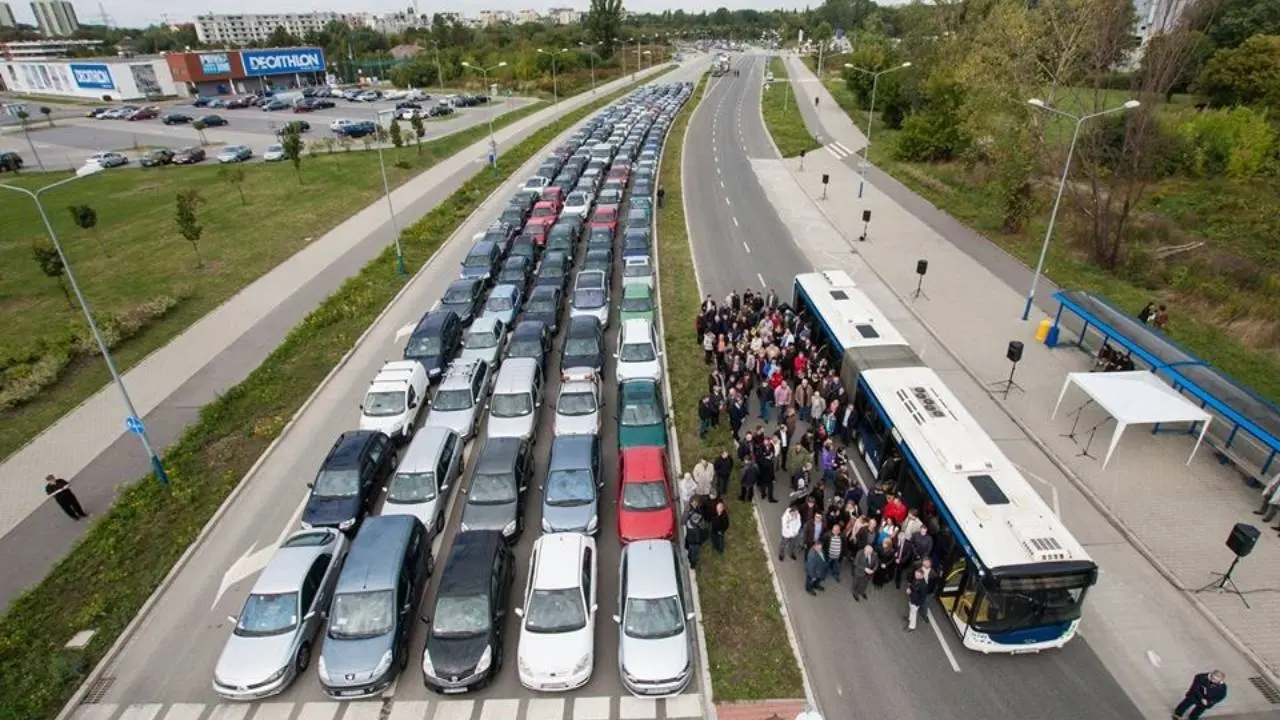
Investing in public transport yields observable benefits. A single bus can replace the polluted output of up to 40 cars, dramatically curtailing emissions. No technological solution can deliver results as swiftly as reducing vehicle numbers.
Fast change is imperative; cities cannot afford to wait.
What to Anticipate Moving Forward
Anticipate higher usage restrictions in core areas.
Congestion pricing implementations.
Additional adjustments to fuel pricing.
Extended metro networks.
Dedicated bus lanes.
Increased parking fees.
Integrated ticketing systems.
Expanding electric public transport fleets.
Urban mobility continues to evolve.
The era of unrestricted road access is drawing to a close.
Future Choices Will Drive Transit, Not Mandates
Governments are transitioning from prohibiting to persuading. Today's policies aim to encourage behavioral shifts rather than enforce them. As public transport becomes quicker, cleaner, cheaper, and more secure, citizen preferences naturally follow suit.
Mobility reform thrives not under compulsion but through conviction.
Final Insights: A New Era for Urban Travel
Cities are not outlawing personal vehicles.
They are prioritizing livable environments.
Urban landscapes must cater to individuals, not just vehicle traffic. The debate is shifting away from car versus bus, towards chaos versus organization.
Public transit may not be perfect.
But it is essential.
The future doesn’t belong to isolated vehicles; it belongs to shared travel.
DISCLAIMER
This article is for informational purposes only and does not serve as policy, legal, or transportation guidance. Policies can vary across regions, and readers should refer to official announcements for the latest information.