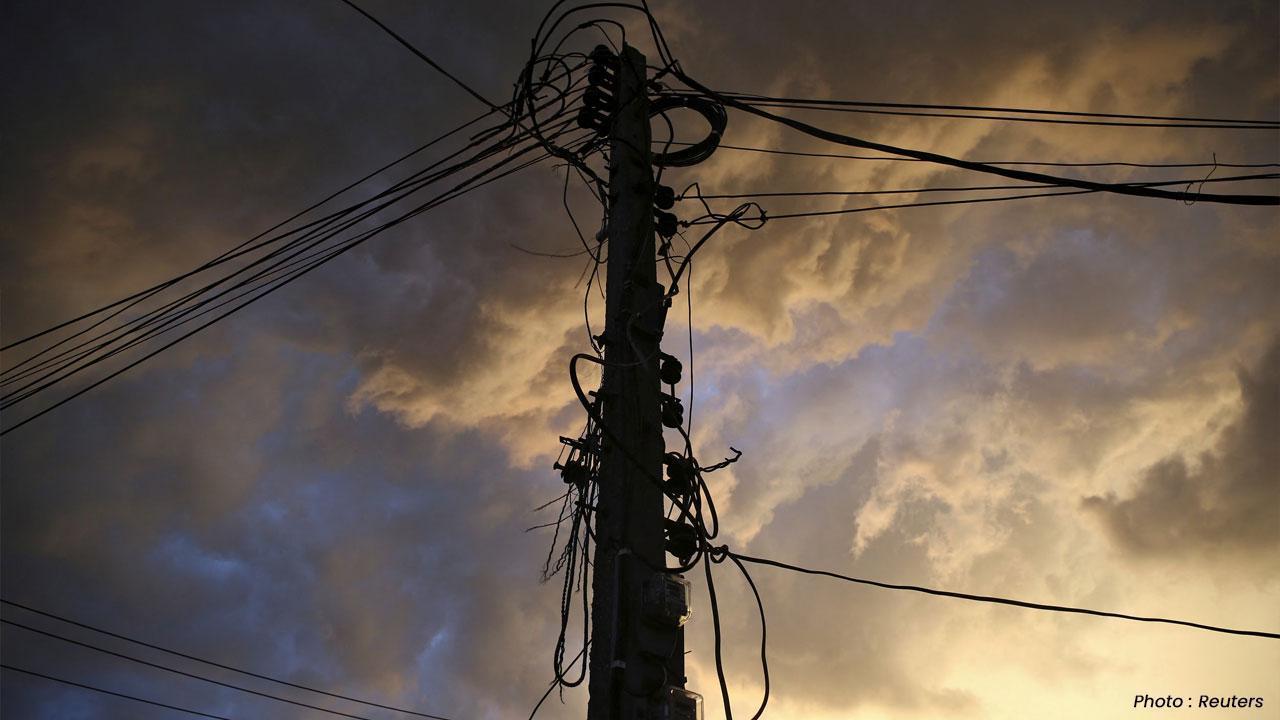
Thailand is witnessing a rare and dramatic shift as electricity demand drops record low , according to official data. Driven by mild weather, slowing industrial growth, and weaker household consumption, the decline marks one of the sharpest downturns in the country’s energy profile in decades.
Figures released by the Energy Policy and Planning Office (EPPO) show that Thailand electricity demand fell 5.4% year-on-year between January and July. This is the steepest power output decline recorded since the 1980s. Residential consumption fell more than 7%, while industrial and commercial sectors dropped by nearly 2.8%. Energy officials attribute this downturn largely to cooler conditions, which reduced air conditioning usage, and weaker economic activity dampening demand.
The fall in consumption has reshaped Thailand’s energy balance. Natural gas, long the backbone of the power sector, saw a 12% reduction in output. LNG imports plunged more than 15%, as fewer gas-fired plants were needed to meet lower demand. Instead, Thailand leaned more heavily on coal, hydropower, and imports from Laos to stabilize supply. The unexpected shift has also sparked questions about long-term energy policy, fuel contracts, and the future role of LNG in the country’s power mix.
This year’s mild weather is a central factor. La Niña conditions brought cooler temperatures and higher rainfall, sharply reducing electricity demand for cooling. Unlike 2024, when record heat waves pushed the grid to maximum capacity, 2025 has seen fewer peak load events. Analysts warn, however, that climate patterns are increasingly unpredictable, meaning demand could bounce back quickly if extreme heat returns.
Economics also play a role. Exports have slowed, public investment has been delayed, and tourism recovery is patchy. This has reduced industrial power needs. Factories in energy-intensive sectors, including automotive and textiles, have scaled down operations. As a result, Thailand electricity demand is unlikely to rebound fully before late 2026.
The decline in power generation highlights structural issues in Thailand’s energy policy. Planners are now re-evaluating capacity investments, as excess infrastructure and idle gas plants could strain finances. LNG suppliers, in particular, may face pressure to renegotiate terms if imports remain below projections. While the fall reduces short-term emissions from gas, increased coal reliance raises environmental concerns, leaving policymakers with difficult trade-offs.
For residents, the decline in consumption has had mixed effects. On one hand, households saw lower bills during cooler months. On the other hand, state utilities are managing reduced revenue, which may limit their ability to invest in upgrades or grid expansion. Businesses tied to electricity consumption, such as manufacturers, have welcomed the cost relief, but uncertainty about future demand complicates investment planning.
The last time Thailand saw a similar power output decline was during periods of global financial instability. Analysts argue this year’s drop reflects both domestic economic conditions and the global push toward efficiency and renewable energy. Yet the scale of the 2025 downturn has surprised even seasoned experts, many of whom call it a signal for governments to adapt quickly.
The environmental implications are complex. Lower gas demand and reduced LNG imports cut carbon emissions, but coal’s rising share threatens Thailand’s climate goals. Hydropower, boosted by rainfall, has provided cleaner energy, but is vulnerable to seasonal shifts. Experts stress the need for investment in solar, wind, and grid modernization to stabilize supply while meeting climate commitments.
Looking internationally, Thailand’s situation mirrors global patterns where electricity demand drops record low in response to weather and economic fluctuations. Similar demand drops have been noted in Japan, South Korea, and parts of Europe in recent years. This raises broader questions about how nations adapt their energy policy to changing consumption cycles, avoid overbuilding capacity, and secure resilient energy futures.
Observers point out that beyond economics, these developments have geopolitical implications. Reduced LNG demand in Asia could pressure global markets, affecting exporters like Qatar and the United States. For Thailand, diversifying energy imports while safeguarding domestic supply will remain key challenges in the coming years.
For comparative insights, see CNI News, which provides global energy perspectives, and reporting on how energy transitions are reshaping Asia’s economies. Also, consider France’s recent policy shifts, such as its recognition of Palestine and support for international agreements, reflecting how energy, climate, and diplomacy often overlap in shaping national strategies ( Newsible Asia).
In conclusion, Thailand’s electricity demand drops record low in 2025 marks a turning point for both its domestic power sector and its place in global energy markets. The steep decline highlights the intersection of climate variability, economic pressures, and policy uncertainty. For Thailand, the challenge now is to balance lower consumption with sustainable planning—ensuring resilience, efficiency, and climate responsibility in an increasingly volatile world.