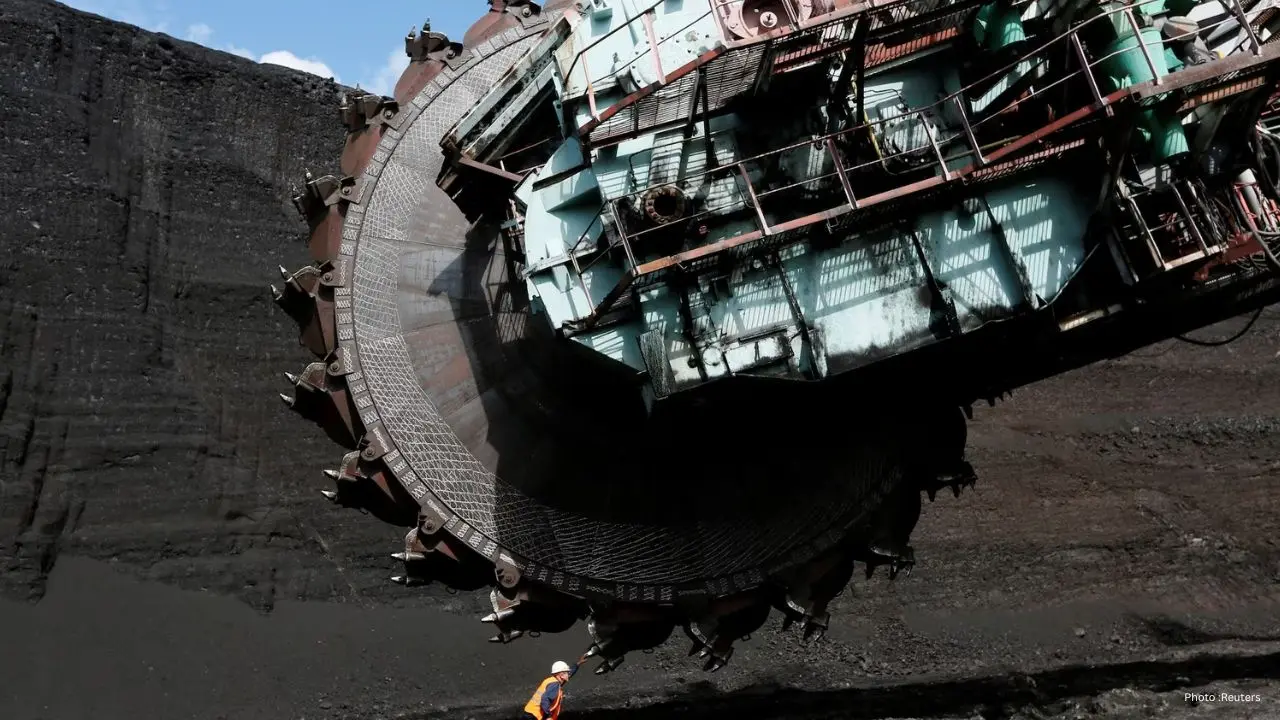
China has decided to revive a major coal-to-gas project as global energy markets face disruption due to ongoing tensions in the Middle East. The move highlights how geopolitical conflicts are reshaping energy strategies around the world.
The project, located in Fuxin, was first launched in 2011 with an estimated cost of $3.7 billion. However, it was suspended in 2014 because of several challenges, including environmental concerns, high costs, and technical difficulties. Now, more than a decade later, authorities believe that changing market conditions make the project more viable.
The revival comes at a time when the conflict involving the United States, Israel, and Iran has disrupted global energy flows, particularly natural gas supplies. Damage to infrastructure in the Gulf region has created uncertainty in gas availability, forcing major importers like China to look for alternative solutions.
China already has abundant coal reserves, but its natural gas supply has become less stable due to global supply issues. By converting coal into synthetic gas, the country aims to reduce dependence on imports and improve its energy security. This strategy also allows China to use its existing coal resources more efficiently.
Reports suggest that there are currently around 13 coal-to-gas projects either under construction or in planning across China. If all of them are completed, the country’s synthetic gas production capacity could increase significantly—up to seven times its current level. This could reach more than 52 billion cubic meters, which would account for about 12% of China’s total gas supply.
However, these projects are not without criticism. Environmental experts have long raised concerns about coal-to-gas technology, as it can produce high carbon emissions and consume large amounts of water. Despite this, China continues to balance its energy needs by investing in both traditional fuels like coal and cleaner sources such as renewables and battery storage.
In fact, China remains one of the largest drivers of global coal use. It is expected to launch a large number of new coal-fired power plants in 2026, accounting for the majority of such projects worldwide. Alongside electricity generation, coal is also being used in China to produce gas, liquid fuels, and chemicals.
The decision to restart the Fuxin project shows how energy security concerns can sometimes outweigh environmental priorities, especially during times of global instability. As conflicts continue to impact supply chains, countries like China are adapting quickly to ensure they have reliable energy sources for the future.