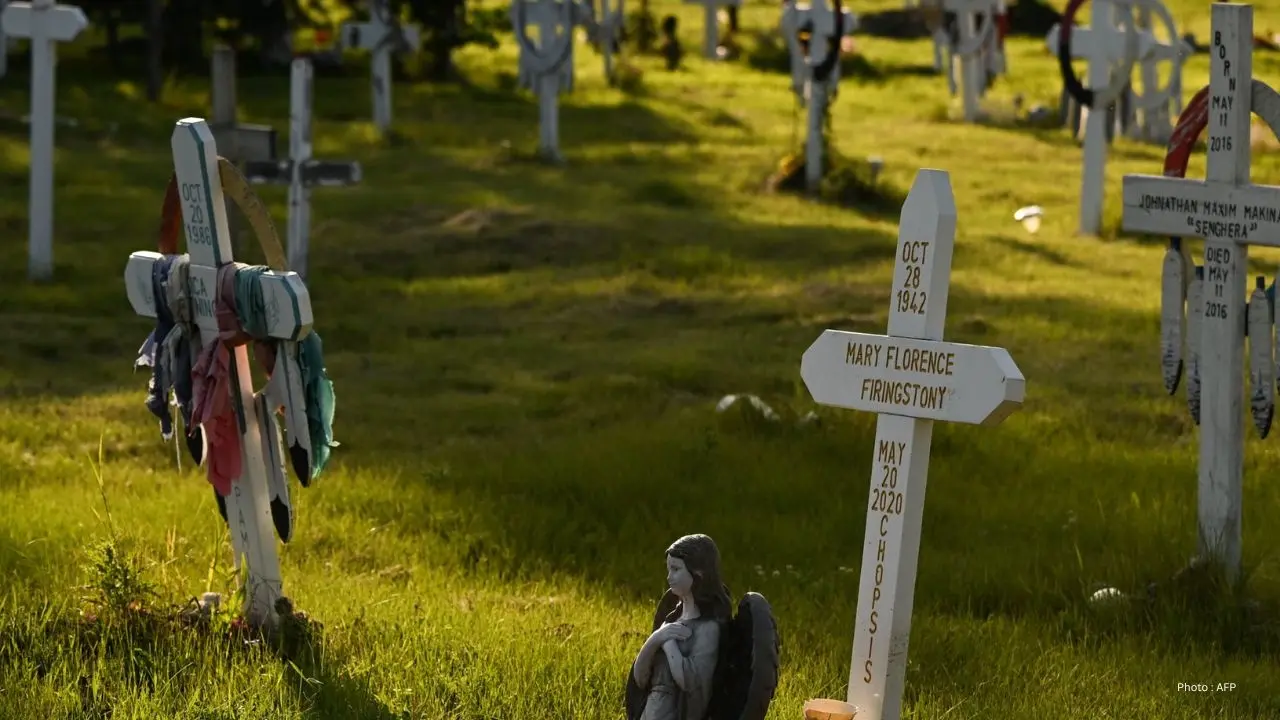
Survivors of Canada’s residential school system are raising urgent concerns as thousands of testimonies describing abuse may soon be permanently destroyed. Indigenous communities and advocates say the loss of these records could damage an important part of the country’s effort to confront its colonial past.
The testimonies were collected from about 38,000 former students who spoke about their experiences of physical, emotional, and sexual abuse in government-funded and church-run residential schools. These schools operated across Canada from the late 1800s until the 1990s, forcing more than 150,000 Indigenous children to leave their families and communities.
Many survivors described harsh punishments, neglect, and cultural suppression, including being beaten for speaking their native languages. The system was later described as “cultural genocide” by the Truth and Reconciliation Commission of Canada, which investigated the history and impact of the schools.
However, a 2017 ruling by the Supreme Court of Canada ordered that these testimonies be destroyed after 10 years to protect the privacy of those who shared their stories. Survivors were promised confidentiality when they gave their statements as part of a compensation process.
Now, survivors have until September 19, 2027, to request that their personal records be preserved. Only the individuals who gave testimony can make this request, meaning that if a survivor has passed away, their records will automatically be destroyed.
Advocates say many survivors are not aware of this deadline. Indigenous leaders and organizations argue that the federal government has not done enough to inform people or help them protect their testimonies. They warn that destroying these records could erase valuable evidence of abuse and make it harder for future generations to understand the truth.
Experts also say the documents may contain important information about crimes committed in the residential school system. Some believe that destroying such records could go against international principles related to preserving evidence of human rights violations.
Despite the concerns, the government has stated that it must follow the court’s decision. Officials say they are preparing materials to raise awareness about the deadline but cannot change the ruling without further legal action.
The issue has also sparked efforts to preserve history in other ways. Journalists, researchers, and Indigenous groups are working to build independent archives to collect and protect survivors’ stories before they are lost.
For many families, these testimonies are not just legal documents but personal histories. They provide a way for children and grandchildren to understand what their relatives experienced and how it shaped their lives.
As the deadline approaches, survivors and their supporters continue to call for stronger action to ensure that these voices are not erased. They argue that preserving these records is essential not only for justice but also for healing and reconciliation in Canada.