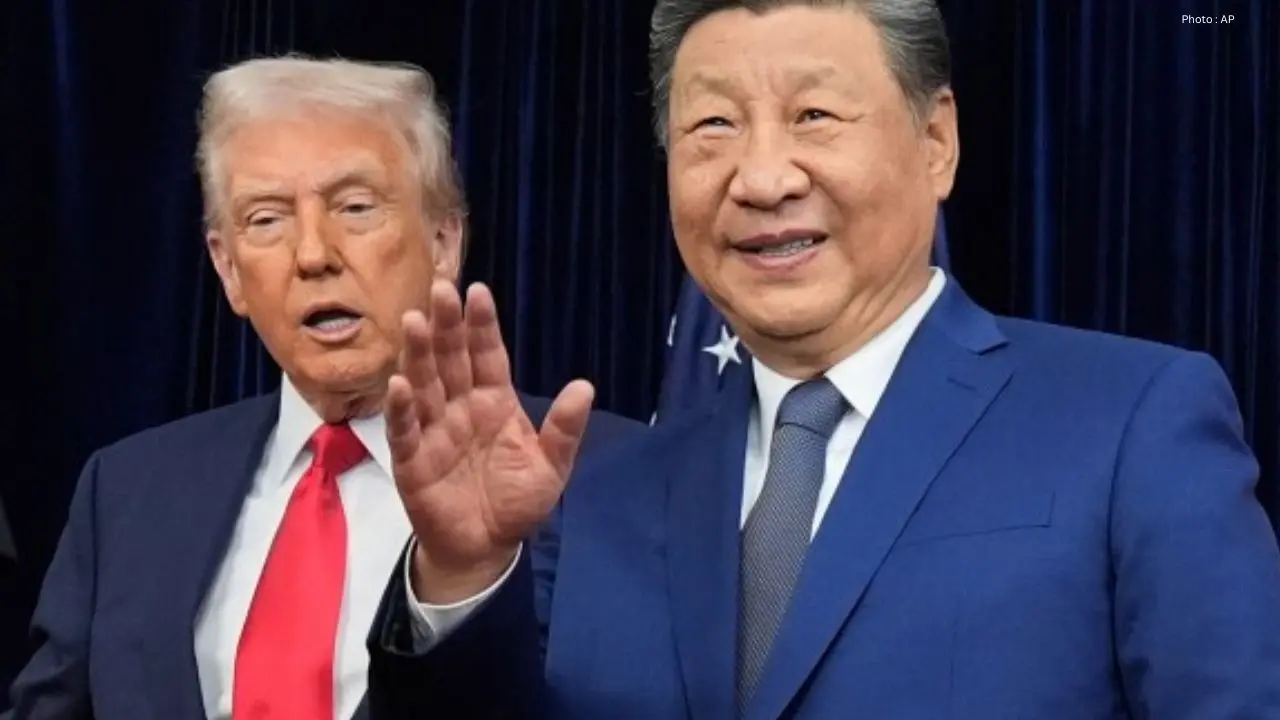
A prominent Pacific regional environmental body has announced that the United States cannot depart without adhering to a formal exit procedure. This assertion follows President Donald Trump's announcement of plans for the U.S. to leave the Secretariat of the Pacific Regional Environment Programme, known as SPREP, among numerous international entities.
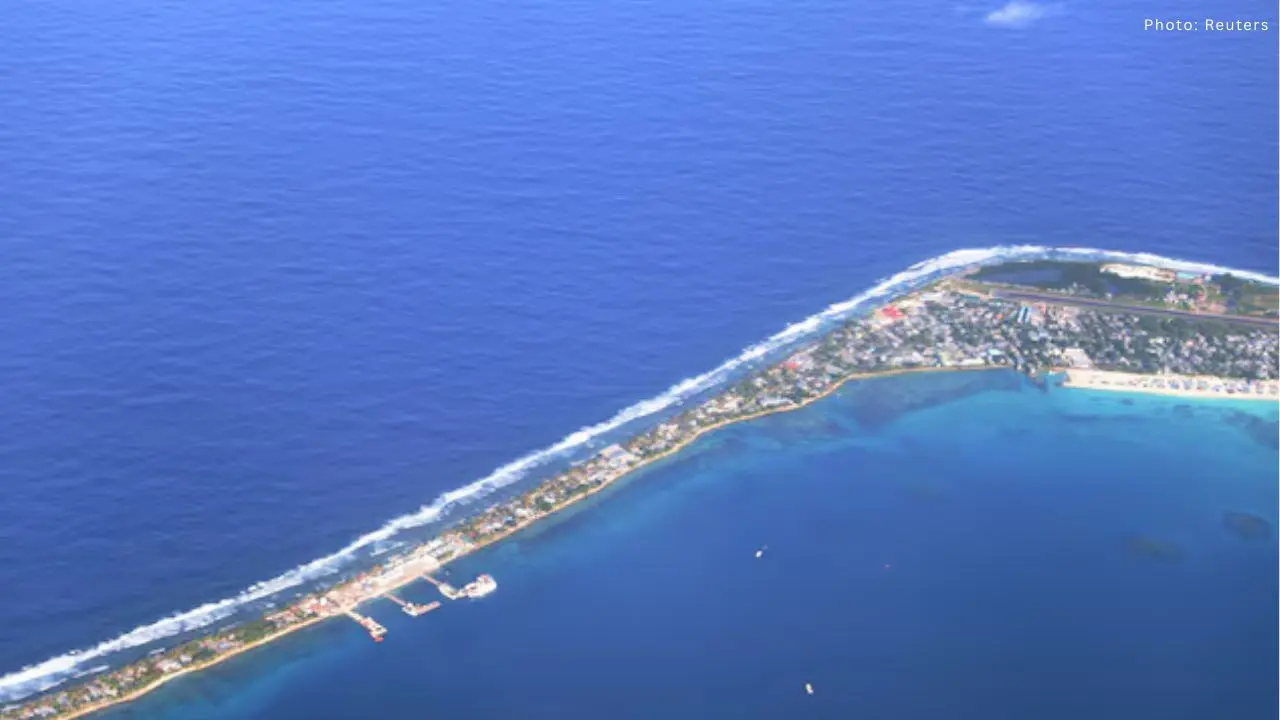
Located in Samoa, SPREP has played a significant role in assisting Pacific island nations in their environmental protection efforts. These nations are considered particularly vulnerable to the impacts of climate change, facing threats such as rising sea levels, intensified storms, and coastal flooding that jeopardize their homes, food sources, and even their very existence.
SPREP provides its members with valuable support, enabling them to participate in global climate discussions and implementing programs focused on pollution control, disaster preparedness, and early warning systems for extreme weather events. Additionally, SPREP assists countries in readiness for potential oil spills and other ecological crises.
According to SPREP Director-General Sefanaia Nawadra, the U.S. remains a full member until it completes the formal withdrawal process. He stressed that there are established regulations for exiting SPREP, and these must be followed meticulously. As of now, the United States is still recognized as a member nation.
Historically, the United States has offered both financial and technical assistance to SPREP. While such support has been significant, Nawadra highlighted that other partner countries are anticipated to help ensure the continuation of the organization’s operations. Other principal contributors to SPREP include Australia, the UK, New Zealand, France, and China, which has provided limited funding in recent years.
SPREP employs over 150 staff across multiple Pacific nations, including Fiji, Vanuatu, the Solomon Islands, and the Marshall Islands. The organization's efforts greatly impact local communities by safeguarding oceans, coastlines, and households from environmental threats.
There are concerns among Pacific leaders that a U.S. exit may diminish American presence in the region. A government minister of a Pacific nation privately remarked that withdrawing from regional alliances could enable China to fortify its influence in the Pacific, where it has already broadened its connections.
The relationship between the United States and Pacific nations is further strained due to recent travel limitations. Soon, several islands, including Fiji, Tuvalu, Tonga, and Vanuatu, will experience increased costs and stricter entry rules into the United States, raising worries among Pacific leaders about future U.S. engagement.
For the Pacific island nations, climate change is not a remote concern; it is a pressing issue impacting daily life. Organizations like SPREP are vital in aiding these countries to safeguard their environment and strategize for the future. The approach the United States takes regarding its potential exit from SPREP will significantly impact both environmental collaboration and political dynamics in the Pacific region.