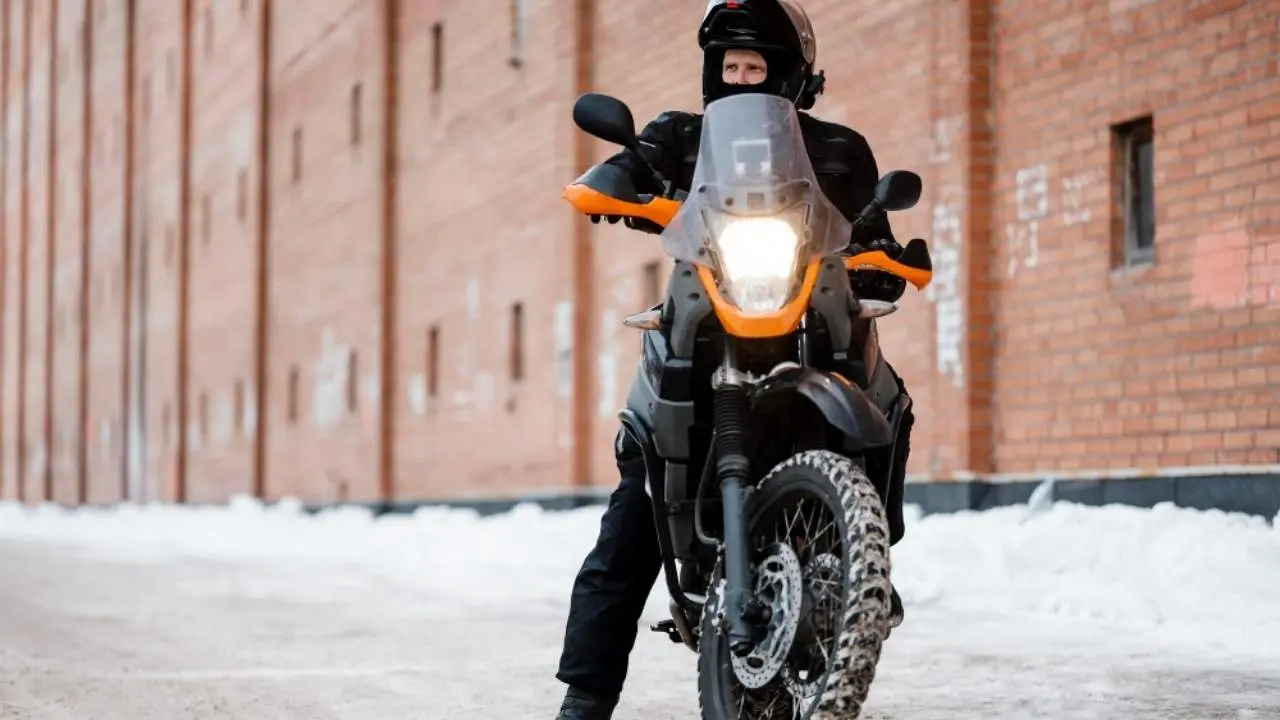
Beat the Chill: Essential Tips for Winter Motorbike Riding
Winter arrives with its crisp mornings, presenting challenges for motorcyclists. Those commuting for work, delivering goods, or embarking on long journeys face biting cold winds that can hinder comfort and safety.
Riders often experience numb hands, stiffness, and dwindling focus as they navigate chilly conditions. Many assume the best solution is investing in expensive winter gear, but the secret lies more in effectively blocking the cold wind than simply piling on layers.
Adopting a few simple changes can transform your winter riding experience, making it both safer and more enjoyable.
Why Wind Chill Affects Riders More
Unlike cars, where a driver is shielded from direct wind, motorcyclists are fully exposed. As they ride, cold air continually bombards their bodies, hastening heat loss.
This phenomenon, known as wind chill, causes winter temperatures to feel drastically lower while riding than standing still. Consequently, areas like the chest, neck, hands, and legs become vulnerable, leading to discomfort and fatigue over prolonged exposure.
The Key Trick: Wind Protection
Rather than relying solely on thick clothing, the focus should be on blocking the cold wind.
Many riders opt for heavy attire which initially seems warm but may allow cold air to seep in through gaps over time, resulting in quick heat loss. The objective should be to wear a light wind-blocking layer close to the skin.
Such a layer traps natural body heat while preventing cold air from making contact with the skin.
Simple Items to Block Wind
No need for expensive gear—just use items you likely already have:
-
A thin windproof jacket underneath a regular outer jacket
-
A rain-resistant layer for extremely cold days
-
A properly tied scarf or neck warmer to block airflow
These lightweight solutions allow for freedom of movement while keeping the warmth in.
Why This Method Is Superior
Bulky clothing can lead to discomfort and reduced flexibility needed for agile riding. Furthermore, thick layers might not seal adequately against wind entering through zippers or loose fits.
With the wind successfully blocked, even lighter attire becomes effective at maintaining warmth. Riders often report being warmer with less gear once wind exposure is curtailed.
Attention to Hands and Feet
Cold extremities are not just uncomfortable but also a safety hazard.
When hands are icy and stiff, maintaining a firm grip on handlebars becomes challenging, impacting control. Similarly, cold feet can jeopardize balance when starting or stopping the bike.
Helpful strategies include:
-
Wearing thin gloves within riding gloves
-
Choosing socks that keep out drafts, rather than just relying on thickness
-
Opting for shoes that ensure circulation, avoiding tight fits
Enhancing blood flow proves critical for maintaining warmth in hands and feet.
Staying Warm Enhances Alertness
The cold can rapidly deplete stamina, as the body expends extra energy to regulate temperature, leading to quicker fatigue. Tired riders are prone to distractions and delayed reactions in traffic.
By blocking frigid winds, riders conserve energy, remaining alert, particularly important on longer journeys or at night.
Additional tips for comfort include:
-
Taking short breaks on extensive rides
-
Sipping warm beverages before hitting the road
-
Ensuring adequate rest prior to early morning trips
Comfort Equates to Safety
Many riders merely accept winter discomfort as part of riding, a mindset that can prove detrimental. Cold-induced stress can impair decision-making on the road.
Implementing methods to stay warm can noticeably enhance road safety.
Effective for the following riders:
These strategies are budget-friendly and applicable to all motorcyclists.
A Small Change, Big Rewards
Winter riding shouldn’t mean battling discomfort or worry. Concentrating on blocking cold wind instead of layering heavy clothing can result in smoother, safer rides.
This straightforward motorbike tip illustrates how intelligent modifications often surpass costly investments. With the right mindset, winter riding can be enjoyable, secure, and comfortable.
Disclaimer
This article serves solely for informational purposes. The insights provided stem from collective riding experiences and safety practices. They do not replace professional guidance or the use of certified safety equipment. Always adhere to traffic regulations and safety precautions while riding in cold conditions.