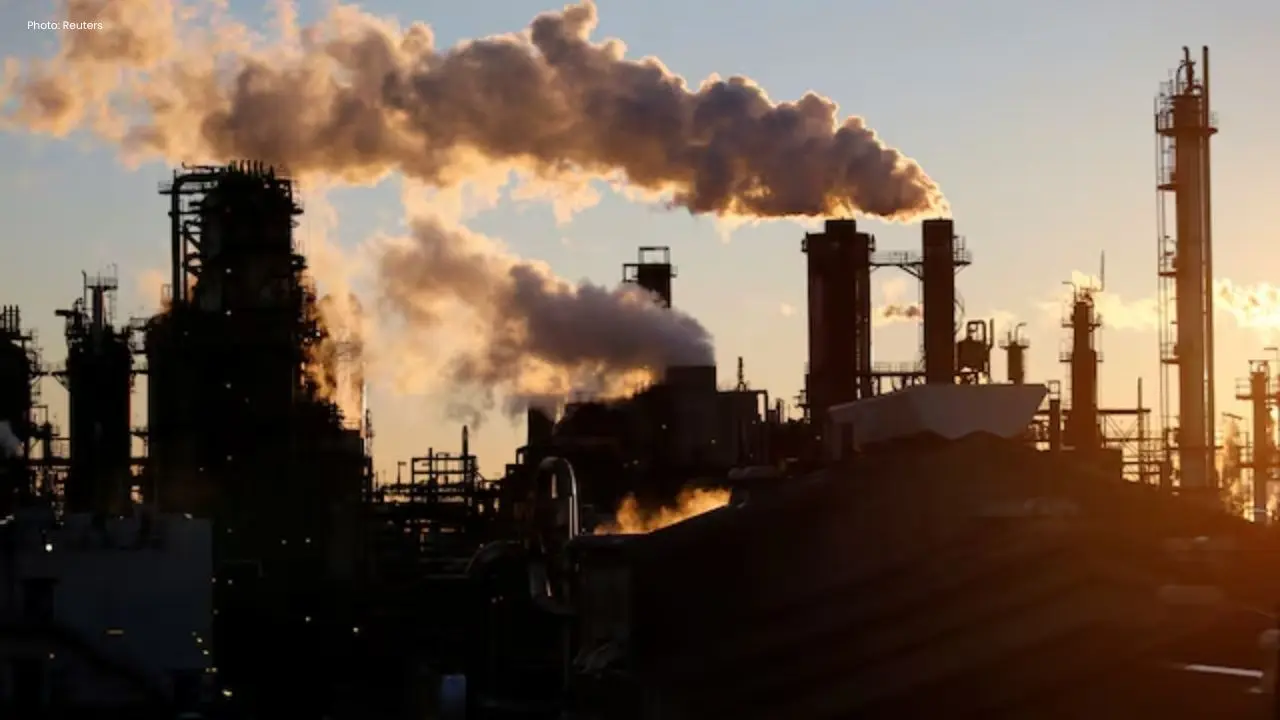
Japan has reached a historic low in greenhouse gas emissions for fiscal year 2024, marking a pivotal achievement in its climate agenda. Government statistics reveal emissions dropped by 1.9% year-over-year, continuing a consistent decline.
Total emissions were recorded at 1.046 billion metric tons of carbon dioxide equivalent, a decrease from 1.067 billion tons the year previous. This represents the third straight annual drop and the lowest level since monitoring commenced in 1990.
The fall in emissions can largely be attributed to lowered energy consumption in manufacturing and a noticeable shift toward cleaner energy options. The rise of renewable resources and the gradual revival of nuclear power played crucial roles in this reduction.
Breakdown of emissions by sector indicates a 2.5% decline in industrial emissions, with household emissions down by 0.7%. The transportation sector also saw a reduction of 1.6%, even as emissions from commercial and service sectors experienced a minor uptick.
Japan aims to slash greenhouse gas emissions by 46% from 2013 levels by the year 2030. With the latest data indicating a 24.9% reduction since 2013, progress towards this ambitious target is evident.
The nation’s energy mix is evolving, with renewable energy now accounting for 23.1% of its electricity generation and nuclear energy contributing 9.4%. While dependence on thermal power is declining, it continues to be a significant energy source.
Experts highlight that Japan’s emissions had risen sharply after the 2011 Fukushima disaster due to increased fossil fuel use. However, the recent transition towards cleaner energy signifies the country’s committed approach to sustainability and long-term climate objectives.