Exploring Turkish Sweets: Baklava, Kunefe, Lokum Insight
Famed for their indulgent flavors and rich heritage, Turkish desserts like baklava, kunefe, and lokum are much more than sweet treats; they embody the cultural essence of Turkey. Emerging from Ottoman culinary traditions, these delicacies are integral to celebrations, family gatherings, and casual tea moments. This guide delves into the specifics of each dessert, detailing their ingredients, taste profiles, textures, price ranges, and suitable occasions for enjoying them, making it perfect for food enthusiasts and travelers alike.
What Sets Turkish Desserts Apart?
Turkish desserts emphasize textures and aromatic flavors, leveraging nuts, dairy, filo pastry, sugar syrup, and floral notes like rose and orange blossom. Unlike many Western desserts that prioritize chocolate and buttercream, Turkish sweets treat sweetness with syrup rather than integrated sugars, which creates a shiny appearance and potent flavor. They are often served in smaller portions due to their richness.
A Closer Look at Baklava
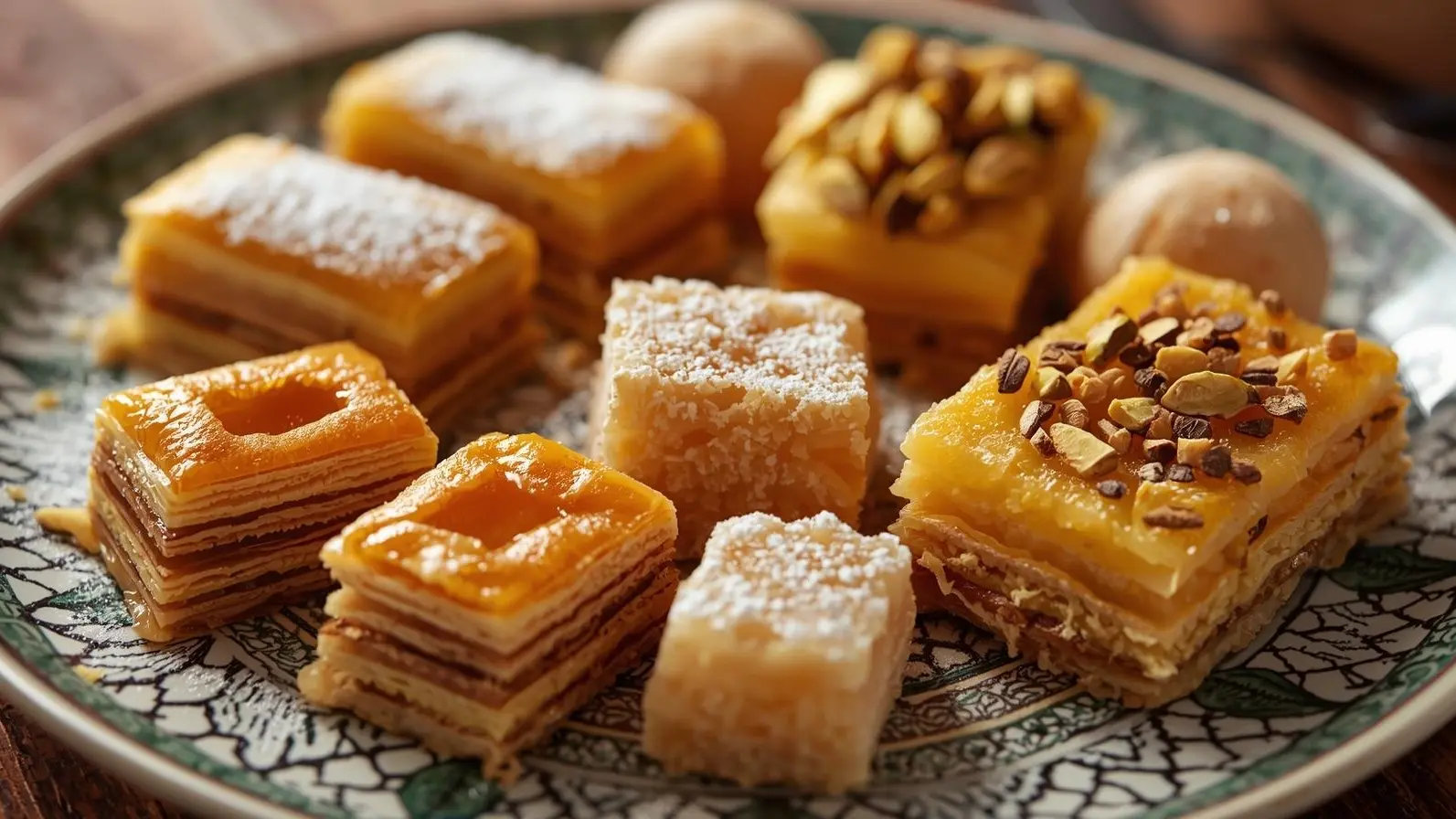
As the most iconic Turkish dessert, baklava symbolizes the pinnacle of Ottoman culinary artistry. Constructed with layers of ultra-thin filo pastry brushed with butter and enriched with finely chopped nuts, it is then soaked in syrup after baking.
The classic version utilizes pistachios from Gaziantep, though walnuts and hazelnuts make frequent appearances as well. Authentic baklava should feature a crisp exterior, soft interior, and a balanced sweetness, enhanced by a hint of lemon in the syrup to avoid sogginess. Typically cut into diamond or square shapes, it is best enjoyed at room temperature.
Baklava finds its place on tables during festive occasions, weddings, and other celebrations, often complemented by Turkish tea or black coffee to counterbalance its sweetness.
Common Varieties of Baklava
The classic pistachio baklava reigns supreme in popularity, while walnut baklava is widely available in local bakeries. Şöbiyet, a softer cream-filled variant, offers a richer taste experience. A more contemporary take, cold baklava, is served chilled and features milk-based syrup and cocoa, providing a lighter option.
Understanding Kunefe
Kunefe offers a unique dessert experience compared to baklava. Composed of shredded filo pastry known as kadayif and layered with soft, unsalted cheese, it is baked until crispy and lightly soaked in syrup.
To enjoy kunefe at its best, it must be served warm to keep the cheese melty and stretchy, typically garnished with crushed pistachios for added flavor and texture.
The taste strikes a balance between sweet, salty, and creamy notes, making kunefe one of the most decadent Turkish desserts to savor.
Usually consumed fresh after meals, kunefe’s texture diminishes if left to cool, adding to its popularity especially in the southern regions of Turkey.
How Kunefe Stands Apart from Other Desserts
Kunefe differentiates itself by not being excessively sweet, thanks to the savory nature of the cheese. This aspect makes it appealing to those who usually avoid overly sugary desserts. Due to its filling nature, smaller serving sizes are recommended.
Discovering Lokum
Lokum, widely known as Turkish delight, is a soft and chewy sweet confection crafted from sugar, starch, and a variety of flavorings. With a jelly-like consistency, it is cut into small cubes, often shaken with powdered sugar or sprinkled with coconut flakes.
Classic flavors encompass rose, lemon, orange, and mastic, while modern versions experiment with pistachio, hazelnut, pomegranate, chocolate, and coffee.
Lokum offers a lighter alternative to baklava or kunefe, ideal for pairing with Turkish tea or coffee. Its appeal as a gift comes from its decorative packaging and long shelf life.
High-quality lokum should exhibit tenderness and elasticity, melting in the mouth without a sticky or rubbery texture.
When to Enjoy Lokum
Lokum is commonly presented to guests as a gesture of hospitality, making it a staple during casual visits, tea occasions, and religious celebrations. Unlike the richer baklava and kunefe, lokum can be sampled in moderation on multiple occasions.
Comparative Tasting Notes
When it comes to textures, baklava is crispy and syrupy, kunefe offers a satisfying crunch outside with a creamy interior, and lokum is soft and chewy, providing gentle sweetness. While baklava delivers intense richness, kunefe seduces with decadence, and lokum charms with lightness.
Sweetness Spectrum
Among the trio, baklava is the sweetest due to its heavy syrup and nut content. Kunefe's moderate sweetness is complemented by cheesy undertones, while lokum presents a milder, more understated flavor, perfect for those preferring less sugary treats.
Availability and Cost Breakdown
Baklava typically offers a moderate price point and is easily found in various bakeries and dessert shops. Kunefe tends to be pricier, attributed to its fresh preparation and cheese component. Lokum generally remains the most cost-effective option, often sold by weight in specialty markets.
Best Desserts to Start With
For newcomers, pistachio baklava serves as the quintessential introduction to Turkish dessert tradition. Kunefe appeals to those seeking a warm dessert with cheesy flavors, while lokum shines as an ideal gift choice or companion to tea and coffee.
Common Pitfalls in Choosing Turkish Desserts
Purchasing baklava from lower-quality establishments often leads to overly sweet and greasy results. Opting for kunefe as a takeaway option diminishes its quality, while selecting lokum infused with artificial flavors risks disappointing first-time buyers.
Conclusion
Turkish desserts encapsulate a deep-rooted culinary lineage marked by craftsmanship and hospitality. While baklava signifies tradition and indulgence, kunefe conveys warmth, and lokum exemplifies elegance. This understanding enriches the experience, transforming each bite into a shared cultural appreciation.
Disclaimer
This article serves informational purposes only. Variations in ingredients, preparation methods, and sweetness levels may differ by region and dessert purveyor.