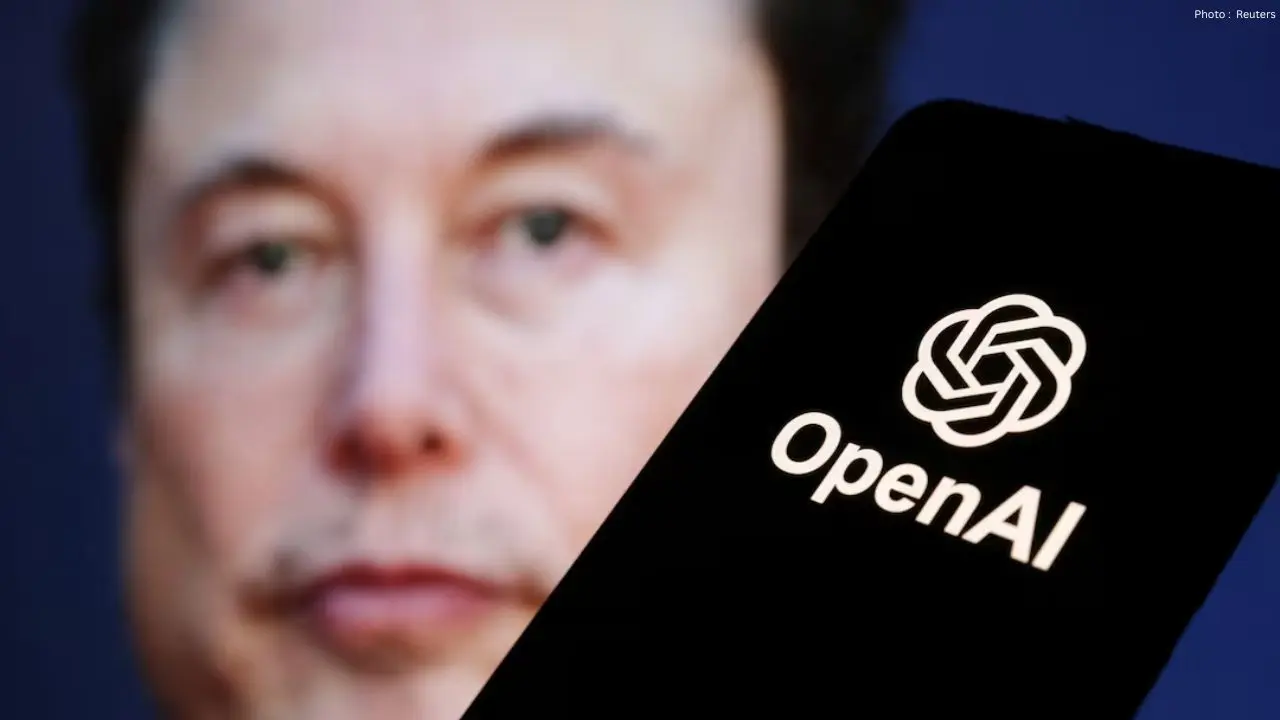
A significant ruling has emerged from a US court regarding the ongoing legal battle between Elon Musk and OpenAI. The presiding judge has dismissed the fraud charges leveled by Musk, yet the trial will persist, focusing on other pivotal matters at stake.
This case is being adjudicated in a federal court within the United States. The judge found that the evidence supporting the fraud accusations was inadequate to advance. Nonetheless, remaining claims in the lawsuit, such as issues surrounding trust and commitments from the company, will continue to be explored during the proceedings.
Elon Musk, a co-founder of OpenAI, has expressed concerns that the organization has strayed from its foundational mission. He claims OpenAI was initially established as a nonprofit dedicated to benefiting humanity but has since shifted towards a profit-oriented approach, contradicting its original vision.
Conversely, Sam Altman and OpenAI have pushed back against Musk's allegations. They contend that structural changes within the organization were essential to secure funding and foster innovations in advanced AI technologies. They emphasize that substantial investments are vital for competitiveness and progress in this sector.
The dismissal of the fraud allegations marks a noteworthy development in this case. Fraud claims are serious and necessitate solid proof of deliberate misconduct. The removal of this aspect has allowed the court to concentrate on other crucial inquiries.
The trial will further investigate whether OpenAI remained loyal to its founding principles and addressed its transformation with fairness and transparency. These matters touch on critical topics of trust, accountability, and the tech industry's societal responsibilities.
This case has garnered international attention due to its involvement of influential figures and a leading player in AI. It also prompts broader discussions on the ethical development and management of artificial intelligence. As AI technology evolves, public concern regarding ethics and accountability continues to rise.
The trial's outcome could set significant precedents for the technology sector, potentially influencing companies on how to negotiate public interests against profit motives. Additionally, it may affect the structure and regulation of future AI enterprises.
This decision illustrates the essential role that courts play in mediating disputes in fast-evolving fields like technology. Even with one component of the case dismissed, the remaining issues at hand carry significant weight and will attract close scrutiny.
As both parties gear up for the coming months, the trial is set to continue to unfold, with the conclusions drawn possibly defining not only OpenAI’s trajectory but also the future course of the global AI landscape.