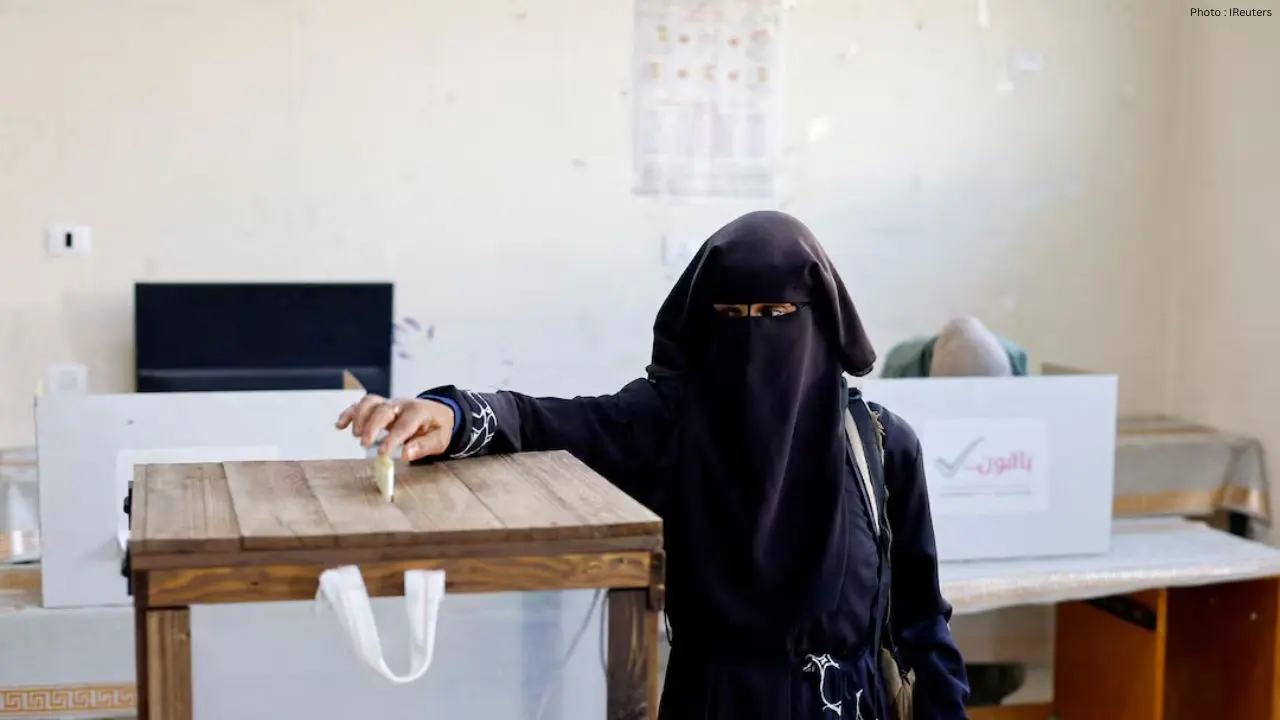
The local elections occurring in Palestinian territories have granted residents of the Gaza Strip an uncommon opportunity to cast their votes after years of absence. This electoral milestone is viewed as a crucial development, despite the enduring struggles of conflict, political rifts, and economic difficulties.
For many Gazans, this represents their first voting experience in nearly two decades, with prior elections having been postponed or obstructed due to tensions among political factions and persisting hostilities. The latest voting event, which took place in selected regions like Deir al-Balah, forms part of a broader initiative by the Palestinian Authority aimed at revitalizing democratic engagement.
These local elections focus on municipal and city leadership instead of national governance, with elected bodies handling essential services such as water supply, waste management, and infrastructure development. This is particularly significant in a region where war has severely damaged vital facilities.
Nevertheless, organizing these elections faces multiple hurdles. The existing political schism between the Palestinian Authority, which oversees parts of the West Bank, and Hamas, influential in Gaza, complicates nationwide voting efforts. Although Hamas officially opted out of the elections, some candidates tied to the organization are still in the running.
The electoral timing is particularly critical, following a series of conflicts, including the war that erupted in 2023. Substantial areas of Gaza have suffered extensive damage, leading to widespread displacement. Conducting elections under such challenging conditions is no simple task, necessitating the careful setup of polling stations, often in makeshift locations, to enable voter participation.
In spite of these obstacles, over a million voters were eligible to participate in various locations. For many, this election is more than just a chance to select local leaders; it represents an opportunity to reclaim their voices after prolonged silence. It embodies a glimmer of hope and engagement, even if its immediate effects may be limited.
Public trust and voter turnout are additional concerns. Many citizens express dissatisfaction with the political landscape and the sluggish pace of improvement in living conditions. In some areas, election competition was minimal, with candidates from only one group standing, diminishing the perception of choice.
International observers and neighboring stakeholders are closely monitoring these elections, viewing them as a potential catalyst for broader political reforms, including future legislative and presidential elections. However, achieving this aspiration will necessitate fostering deeper political harmony and stability.
The elections also highlight a more significant issue within Palestinian political life. The absence of regular voting has widened the gap between elected officials and the populace. Restoring that trust will require consistent initiatives over time.
Despite the numerous challenges, these elections hold symbolic weight. They demonstrate that pathways to democratic engagement remain viable, even amidst hardship. For the people of Gaza, having the opportunity to vote is a reaffirmation of their fundamental right to be heard.
The future remains ambiguous. Ongoing political divisions, security challenges, and economic constraints continue to shape everyday life. However, these elections could represent a modest stride toward rebuilding local governance and empowering citizens to shape their destinies.