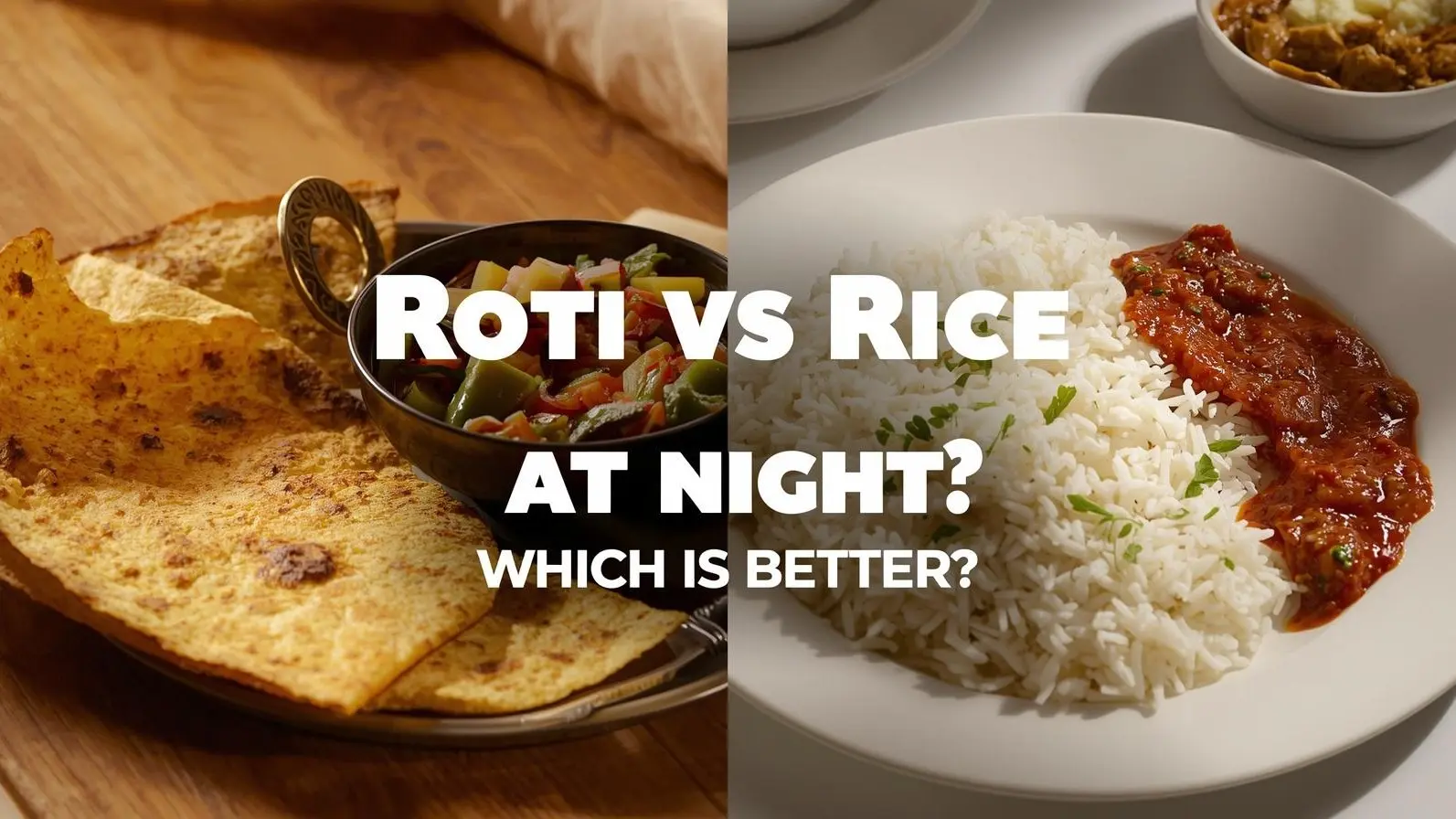
Roti vs Rice: The Best Option for Nighttime Digestion?
Dinner often stirs discussions regarding digestion and weight issues. A common query arises: is roti or rice the better option at night? Both are staples in Indian cuisine, yet they impact the body differently—especially in the evening.
There isn’t a definitive answer as the choice between roti and rice for dinner hinges on factors like your personal digestion, lifestyle, and portion control. However, understanding their digestive effects can assist in making healthier choices for sleep and stomach health.
Understanding Digestion at Night
During the night, metabolism slows down as your body gears for rest, making digestion less active. Experts suggest choosing lighter, easily digestible options for dinner.
Consuming heavy meals before bed can lead to bloating, discomfort, and disrupted sleep. Consequently, it’s essential to focus on how well your body can process roti or rice rather than simply picking one over the other.
Roti: A Consideration for Nighttime Consumption
Roti, crafted from whole wheat flour, is abundant in fiber and complex carbohydrates, which means it digests slowly and provides energy gradually.
Consuming roti at night can enhance feelings of fullness and potentially curb overeating, making it viable for those monitoring weight or blood sugar levels.
That said, its dense nature may cause some individuals to feel overly full or heavy when consumed in larger quantities at night.
Rice: A Quick Digest Option
Rice, particularly white rice, is easier to digest and low in fiber—making it a go-to for those experiencing digestion challenges.
Choosing rice at night offers a light meal option that will not linger in the stomach for long, thus facilitating a more comfortable night's sleep.
However, its quick digestion might translate to feeling hungry sooner, alongside a faster spike in blood sugar compared to roti.
Assessing Which Is Lighter
If the aim is light digestion at night, rice is usually deemed the lighter alternative, well-suited for those prone to discomfort.
Conversely, roti offers more fiber yet can feel heavier; even though it keeps you satiated longer, it may not provide the same lightness as rice.
Weight Management Considerations
For weight management, roti might hold the advantage due to its ability to deliver steady energy and prolonged satiety.
On the other hand, rice’s lightness could lead to quicker feelings of hunger, necessitating careful portion control to avoid excessive snacking. Ultimately, portion size significantly influences outcomes—overeating either can derail your goals.
Influence on Sleep Quality
Your dinner selection has a direct impact on your sleep quality. Heavy meals can disrupt rest, while lighter options encourage better sleep.
Many people prefer rice for easy digestion and better sleep, while roti suits those needing a more filling meal to avoid late-night hunger.
Personalized Choices Matter
No singular rule dictates if roti is categorically superior to rice. Individual body types, digestive strengths, and lifestyles play significant roles.
If experiencing sensitivity in digestion, rice may be favorable. Conversely, if you require lasting energy and fullness, roti may be your best bet.
Optimal Ways to Enjoy Roti or Rice at Night
Rather than fixating on just roti or rice, it’s vital to pair your meal with sufficient vegetables, proteins, and appropriate portions.
Mindful eating with smaller portions, avoiding late dinners, and simple meal combinations can enhance nighttime digestion and gut health. Merging carbs with fiber and protein facilitates slower digestion and equilibrium.
Avoiding Common Pitfalls
Overeating at night or combining heavy items can provoke discomfort. Large servings of either roti or rice can result in bloating.
Another frequent error is eating too late, as it’s crucial to allow the body time for digestion before settling down for the night.
Prioritize Smart Choices Over Strictness
When deciding on roti versus rice for dinner, the ideal choice depends on your personal requirements. Rice is lighter and easier to digest, while roti delivers extended satiety and stable energy.
Instead of rigidly picking one, prioritize portion sizes, meal timing, and balanced nutrition. This strategy leads to improved digestion, restful sleep, and overall wellness.
Disclaimer
This content serves informational purposes and reflects general nutrition insights. Individual needs may vary; consulting a qualified nutritionist or healthcare professional is recommended for personalized dietary advice, particularly when health conditions are present.