Introduction: An Immortal Legend Takes His Final Bow
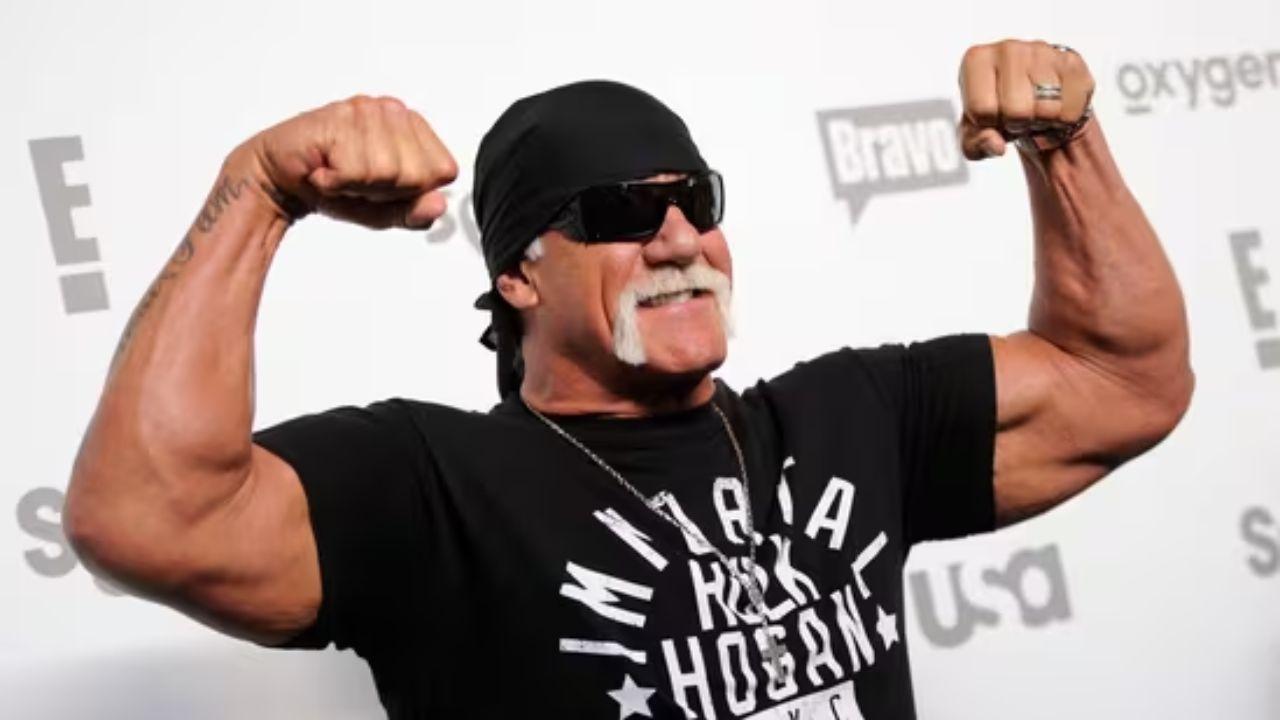
The world of professional wrestling and popular culture has been shaken to its core by the death of Terry Bollea, the man who became a global icon under the name Hulk Hogan. The towering figure, whose mantra of "training, prayers, and vitamins" and whose legion of "Hulkamaniacs" turned wrestling from a niche spectacle into a worldwide entertainment empire, passed away on Thursday, July 24, 2025. He was 71. Hogan died of a cardiac arrest at his home in Clearwater, Florida, bringing an end to a career and a life that was as bombastic, influential, and complex as the character he portrayed.
Hogan was the undisputed face of wrestling's golden age in the 1980s, a real-life superhero in red and yellow who headlined the first-ever WrestleMania and carried the WWE to unprecedented global fame. He later engineered one of the most shocking and successful reinventions in entertainment history, shedding his heroic persona to become the villainous leader of the New World Order (nWo). A two-time WWE Hall of Famer, actor, television personality, and cultural touchstone, Hogan's legacy is etched into the very fabric of modern entertainment. His passing is not just the loss of a man, but the end of a cultural era defined by "Hulkamania."
A Titan's Final Battle: Health Struggles and Sudden Passing
The news of Hogan's death sent shockwaves through the public, in part due to its suddenness. According to reports, emergency services were called to his residence in Clearwater, Florida, on Thursday morning after he suffered a cardiac arrest. Medics arrived at approximately 9:51 a.m. and administered emergency treatment before transporting him to a nearby hospital, where he was pronounced dead at 11:17 a.m. Authorities have confirmed that no foul play is suspected in his death.
Hogan’s health had been a subject of public concern for years, a direct consequence of a punishing, decades-long career in the wrestling ring. He endured more than 25 major surgeries, including multiple procedures on his back, neck, hips, and knees. The physical toll of his signature leg drop finisher and his larger-than-life style was immense. Despite these ongoing battles, the fatal cardiac arrest was unexpected. His wife, Sky, had recently dispelled rumors that he was in a coma, reassuring fans that his heart remained "strong." This made the news of his passing all the more jarring for his family and the millions of fans who had followed his health journey closely.
The Genesis of a Phenomenon: From Terry Bollea to Hulk Hogan
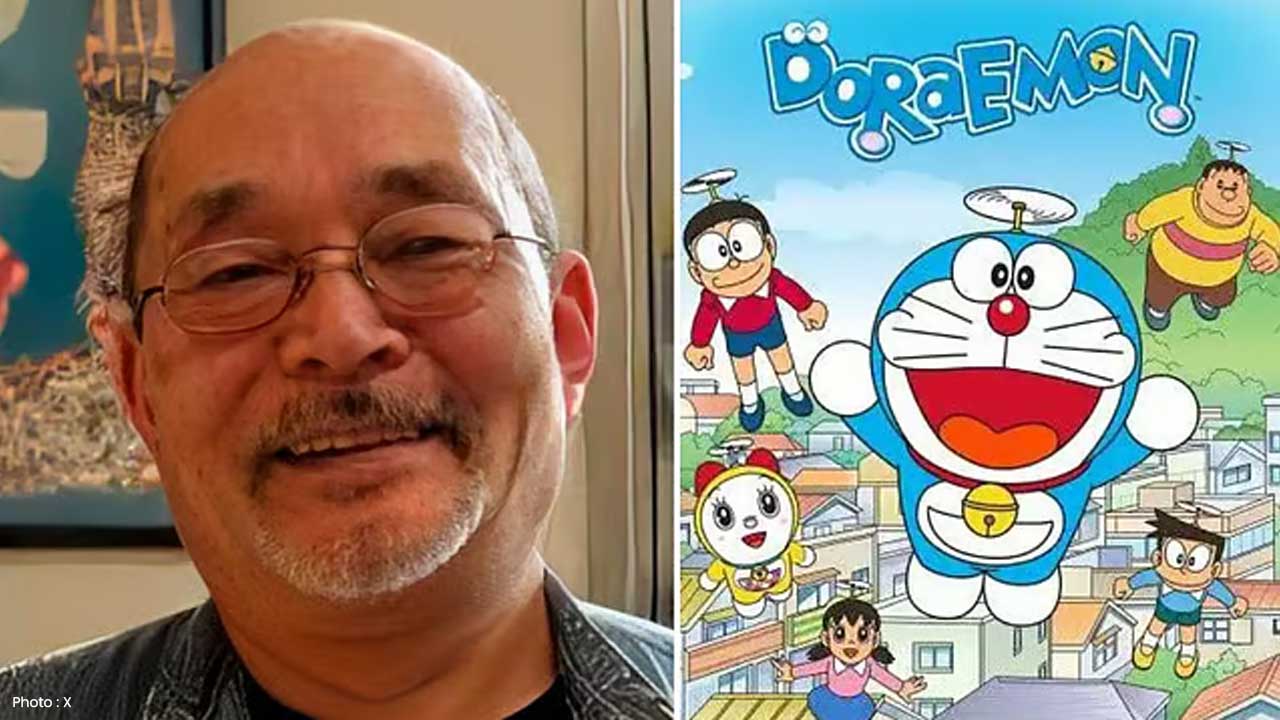
Born Terry Gene Bollea in Augusta, Georgia, in 1953, the man who would become Hulk Hogan showed athletic promise from a young age. He was a talented baseball player before discovering a passion for weightlifting and bodybuilding. Standing at an imposing 6-foot-7, his incredible physique and natural charisma made him a perfect fit for the world of professional wrestling, which he entered in 1977 after being trained by the legendary Hiro Matsuda.
He wrestled under various names in his early years, but it was his appearance and magnetism that caught the attention of WWE owner Vince McMahon Sr. After a screen test for the role of Thunderlips in the 1982 film Rocky III, McMahon Sr. saw the potential for a new kind of superstar. He bestowed upon him the Irish surname "Hogan" and the first name "Hulk," recognizing his superhuman size. The character of Hulk Hogan was born.
Hulkamania is Born: Igniting Wrestling's Golden Era
While his role in Rocky III gave him mainstream exposure, it was his return to the WWE in late 1983 under Vince McMahon Jr. that changed everything. On January 23, 1984, in a moment that is now legendary, Hulk Hogan defeated The Iron Sheik at Madison Square Garden to win his first WWE Championship. The arena erupted, commentator Gorilla Monsoon famously declared "Hulkamania is here!," and the wrestling world was never the same.
This victory launched the "Hulkamania" era. Hogan was presented as the ultimate American hero, a patriot clad in red and yellow. He became a role model for a generation of children, urging his "Hulkamaniacs" to follow his three "demandments": "Train, say your prayers, and eat your vitamins." His pre-match rituals—cupping his ear to soak in the roar of the crowd, pointing defiantly at his opponent, and tearing his signature yellow t-shirt from his torso—became iconic moments of theater.
He was the centerpiece of the "Rock 'n' Wrestling Connection," a collaboration with MTV that propelled WWE into the pop culture stratosphere. He headlined the first nine WrestleMania events, and his epic confrontation with Andre the Giant at WrestleMania III in 1987 is widely considered the most important match in wrestling history. In front of a reported 93,173 fans at the Pontiac Silverdome, Hogan performed the "bodyslam heard 'round the world" on the 500-pound Andre, a feat that cemented his status as a real-life superhero and solidified wrestling's place as a mainstream entertainment spectacle.
The Heel Turn Heard 'Round the World: The New World Order
After dominating the WWE for a decade, Hogan's heroic character began to feel dated. In 1994, he moved to rival promotion World Championship Wrestling (WCW). For two years, he continued his "Real American" gimmick to diminishing returns. Then, on July 7, 1996, at the Bash at the Beach pay-per-view, he executed one of the most shocking character turns in history. He turned his back on the fans, aligning himself with outsiders Kevin Nash and Scott Hall to form the villainous New World Order (nWo).
Trading his red and yellow for black and white, "Hollywood" Hulk Hogan was born. This new, arrogant, and manipulative persona was a stunning success. The nWo became the hottest act in wrestling, propelling WCW to dominate the "Monday Night Wars" against WWE for 83 consecutive weeks. The heel turn not only revitalized Hogan's career but also ushered in the edgier, more realistic "Attitude Era" of wrestling. It proved his incredible versatility and his innate understanding of the business.
A Pop Culture Colossus: Beyond the Ring
Hogan's influence was not confined to the squared circle. He was a true crossover star. His role in Rocky III introduced him to a global audience, and he went on to star in his own films, such as No Holds Barred and Suburban Commando. He was the star of the 1980s cartoon Hulk Hogan's Rock 'n' Wrestling, and in the 2000s, he found a new audience as a reality TV star in the series Hogan Knows Best, which offered a glimpse into his family life.
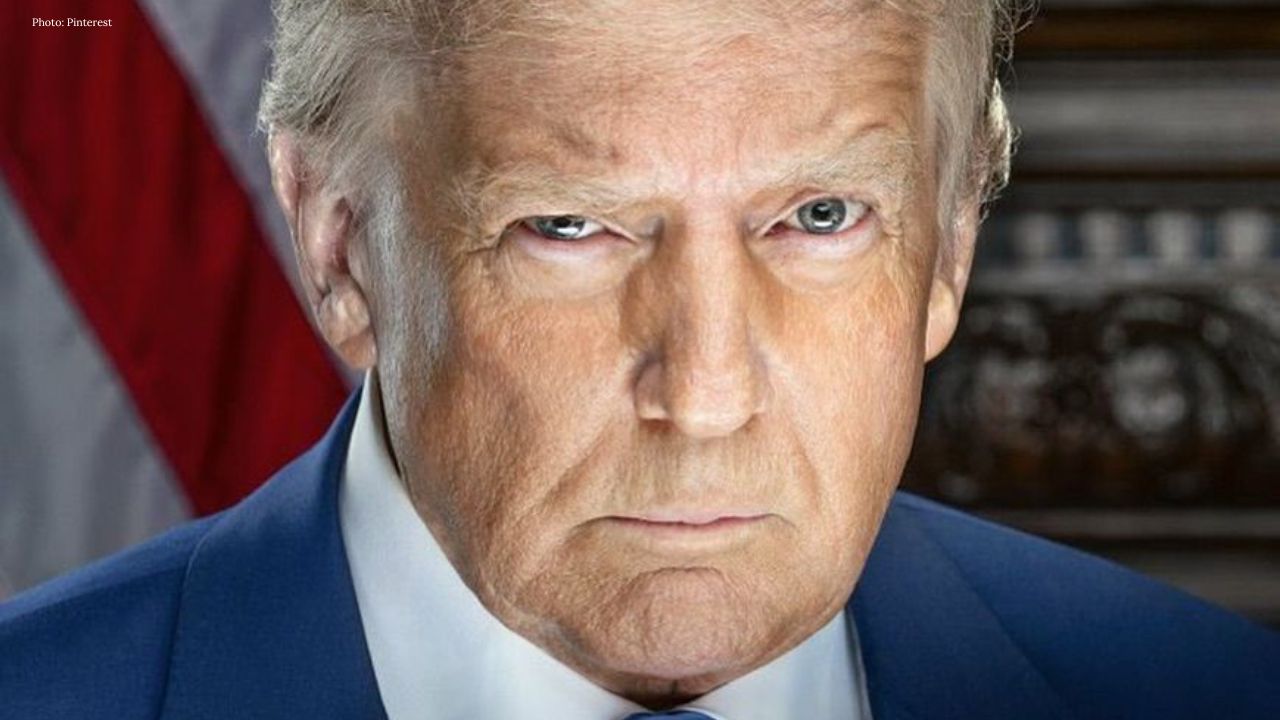
His persona was so pervasive that he became a brand unto himself, endorsing everything from vitamins to video games. Even in his later years, he remained a fixture in the public eye, appearing at events and making headlines, such as his vocal support for Donald Trump during the 2024 Republican National Convention.
A Complicated Legacy: Controversy and Redemption
Hogan's life was not without its share of significant controversies that have complicated his legacy. In the early 1990s, he was at the center of a federal steroid investigation that temporarily tarnished his all-American image. In the 2010s, he was embroiled in a high-profile sex tape scandal that led to a landmark lawsuit against Gawker Media. His victory in that case resulted in the bankruptcy of the media outlet and sparked a national debate on privacy and freedom of the press.
The most damaging controversy came in 2015 when a recording of him using racist language was made public. The fallout was swift: WWE terminated his contract and removed him from their Hall of Fame. Hogan spent the next several years on a public apology tour, expressing remorse for his words. In 2018, after extensive work with community leaders, WWE reinstated him into the Hall of Fame, a move that was met with mixed reactions but acknowledged his efforts toward redemption.
Tributes Pour in for an Icon
The news of Hogan's passing brought an immediate and massive outpouring of grief and remembrance from all corners of the globe.
-
WWE paid tribute to him as "one of the most charismatic and influential Superstars in history," whose name is "synonymous with sports entertainment."
-
Triple H, WWE's Chief Content Officer and a man who wrestled Hogan, stated, "Without Hulk Hogan, the WWE as we know it today would not exist. He was the archetype, the mold from which all modern Superstars are cast."
-
Ric Flair, Hogan's legendary rival, shared a heartfelt message, remembering Hogan not just as a competitor but as a dear friend who supported him during his darkest times.
-
Dwayne "The Rock" Johnson credited Hogan as his childhood hero and the reason he got into the business, calling him "the single most impactful figure in the history of wrestling."
-
Tributes came from Hollywood as well, with Rocky star Sylvester Stallone calling him "a true original, a force of nature in and out of the ring."
-
Even former president Donald Trump released a statement, calling Hogan a "great champion and a great friend."
An Immortal Legacy
Hulk Hogan's impact on professional wrestling and pop culture is, simply put, immeasurable. He was a six-time WWE Champion, a six-time WCW World Heavyweight Champion, and the first man to win the Royal Rumble in two consecutive years. He was inducted into the WWE Hall of Fame twice—first as an individual in 2005, and again in 2020 as a member of the nWo.
But his legacy transcends titles and accolades. He was the man who took professional wrestling out of smoky arenas and into the mainstream consciousness. He was a living, breathing superhero for an entire generation. While the man Terry Bollea was complex and flawed, the icon Hulk Hogan was an immortal force. He leaves behind his wife, Sky, and his children, Brooke and Nick, as well as a world of fans who will ensure that Hulkamania does, indeed, live forever.