Photo:reddit
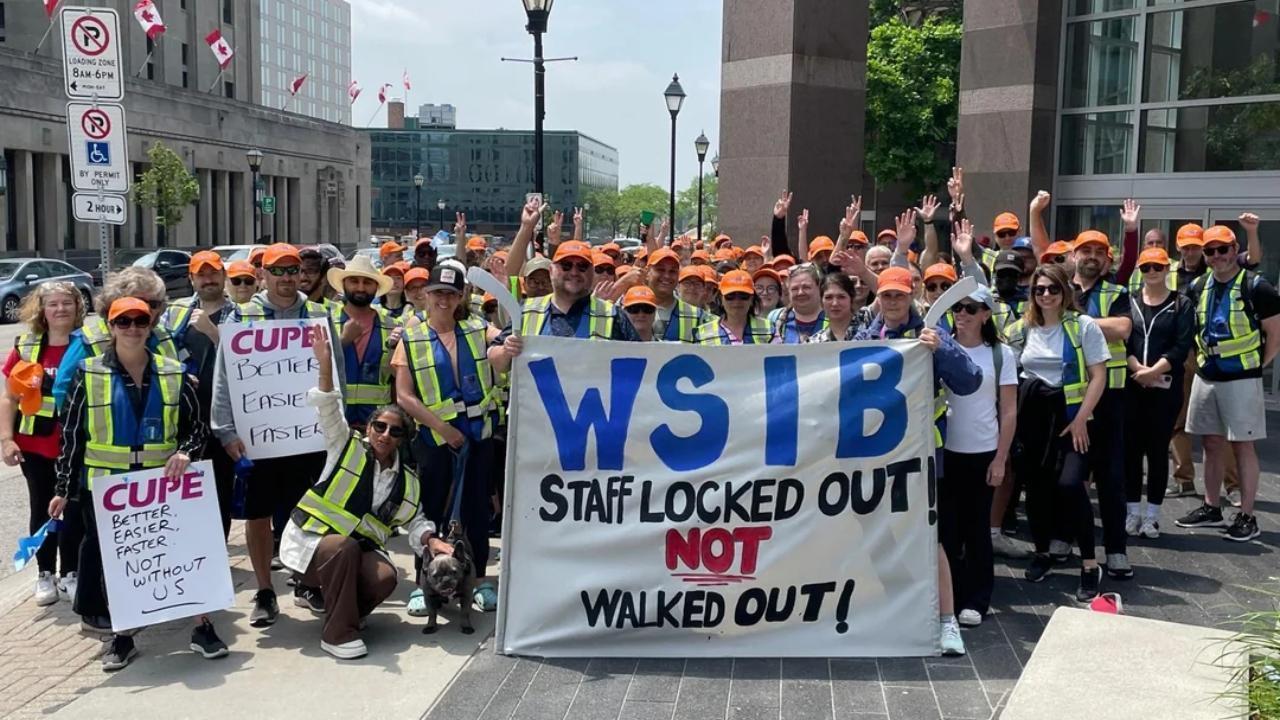
Striking workers at Ontario’s Workplace Safety and Insurance Board (WSIB) have voted to ratify a tentative collective agreement, marking the end of a brief but impactful labour dispute that disrupted services and raised questions about workplace fairness and public service funding. After days of negotiations, the deal brings employees back to work Monday, providing relief to both clients and the workers themselves. The resolution not only restores critical services for injured workers across the province but also offers insights into the evolving landscape of public-sector labour relations in Ontario.
The walkout began with a clear message: WSIB employees, including claim adjudicators, nurses, and administrative staff, demanded fair compensation and improved working conditions after years of wage freezes and increased workloads. Their roles are demanding both emotionally and professionally—managing complex injury claims, guiding workers through recovery and return-to-work processes, and ensuring accurate benefits distribution. The strike underscored the balance between fair pay and service quality—a challenge many public-sector agencies now face amid constrained provincial budgets.
Negotiations between the Crown agency and the Ontario Public Service Employees Union (OPSEU) were tense yet respectful. Over successive rounds, the union highlighted what they described as “stagnant wages,” stretched staffing levels, and insufficient mental health support. Workers reported burnout and delays in claim processing, concerns amplified by a steady increase in workplace accident reports. The board, in turn, emphasized budget limitations and growing demand, signaling the complexity of finding a deal that addressed both fiscal prudence and employee well-being.
The ratified deal reportedly includes modest yet meaningful wage increases—ranging from 5% to 15% depending on job category—phased over three years, along with enhanced benefits like improved mental health coverage and an increase in paid sick leave. The agreement also commits to additional staffing investments and pilot programs aimed at reducing case backlogs, a leading cause of service bottlenecks in recent months. These measures signal a shift toward proactive strategies, focusing on prevention rather than reactive claims processing.
Monday’s return to work is expected to restore service delivery that was disrupted during the strike. Injured workers across Ontario rely on WSIB for timely access to income support, healthcare coverage, and workplace accommodations. The strike caused delays in decisions on claims and communications with clients, raising concerns among injured workers and their advocates about financial hardship and prolonged absence from work. The swift return, then, alleviates immediate public pressure and reassures vulnerable claimants that their cases will soon progress again.
WSIB leaders expressed relief and optimism, urging clients to resume contact and assuring that resolution timelines will be reduced. Front-line staff have pledged to work overtime to clear the backlog, though experts caution that reconciling missed deadlines may take weeks. Labour Minister and legislators welcomed the resolution, calling it an example of reasoned bargaining and balanced negotiation. Premier and provincial officials praised the collaboration as a positive outcome under current fiscal constraints.
The tentative agreement also offers broader lessons for labour relations in Ontario’s public sector. It demonstrates that limited-strike action—targeted at service-delivery roles—can successfully pressure employers into negotiation without damaging public trust. That said, the deal highlights an ongoing tension: the challenge for governments to meet employee needs while balancing taxpayer constraints. The successful resolution may shape approaches in labour negotiations across other agencies and ministries in the coming years.
For WSIB clients, the news brings mixed feelings. Many celebrate the deal for reshaping the future of the board, especially younger workers who sought better mental health support and retention incentives. Others remain cautious, recalling past improvements that didn’t alleviate stress or workload imbalances. The effectiveness of the agreement will depend on its rollout. If implemented rigorously, new staffing levels and mental health provisions could revitalize service culture and prevent burnout. But any delays or half-measures may reignite discontent.
Experts note that WSIB services often intersect with social policy and public health, as workers injured on the job frequently face physical and psychological hurdles requiring coordinated care. The strike, though short, affected employers navigating return-to-work plans and may slow accident reporting. Employers expressed frustration about unprocessed claims and backlogged adjudications. With the agreement, businesses hope to rebuild trust and generate predictability in the system.
Contractors, insurers, and occupational health providers are also tracking the aftermath. Some industry experts warn that previous delays have ripple effects. For instance, workers unable to access compensation promptly might opt for personal injury litigation, adding to legal system strain. Others may opt out of preferred providers or delay services, increasing medical costs. If WSIB delivers on its commitments to expand capacity, these ripple effects could be mitigated.
Union leaders acknowledged that there were hard choices in the deal. OPSEU President described the agreement as a “balanced and fair package” that closes wage gaps and expands supports, while maintaining fiscal discipline. Management representatives concurred that it reflects shared priorities and responsibilities—limited fiscal room but genuine desire to support staff and clients.
Public reaction has been largely positive. News of the agreement circulated quickly in local and provincial media, prompting widespread commentary praising both sides for avoiding prolonged shutdown. Analysts said swift ratification—and the return to work by Monday—helps preserve public confidence in dedicated public services. The strike showed that labour disputes in essential services can be managed with minimal disruption if both parties commit to dialogue and compromise.
Fiscal watchdogs, however, stress the need for accountability. While wage increases are modest, the impact on annual operating budgets will become clearer as positions are filled and costs accrue. Provincial oversight committees may monitor WSIB’s financial statements and report on progress. Transparent reporting will be critical to maintain trust in how public funds are utilized.
The agreement also opens space for future improvements. WSIB leaders mentioned launching new performance dashboards that track key metrics such as claim-processing times, wait-list volumes, and staff turnover. Provincial ministry officials indicated that improved dashboard transparency could help with early issue detection—ensuring that any emerging backlogs or morale problems are addressed before growing into larger threats. This model of “early warning systems” may become a template across Ontario’s public sector.
As the return-to-work date draws closer, front-line staff voiced both relief and determination. Many said they looked forward to returning to service and to rebuilding effects on clients. Some shared that the break from routine helped them regroup mentally and engage more with workplace culture. Supervisor reports suggest that morale has improved, with staff looking forward to seeing changes unfold.
Even so, there is recognition that trust-building measures must continue. WSIB management plans to hold town-hall meetings to discuss policy updates, training strategies, and well-being initiatives. Employees are promised access to counseling services and wellness breaks, and a new employee-and-client advisory group will meet quarterly to discuss emerging issues. These measures aim to convert a moment of negotiation into a culture shift.
Employment experts say this kind of renewal is most successful when following through with actions. Agreements alone don’t cure strain—it’s what happens afterward that counts. That long tail of implementation often defines whether employees stay engaged or burn out, whether services remain reliable, and whether clients feel supported. So while the agreement may seem like the end, this is really the beginning of the second act.
Provincial politicians are watching. WSIB holds a unique role in Ontario’s social policy, affecting thousands of injured workers and employers. The handling of this strike sets a precedent. One MPP observed that if WSIB manages to recruit staff and reduce backlogs, other agencies may pursue mild job actions to secure resources. That could invite more frequent public-sector negotiations—some productive, others more disruptive. How the province responds to that potential will shape the future of public-sector management.
Researchers suggest the strike highlights broader issues in how governments value “people jobs” – roles that demand emotional labour more than physical labor. In many cases, the emotional demands are invisible until they become crises. This agreement signals a shift: on-the-ground workers—who connect with individuals during life-changing accidents—are advocating for recognition and respect. Their successful push could inspire similar claims in fields such as social work, corrections, and mental health care.
Looking ahead, the WSIB agreement raises compelling questions. Will the board hire enough staff to ensure reasonable caseloads? Will mental health coverage reduce absenteeism and burnout? Will pilot projects yield measurable improvements in processing times? Will transparency dashboards keep the public informed? And will this strike-and-agreement model become a blueprint for other services?
Time is the ultimate test. As front-line workers resume appointments and reopen programs, the speed and quality of service will show whether the agreement was merely symbolic or truly transformative. Thousands of injured Ontarians rely on WSIB to navigate recovery and workplace re-entry. Their outcomes now depend on whether the system functions efficiently and empathetically.
In the end, the WSIB tentative deal reflects a moment of accountability, compromise, and hope. It reminds us that public services rely not only on funding but on resilient, valued workers. It shows that dialogue, even when strained, can yield solutions sustainable enough to protect both people and public confidence. If acted on faithfully, this agreement could strengthen the role of WSIB as a pillar of Ontario’s social safety net.