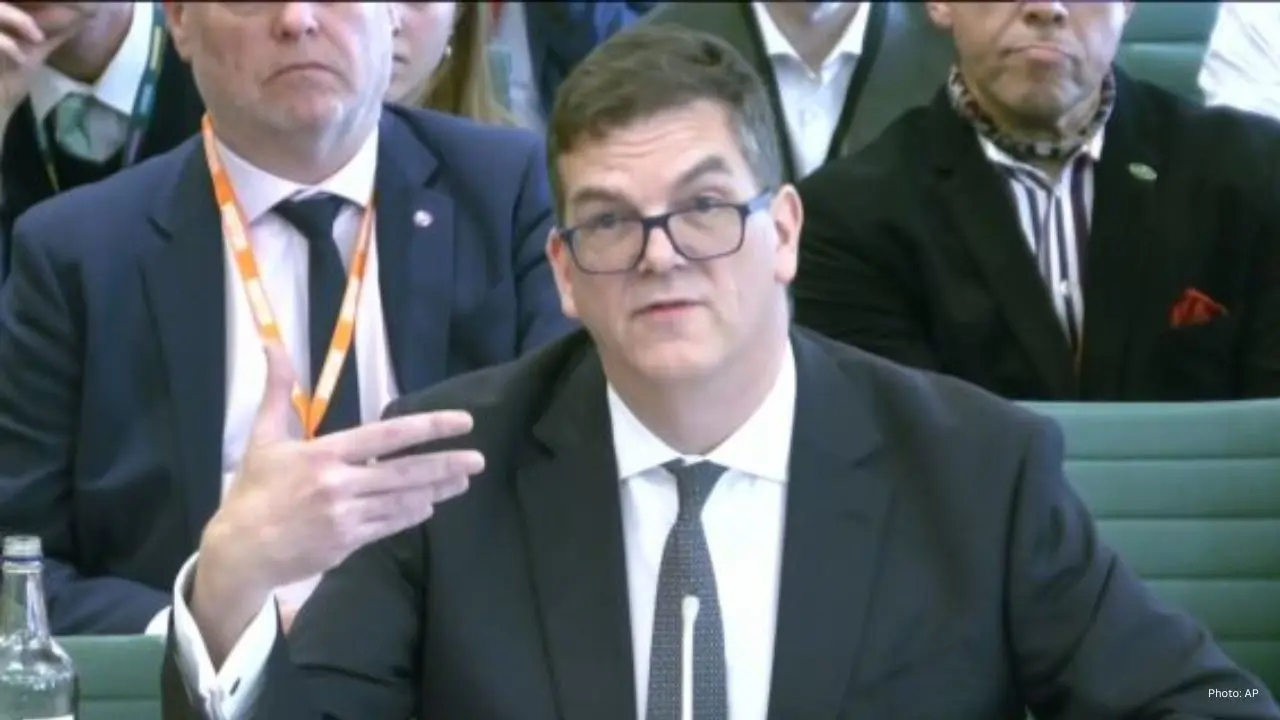
A senior former official in the Foreign Office has claimed he was under significant pressure to approve the appointment of Peter Mandelson as ambassador to the United States, deepening a political controversy surrounding the decision.
Oliver Robbins, who was recently dismissed from his role as permanent undersecretary, told lawmakers that officials were urged to fast-track Mandelson’s appointment in early 2025. According to Robbins, there was “constant pressure” from senior leadership, including the office of Keir Starmer, to ensure Mandelson took up the diplomatic post quickly, particularly around the time of the inauguration of Donald Trump.
The controversy centres on claims that Mandelson had initially faced concerns during the security vetting process conducted by the UK’s clearance authority. Robbins said the agency considered Mandelson a “borderline case” and had reservations about granting him clearance. However, he added that officials believed the risks could be managed, and clearance was eventually approved with certain conditions.
Prime Minister Starmer has accused Robbins of failing to disclose the seriousness of those vetting concerns before Mandelson’s appointment. He stated that he would not have proceeded with the decision had he been fully informed. Robbins, however, rejected this criticism, arguing that he followed established rules that limit the sharing of sensitive vetting information.
The situation has become more complex due to Mandelson’s past association with Jeffrey Epstein, which later drew public scrutiny. Mandelson was removed from his post months after his appointment when further details about those connections emerged, prompting apologies from the prime minister.
In his testimony, Robbins also suggested that canceling the appointment at the time could have negatively affected diplomatic relations between the UK and the United States. He further expressed confusion over his dismissal and indicated he may take legal action to challenge the decision.
The political fallout continues to grow, with opposition leaders increasing pressure on Starmer. Critics argue that the handling of the appointment reflects poor judgment and a lack of transparency, while the government maintains that proper procedures were followed.
As the issue unfolds, the controversy is adding to mounting challenges for the prime minister, raising questions about accountability and decision-making at the highest levels of government.