The Impact of Ice Storms in America
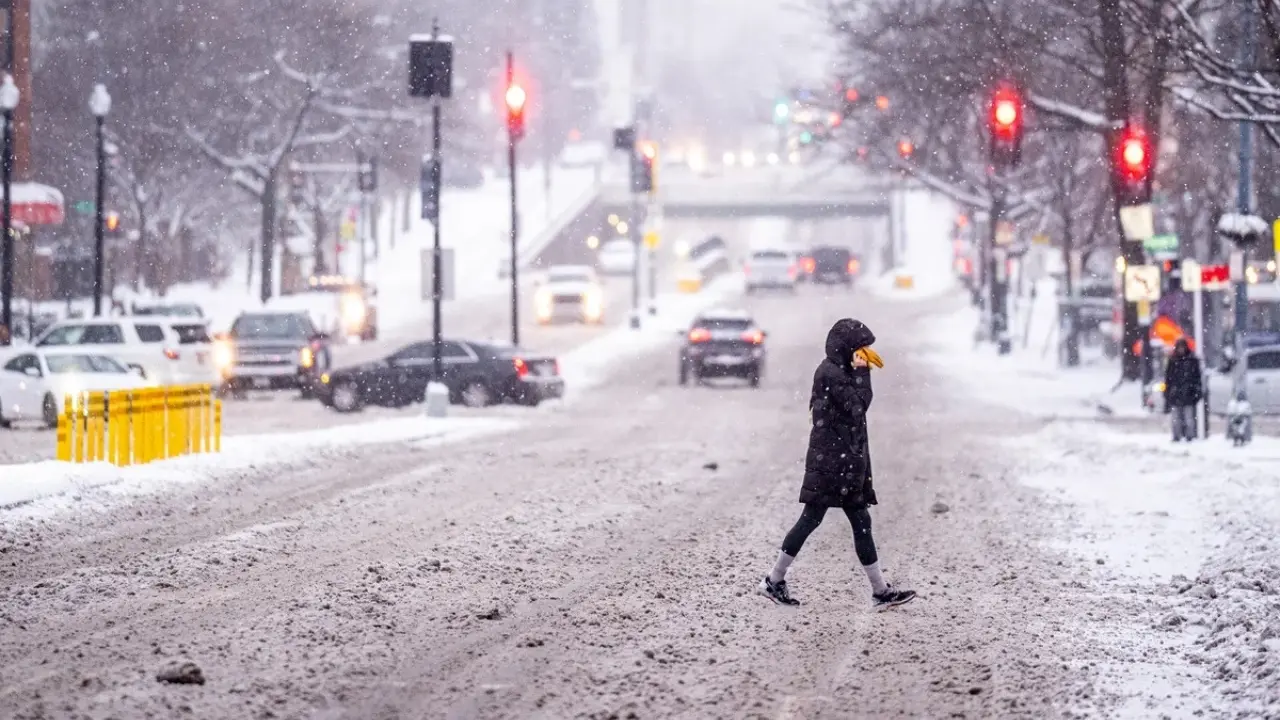
Ice storms are among the most perilous winter weather phenomena in the United States. Unlike typical snowfalls, these storms generate layers of ice from freezing rain, accumulating on roads, trees, and power lines. This dangerous buildup not only leads to significant infrastructure damage but can also disrupt power for millions and hamper economic activities, resulting in billion-dollar losses. Their unpredictable nature makes ice storms particularly concerning for those unprepared for their formidable challenges.
Historically, some of the most impactful ice storms have transformed community preparedness levels, informed advancements in meteorological technology, and revealed weaknesses within crucial infrastructure. The capacity of ice storms to create heavy, solid layers of ice significantly increases risks of structural failure and outages, making them exceedingly hazardous.
Defining Factors for the Most Severe Ice Storms
Meteorologists classify ice storms based on several essential metrics:
-
Ice Accumulation: Quantity of ice that freezes on contact, typically measured in inches.
-
Duration: Length of time freezing conditions last, permitting ice accumulation.
-
Infrastructure Impact: Damage to power lines, tree falls, and road blockages.
-
Human Impact: Injuries, fatalities, and overall affected population.
-
Economic Loss: Financial toll on utilities, homes, businesses, and emergency responses.
These criteria aid in identifying the most transformative ice storms in U.S. history.
10. New Year’s Ice Storm — Northern Idaho, 1961
One of the notable early ice storms struck northern Idaho during the New Year’s of 1961, with freezing rain accumulating to astonishing levels—up to eight inches. This catastrophic storm caused widespread power disruptions and considerable damage to trees and infrastructures...
9. Atlanta and Southeast Ice Storm — January 2000
Late January 2000 witnessed a massive ice storm sweeping through southeastern states, from Alabama to the Carolinas, just before the Super Bowl, stranding thousands...
8. North Texas Ice Storm — New Year’s Eve, 1978
On New Year’s Eve in 1978, north-central Texas faced a severe ice storm, accumulating up to two inches of ice, leading to significant traffic and travel disruptions...
7. Christmas Ice Storm — Mid-South, 2000
In December 2000, a powerful ice storm hit from Texas to Oklahoma during the holiday, affecting over 500,000 residents and demonstrating southern vulnerability...
6. Ice Storm of 1994 — Mississippi & Surrounding States
January 1994 marked one of Mississippi's worst ice storms, with officials utilizing 200,000 gallons of ice-melting chemicals to manage road conditions...
5. Arkansas and Kentucky Ice Storm — January 26-28, 2009
In late January 2009, a severe ice storm left parts of Arkansas and Kentucky paralyzed, with ice accumulating over two inches...
4. Great Ice Storm of 1951 — South to Ohio Valley
The Great Ice Storm of 1951 caused significant livestock and crop losses across states from Louisiana to the Ohio Valley, totaling over $100 million in damages.
3. December 2008 Northeastern United States Ice Storm
A devastating ice storm in December 2008 affected millions across the Northeast, leaving more than 1.7 million without power.
2. January 2026 – Massive Ice and Snow Storm (Fern)
While data is still being gathered, the recent Winter Storm Fern has already been recognized for its major impact across many states...
1. The Worst: Historic Ice Storm — Title Varies by Region
Modern records indicate that the 2000 Atlanta ice event and January 2026 storms rank among the most devastating ice storms ever experienced.
Lessons Learned: Preparing for Future Ice Storms
Ice storms underscore the need for both communities and utilities to be better prepared for winter weather through improved forecasting, equipment, and public education strategies...
Disclaimer: This article is derived from historical weather insights and current reporting, meant for informational purposes.