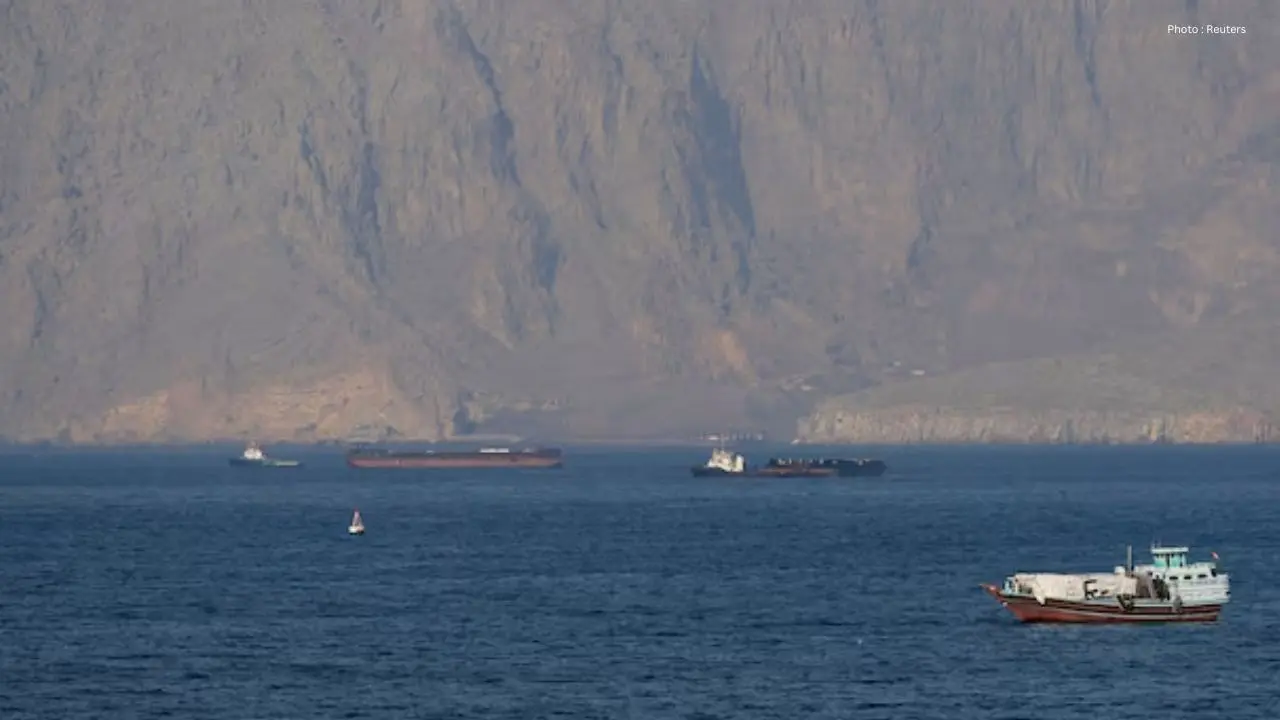
The continued closure of the Strait of Hormuz is raising serious concerns about global energy supplies, especially as tensions remain high between the United States, Israel, and Iran. The key shipping route, which normally carries around 20% of the world’s oil and refined fuel, has not reopened despite earlier expectations.
At the start of the conflict in late February, many in the oil market believed the disruption would be short-lived. This belief was partly influenced by statements from Donald Trump suggesting that the situation would stabilize quickly. However, the reality on the ground has been very different, with the waterway still effectively closed.
Recent market movements show how uncertain the situation is. Oil prices initially dropped after claims that the strait had reopened, but quickly rose again when it became clear that ships were still unable to pass safely. This volatility reflects growing doubts about how soon normal operations can resume.
The closure appears to be linked to ongoing military tensions. While the United States has maintained a naval blockade on Iranian ports, Iran’s forces have also taken steps to restrict movement through the strait. This has created a situation where neither side is willing to fully reopen the route without major political or military changes.
The impact of this disruption is being felt most strongly in Asia, where about 80% of oil shipments through the strait are usually delivered. Countries that rely heavily on imported energy are now facing supply stress, rising costs, and uncertainty about future availability.
Energy analysts warn that if the closure continues, the situation could turn into a more severe crisis. Physical supply chains are already tightening, even though financial markets have been relatively optimistic so far. The longer the disruption lasts, the greater the pressure on global energy systems.
There are also deeper concerns about trust and control. Questions remain about whether the involved countries are willing to negotiate, and whether any agreement to reopen the strait would be respected. Without clear cooperation, the risk of further escalation remains high.
In conclusion, while there were early hopes that the Strait of Hormuz would reopen quickly, current developments suggest that the situation may last longer than expected. This ongoing uncertainty is likely to keep global oil markets under pressure in the coming weeks.