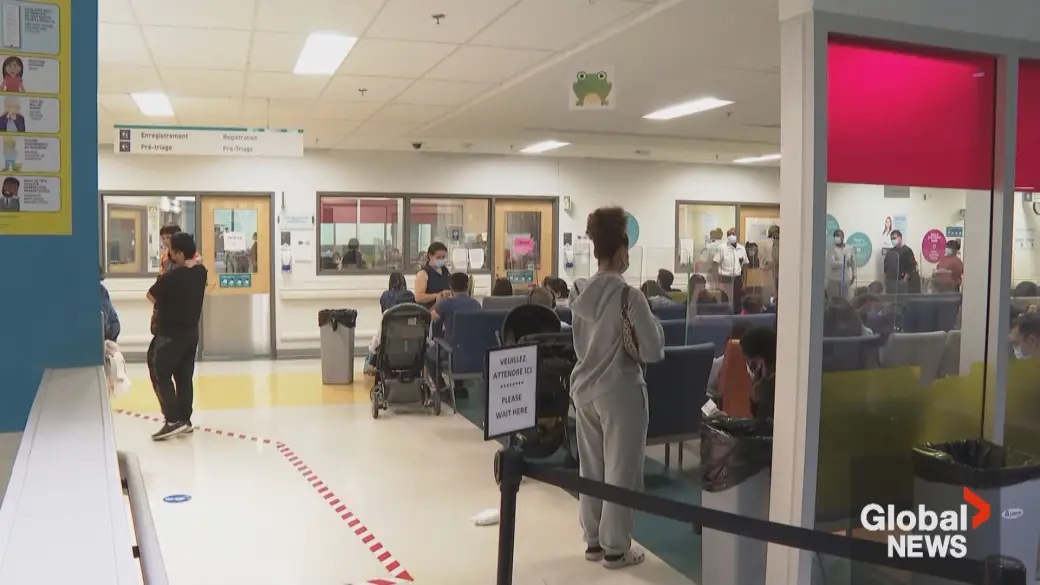
Healthcare is the foundation of public well-being, and in Quebec, it represents one of the province’s most essential social services. Yet, while access is universal, one issue continues to dominate the conversation: wait times.
Whether it’s waiting hours in an emergency room (ER), months for a specialist consultation, or nearly half a year for a surgery, the delays are often more than an inconvenience. They affect recovery, mental health, and in some cases, survival.
As of 2025, Quebec’s healthcare system remains under pressure, despite ongoing reforms. Patients and their families are asking pressing questions:
-
How long will I have to wait for care?
-
What are my rights if delays put my health at risk?
-
What changes are being made to reduce wait times?
This article provides a comprehensive look at Quebec healthcare wait times, exploring the latest statistics, reasons for delays, reforms in progress, and most importantly, the rights patients have when waits become unreasonable.
Understanding Quebec’s Healthcare System
How the System Works
Quebec operates under a publicly funded healthcare model, similar to the rest of Canada. The Ministère de la Santé et des Services sociaux (MSSS) oversees healthcare delivery, while regional health boards (CISSS and CIUSSS) manage local services such as hospitals and community clinics.
At the point of care, patients do not pay for visits, tests, or surgeries. Instead, costs are covered by taxes and government budgets. This ensures equity of access—a cornerstone of Canadian healthcare.
Strengths and Weaknesses
The system is built to prevent financial hardship from medical costs. However, because services are free, demand is consistently high. When combined with limited staffing and resources, the result is long waits for everything from minor diagnostics to major surgeries.
Comparison With Other Provinces
While Quebec spends less per capita on healthcare than Ontario or Alberta, its challenges are not unique. Long waits are a national issue, but Quebec often sees longer ER delays and greater regional disparities than most provinces.
Quebec Healthcare Wait Times in 2025: The Latest Data
The most recent figures highlight how wait times affect patients across different stages of care:
-
Emergency Rooms (ERs): Patients wait a median of 1 hour 51 minutes to see a doctor, with an average total stay of 5 hours 23 minutes. These are the longest ER waits in Canada.
-
Specialist Consultations: About 68% of Quebec patients see a specialist within three months, slightly better than the Canadian average.
-
Elective Surgeries: Procedures such as hip, knee, and cataract surgeries require 20–30 weeks of waiting, with longer delays in rural areas.
-
Diagnostic Imaging: Access to MRIs and CT scans varies but can stretch to several months in some regions.
-
Overall Wait Time: Quebec’s median wait from referral to treatment is 28.9 weeks, compared to the Canadian average of 30 weeks. While slightly better, both far exceed the clinical benchmark of 9–10 weeks.
This data reveals a paradox: Quebec performs relatively well in specialist access but struggles in ER efficiency and surgical backlogs.
Emergency Room Wait Times in Quebec
The Longest ER Waits in Canada
ERs are often the public face of the healthcare system. In Quebec, they are also the most criticized. Patients regularly face hours-long delays just to be evaluated.
Key issues include:
-
Overcrowding: Many people without family doctors use ERs for non-urgent conditions.
-
Bed shortages: Patients who should be admitted often remain in ERs because no hospital beds are available.
-
Staffing shortages: ER nurses and physicians face burnout, leading to gaps in coverage.
-
Demographic pressure: Quebec’s aging population requires more complex interventions, slowing patient turnover.
Impact on Patients
For urgent cases, every minute matters. Delays in ER care can mean worsened outcomes for stroke, cardiac, or trauma patients. Even for non-urgent cases, long waits erode trust in the system and drive some patients toward private clinics.
Waits for Specialists and Surgeries
Delays don’t end once patients leave the ER. Access to specialists and elective procedures is also limited.
The “Double Wait” Problem
Patients face a two-step delay:
-
Waiting to see a specialist after a referral.
-
Waiting again for surgery or treatment once the specialist confirms the need.
This system can leave patients waiting months or even years for non-urgent care.
Elective Surgeries Most Affected
Hip replacements, knee surgeries, and cataract operations are among the most delayed. A 25-week wait often means:
-
Loss of mobility.
-
Worsening pain.
-
Reduced quality of life.
Diagnostic Bottlenecks
Access to MRIs and CT scans remains uneven. Patients in Montreal may wait weeks, while those in rural areas wait months. These delays postpone surgeries further, creating a backlog that ripples across the system.