Photo:AP
Netanyahu’s Coalition Faces Major Setback as Ultra-Orthodox Party Exits Over Military Draft Law
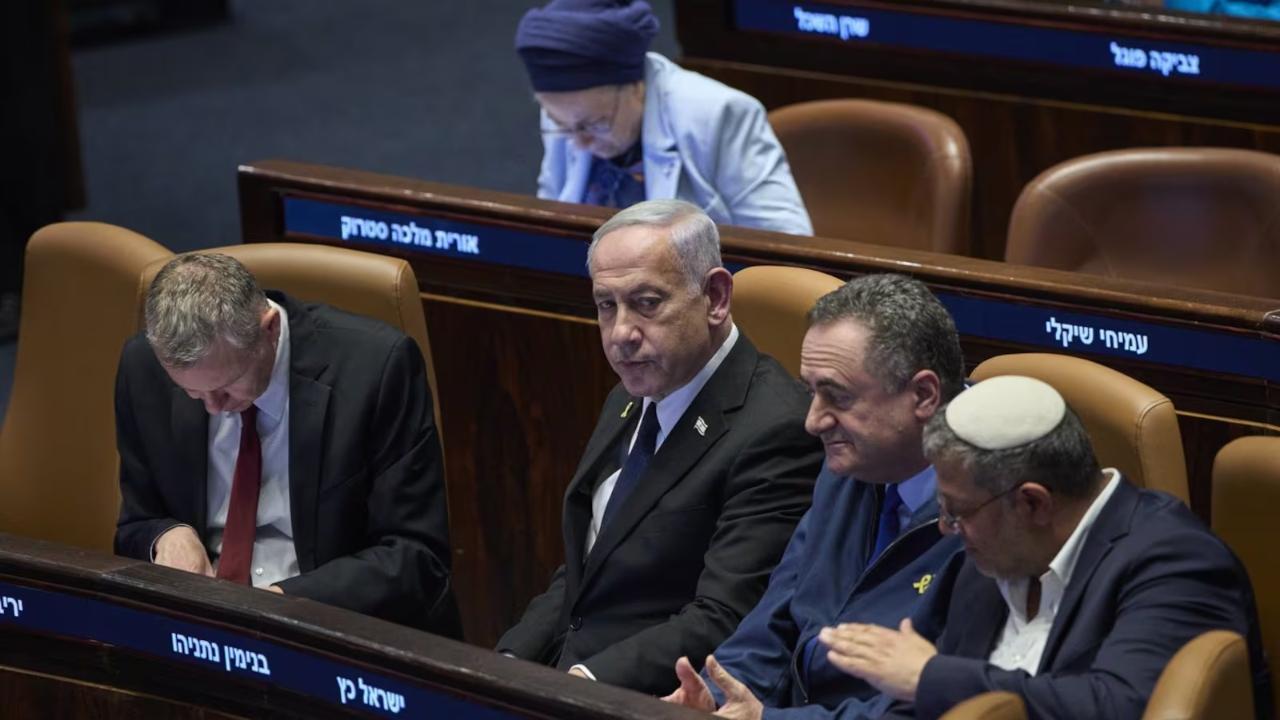
Israel’s political landscape is once again in disarray as Prime Minister Benjamin Netanyahu’s fragile coalition teeters on the brink of collapse. The latest blow comes from the United Torah Judaism (UTJ) party, which has announced its intention to withdraw from the governing alliance in protest over a proposed military draft law. The departure of this key ultra-Orthodox faction now threatens to upend the delicate balance Netanyahu has maintained among his right-wing, ultra-nationalist, and religious allies.
This development leaves Netanyahu’s government with a razor-thin one-seat majority in the 120-seat Knesset. With the country still embroiled in a prolonged and devastating war in Gaza, this internal political crisis could not have come at a worse time.
Background: The Ultra-Orthodox Draft Exemption Controversy
For decades, Israel has maintained a policy that exempts ultra-Orthodox (Haredi) men from compulsory military service, provided they commit to full-time religious studies in yeshivas. This arrangement, dating back to Israel’s founding, was originally intended for a small segment of society but has grown over the years due to the rapid demographic expansion of the ultra-Orthodox population.
Today, ultra-Orthodox Jews represent around 13% of Israel's population, and their political influence has increased significantly. Many secular and traditional Israelis have grown increasingly resentful of what they view as an unfair system, where their sons and daughters are conscripted to serve in dangerous combat zones, while tens of thousands of ultra-Orthodox men are exempted under the guise of religious study.
Tensions around this issue reached a boiling point after Israel’s Supreme Court ruled in 2024 that the existing blanket exemption was unconstitutional. The court demanded that the government legislate a new, fairer framework for military service that treats all citizens equally, regardless of religious affiliation.
Netanyahu, under pressure from the court and a public increasingly skeptical of religious privileges, introduced a new draft bill designed to narrow exemptions for ultra-Orthodox men. However, this proposal has triggered fierce opposition from his religious allies—particularly UTJ, who see the move as a betrayal and a direct assault on their religious freedoms.
UTJ’s Exit: A Political Earthquake
United Torah Judaism, which holds seven seats in the Knesset, announced that it would leave the coalition unless the government withdrew the draft bill or significantly amended it to protect full exemption for yeshiva students. Their decision sets off a countdown: within 48 hours of formal notification, their ministers will resign, and their support for the coalition will be withdrawn.
This abrupt exit slashes Netanyahu’s parliamentary majority to just 61 seats—barely enough to survive a no-confidence vote. If any other party within the coalition follows suit, particularly Shas (another ultra-Orthodox party), the government could collapse entirely, triggering new elections.
For Netanyahu, whose tenure has been defined by political survival, legal battles, and war management, this marks one of the most perilous moments of his leadership.
A Government at the Edge of Collapse
Netanyahu's coalition—built on the support of right-wing nationalists, ultra-Orthodox parties, and far-right extremists—was always considered unstable due to its ideological disparities. While all members agreed on hardline policies in Gaza and the West Bank, issues like the military draft exposed deep fissures within the alliance.
The ultra-Orthodox parties, who derive much of their political clout from defending religious autonomy and educational independence, have made it clear that they will not support any bill that mandates their young men to serve in the army. At the same time, secular and nationalist lawmakers—especially those from Netanyahu's own Likud party—argue that the burden of national defense must be shared by all sectors of society.
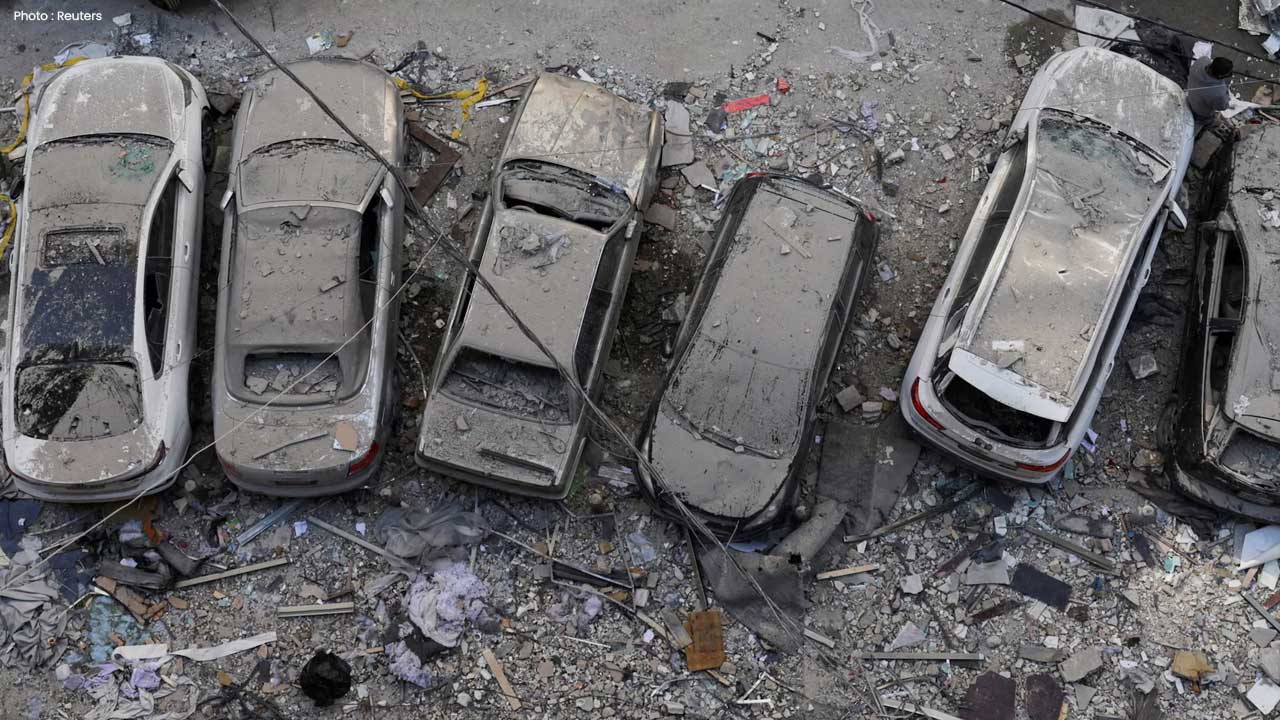
The tension is further exacerbated by public opinion. The ongoing war in Gaza has claimed hundreds of Israeli soldiers' lives and tens of thousands of Palestinian casualties. Among the secular Israeli public, there is growing frustration that while their children are dying in combat, the ultra-Orthodox community is exempt from service. This perception has ignited mass protests and calls for reform, creating a volatile political environment that Netanyahu can no longer ignore.
Implications for Governance
The collapse of the UTJ’s support places every piece of legislation at risk. Netanyahu will struggle to pass laws, negotiate new security policies, or approve defense spending. Even more crucially, any attempt to broker a ceasefire in Gaza could be severely undermined without broad support in the Knesset.
Additionally, Netanyahu’s own political survival is now tied to the willingness of remaining coalition partners to support him through an increasingly fractured term. Should another party withdraw—particularly the Shas party or the far-right Religious Zionism faction—Netanyahu could face a no-confidence vote, forcing him into early elections.
The timing of this crisis coincides with a critical juncture in the war in Gaza. International mediators, including the United States, Egypt, and Qatar, are pushing for a ceasefire agreement, and Israel is under mounting diplomatic pressure to comply. Without the support of his ultra-Orthodox and far-right partners, Netanyahu will be unable to implement any such agreement, even if it is in Israel’s strategic interest.
The Religious Argument: Spiritual Defense vs. Military Duty
For UTJ and its supporters, the argument goes beyond politics. They believe that yeshiva study constitutes a form of spiritual defense for Israel, protecting the country through divine favor rather than military might. The ultra-Orthodox community views the state’s attempt to conscript yeshiva students as an attack on the Torah, religious identity, and their way of life.
This belief is deeply rooted and non-negotiable for many in the Haredi world. They argue that being forced into military service would expose their youth to secular influences, undermine their religious convictions, and erode community structures that have endured for centuries.
Religious leaders have condemned the draft proposal as a “spiritual decree of destruction” and have vowed to resist any legislation that threatens their autonomy. Thousands of ultra-Orthodox men have already taken to the streets in protest, chanting slogans against the government and vowing not to comply with any court ruling or state law that mandates their enlistment.
A Polarized Society at a Crossroads
Israel's deeply divided society is now being pushed to confront questions about equality, national service, and the relationship between religion and state. The draft law debate is not merely about military policy—it is about the very soul of Israeli democracy.
On one side are secular Israelis demanding fairness and accountability, especially during wartime. On the other side are religious communities determined to preserve their traditions and way of life, even at the cost of national unity.
This ideological chasm is reflected in the Knesset, where coalitions are formed more out of necessity than shared vision. Netanyahu’s attempt to bridge these gaps is faltering, and his political future may now depend on whether he can renegotiate the terms of this fractured alliance or risk facing the voters once again.
What Happens Next? Possible Scenarios
-
Reconciliation with UTJ: Netanyahu could offer concessions to UTJ to lure them back into the coalition. This might include delaying the draft law or watering it down further. However, such a move would provoke secular backlash and risk contempt from the judiciary.
-
Collapse of the Government: If Netanyahu fails to maintain a majority, early elections will be triggered. This would thrust Israel into its sixth election in less than five years—a scenario most citizens are desperate to avoid.
-
Relying on Far-Right Support: Netanyahu might try to shore up support from far-right nationalist factions like Religious Zionism, offering hardline policies in exchange for loyalty. This would stabilize the coalition temporarily but could isolate Israel internationally and deepen domestic polarization.
-
Judicial Crisis: Ignoring the Supreme Court’s ruling would invite a constitutional crisis. It would raise serious questions about the rule of law, the independence of the judiciary, and Israel’s international standing.
Impact on the War in Gaza
The political instability comes as the war in Gaza rages on with no end in sight. Israel’s military operations continue amid calls for ceasefires, prisoner swaps, and humanitarian access. Any weakening of Netanyahu’s political base could derail negotiations with Hamas and complicate relations with regional powers like Egypt and Jordan.
Moreover, with coalition members like Itamar Ben-Gvir and Bezalel Smotrich holding extreme views on Gaza, Netanyahu may find himself increasingly constrained in his ability to negotiate any diplomatic resolution.
Public Opinion and the Role of the Israeli Voter
Polls indicate that a majority of Israelis support some form of universal service, including mandatory military or civil service for all citizens, regardless of religious status. This trend reflects a broader shift in public consciousness, fueled by wartime sacrifices and economic strain.
At the same time, there is growing disillusionment with the political process. Many citizens feel that their leaders are more concerned with ideological survival than national interest. The repeated cycles of elections, corruption scandals, and coalition collapses have eroded public trust in government institutions.
Conclusion: A Defining Moment for Israel
The exit of the United Torah Judaism party from Netanyahu’s coalition is more than a political shake-up—it is a defining moment in Israel’s democratic journey. It brings to the forefront critical questions about equality, religious autonomy, governance, and national unity.
As Netanyahu scrambles to maintain power, the decisions made in the coming weeks will shape the country’s future. Whether he chooses to appease his religious allies, confront the courts, or go back to the voters, one thing is clear: Israel is standing at a crossroads, and the path forward will test the resilience of its democracy, the cohesion of its society, and the vision of its leaders.