Israel has ramped up its military activities in southern Lebanon, cautioning residents against returning to many border areas despite an existing ceasefire. This escalation raises fresh alarms about the potential for future peace and citizen safety.
This advisory comes in the wake of a 10-day ceasefire brokered with the backing of the United States, aimed at calming tensions between Israel and Hezbollah, a significant Lebanese militant entity. However, the overall atmosphere remains fraught with uncertainty.
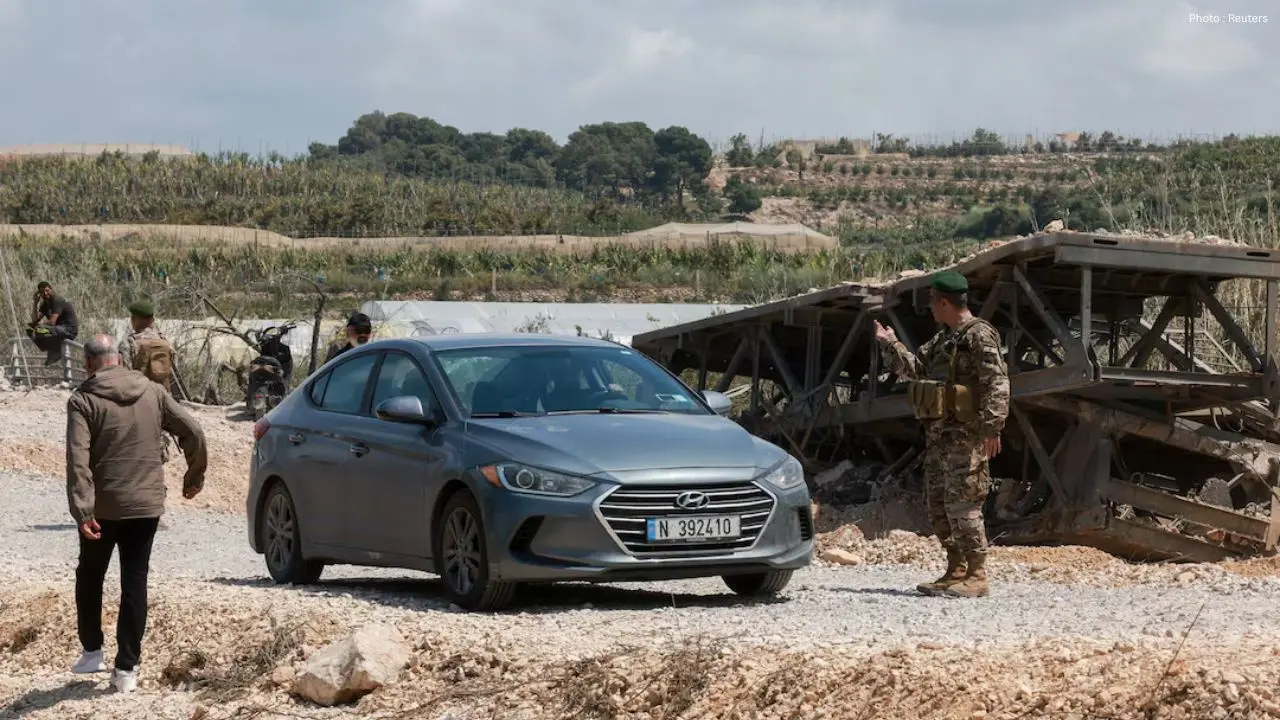
The Israeli military has taken charge of a substantial stretch of land along the boundary, implementing what officials describe as a “buffer zone” intended to shield northern Israel from potential threats. This zone encompasses numerous villages, extending toward the Litani River, a pivotal reference point in southern Lebanon.
Military officials have circulated maps indicating areas that residents should avoid returning to. Over 20 villages are marked as restricted zones, while an additional 50 are deemed unsafe due to ongoing military operations and associated threats.
The issuance of this warning has instilled fear among many Lebanese families. Thousands had already fled their homes during prior clashes, and now, with the ceasefire in place, they find themselves unable to safely return. Reports estimate that more than one million individuals have been displaced since the conflict escalated earlier this year.
The confrontation between Israel and Hezbollah escalated in March, coinciding with broader regional tensions involving Iran and the United States. Both sides have engaged in repeated hostilities, resulting in substantial casualties and infrastructural destruction.
While the ceasefire has brought about a reduction in major hostilities, violence has not come to a complete halt. Incidents of smaller-scale clashes and military actions persist. Hezbollah has declared its intent to respond to what it regards as Israeli encroachment on Lebanese territory.
Analysts warn that Israel’s territorial control within Lebanon could complicate an already intricate scenario. While Israel defends its actions as necessary for security, there are concerns about the potential for a prolonged military presence, which could heighten tensions and obstruct peace negotiations.
The humanitarian implications are equally pressing. Numerous homes and communities have suffered damage or complete destruction, with access to essential services like electricity, healthcare, and clean water severely limited. Families seeking to reclaim their homes now face prolonged uncertainty regarding their safety.
International communities and leaders are keeping a vigilant eye on developments, urging both parties to adhere to the ceasefire while advocating for a peaceful resolution. Nonetheless, existing mistrust and ongoing military incursions hinder progress.
The dynamics in southern Lebanon illustrate the inherent fragility of ceasefires. Even temporary lulls in fighting often leave deeper-rooted issues unresolved. Without genuine dialogue and willingness to compromise, the specter of renewed conflict looms large.
As it stands, civilians remain ensnared in the crossfire. Their security and prospects hinge on the decisions made by governing authorities and armed factions. The forthcoming days will prove critical in determining whether peace holds or if tensions escalate anew.