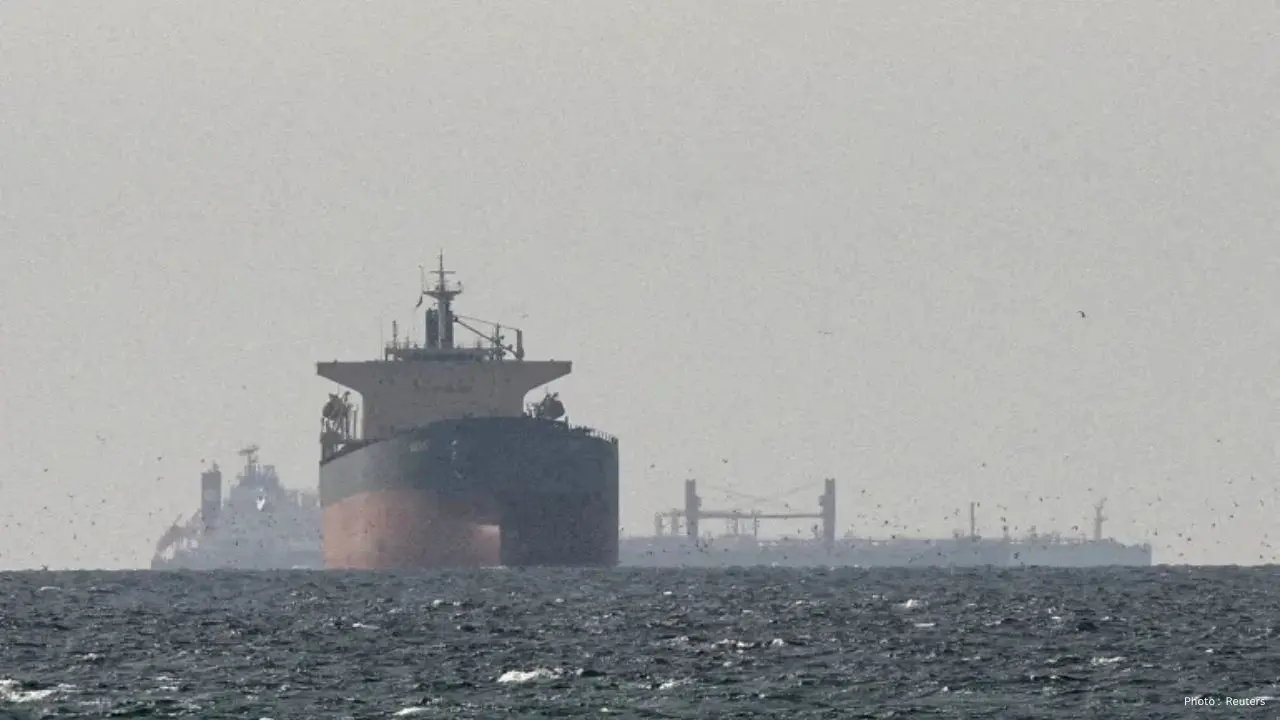
A notable security incident has emerged in the Middle East as an Iranian gunboat allegedly opened fire on a merchant vessel close to Oman. This attack has amplified worries regarding the safety of maritime routes and rising tensions in the area.
The vicinity around Oman is crucial, constituting a major part of essential shipping lanes connected to the Strait of Hormuz, one of the world's busiest and most geopolitically sensitive maritime regions. A significant volume of global trade, particularly oil, navigates through this route daily, making any threats in this area a global concern.
Preliminary indications suggest that the vessel was in international waters when it suffered the attack. While comprehensive details are still pending, the event has elicited alarm among governments and shipping operators alike. Even with minimal damage, the implications are serious and must be addressed.
This incident unfolds during a period of elevated tensions in the region, exacerbated by conflicts between Iran and various global powers, leading to an unstable environment. Recent weeks have seen a surge in military initiatives and warnings. This latest assault further complicates the situation, amplifying the risk of escalation.
From an editorial perspective, targeting commercial vessels is a perilous move. Such ships are vital for transporting essential commodities, including oil, food, and industrial products. Disruptions in these pathways could have ripple effects on global supply chains, driving up prices and creating economic challenges for many nations.
Another critical factor is the safety of the crews aboard these ships. Sailors often operate in precarious conditions and rely on safe travel routes. Attacks like this heighten their risks and instill fear throughout the worldwide shipping sector. Safeguarding them should be a priority for all countries.
A robust global response to such crises is crucial. Nations relying on these shipping corridors may look to bolster their naval presence for enhanced protection. However, such maneuvers must be approached cautiously. While a decisive response can deter further attacks, it may also escalate tensions if not managed correctly.
The situation underscores the necessity of international regulations that ensure the free movement of vessels in global waters. These agreements are designed to allow ships to transit safely without apprehension. Challenges to these norms can engender instability and erode trust among nations.
Moreover, it's essential to grasp the underlying issues fueling these tensions. Long-standing political strife and security issues continue to spur conflict in the region. Without addressing these foundational problems, the likelihood of similar occurrences remains high.
The economic repercussions of such an event can be extensive, with even minor disruptions capable of influencing oil pricing. Increased fuel expenses impact transportation and daily life across the globe. Vulnerable countries may absorb these shocks more acutely.
This incident illustrates the interconnectedness of our global landscape. An event occurring near the coast of Oman can reverberate across various markets and economies worldwide, rendering international collaboration increasingly vital.
The immediate focus should be on de-escalating tensions and safeguarding shipping routes. Diplomatic dialogues are crucial for avoiding escalation. While security measures are indispensable, true long-term stability hinges on cooperation and mutual understanding.
In the coming days, the waters near Oman and the Strait of Hormuz will be under heightened surveillance. The actions taken by global leaders will be pivotal in shaping the region's future.
In summary, the incident involving the container ship serves as a stark reminder of the fragile state of affairs. It underscores the urgent need to secure critical maritime routes, with stability in this area being a global imperative.