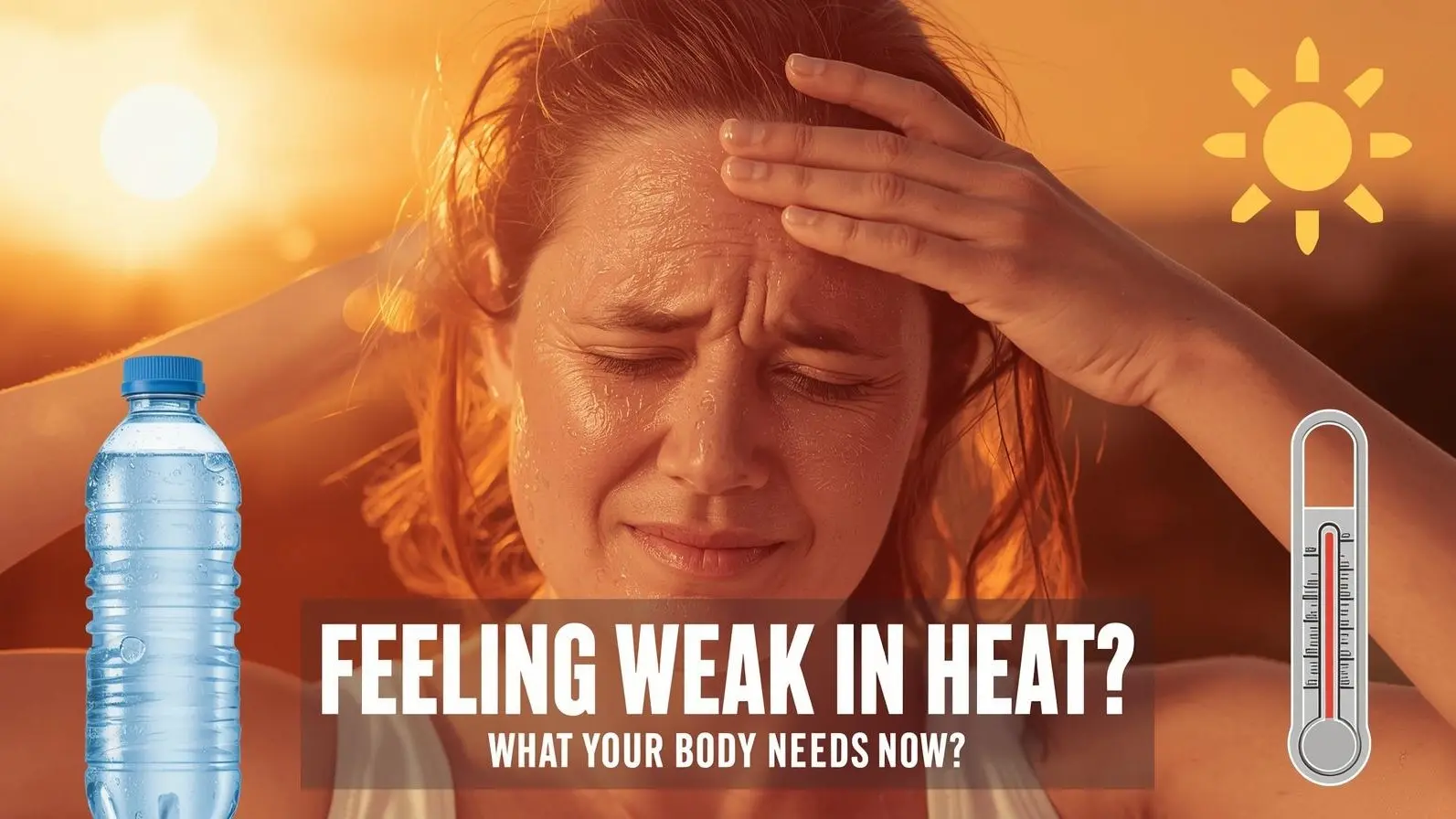
Battling Weakness in Extreme Heat? Essential Tips for Your Well-being
How Extreme Heat Impacts Your Strength
As the temperature soars, your body works overtime to keep cool. This process, known as thermoregulation, increases blood circulation to your skin and triggers sweating. While effective in lowering body temperature, it also causes loss of fluids and essential electrolytes, leading to feelings of fatigue, dizziness, or unexpected weakness even with minimal exertion. Essentially, your body experiences stress from the heat, resulting in quicker energy depletion.
The Invisible Impact of Dehydration on Energy Levels
Dehydration stands out as a primary culprit behind that sluggishness in hot climates. Sweating leads to the loss of not just water, but vital minerals such as sodium and potassium. Even slight dehydration can impact your energy, hamper focus, and trigger headaches. Importantly, feelings of thirst may not occur until you are already somewhat dehydrated. Therefore, maintaining consistent fluid intake during extreme heat is critical, even if immediate thirst isn't present.
The Necessity of Electrolytes Beyond Water
While water is crucial, it's often insufficient during extreme heat. Electrolytes are key for muscle function, nerve communication, and overall hydration balance. A drop in these minerals can lead to fatigue, cramping, or a sense of lightheadedness. Beverage options like coconut water, lemon-infused water with salt, or simple homemade solutions can effectively restore this balance. The focus should be on hydrating smartly rather than just drinking more.
Food Choices That Energize During Summer
Your dietary choices heavily influence how you feel in hot weather. Heavy, greasy, or spicy meals can raise your internal temperature and slow digestion, adding to discomfort. Conversely, lighter, water-rich foods like fruits and vegetables facilitate easier digestion and hydration. Items like watermelon, cucumbers, yogurt, and seasonal fruits provide cooling effects and essential nutrients that help sustain energy.
How Heat Influences Blood Pressure and Circulation
High temperatures can also have a significant impact on blood pressure and circulation. To cool down, blood vessels expand, which might lead to lowered blood pressure. Symptoms can include dizziness, weakness, or even faintness, especially when standing up quickly. Individuals with pre-existing low blood pressure or other health conditions may feel these effects more intensely. Keeping hydrated and avoiding direct exposure to high heat can lessen these risks.
The Importance of Rest and Timing
Your body demands more rest in hot conditions. Prolonged exposure to heat without breaks can quickly lead to exhaustion. Careful planning of your activities is vital. Aim to avoid outdoor activities during peak heat, typically in the afternoon, and tackle essential tasks in the cooler early morning or evening hours. Allowing your body ample time to recover is crucial to maintain energy and prevent overheating.
Adapting Clothing and Environment for Comfort
Your attire and surroundings can considerably influence how your body reacts to heat. Tight, dark, or heavy fabrics trap heat, complicating your body’s cooling process. In contrast, loose, light-colored, breathable materials promote airflow and minimize heat absorption. Additionally, staying in shaded or well-ventilated areas helps regulate body temperature. These small but impactful changes can enhance your comfort throughout the day.
Recognizing Red Flags for Your Health
While slight weakness can be common in high heat, certain symptoms warrant immediate attention. Persistent dizziness, nausea, rapid heart rate, confusion, or excessive perspiration could indicate heat exhaustion or heatstroke. Ignoring these signs can lead to severe health issues. It is vital to heed your body’s signals and act swiftly during extreme temperature events.
Your Essential Needs in Extreme Heat
To stay resilient in extreme heat, your body ultimately needs three components: adequate hydration, balanced nutrition, and sufficient rest. By ensuring these are prioritized, your body is better equipped to handle temperature fluctuations. The solution isn’t complicated; it lies in maintaining consistent, simple habits that foster your body’s natural equilibrium.
Treat Heat with Respect
Extreme heat goes beyond discomfort—it directly influences your health and energy. Weakness signals that something isn’t quite right within your body. Instead of dismissing it, understanding its cause and responding correctly can significantly improve your situation. Consistently hydrating, opting for lighter meals, resting adequately, and minimizing unnecessary exposure are straightforward yet effective measures essential for your well-being.
Disclaimer
This article serves an informational purpose only and should not replace professional medical advice. For persistent or worsening symptoms, consult a healthcare provider.