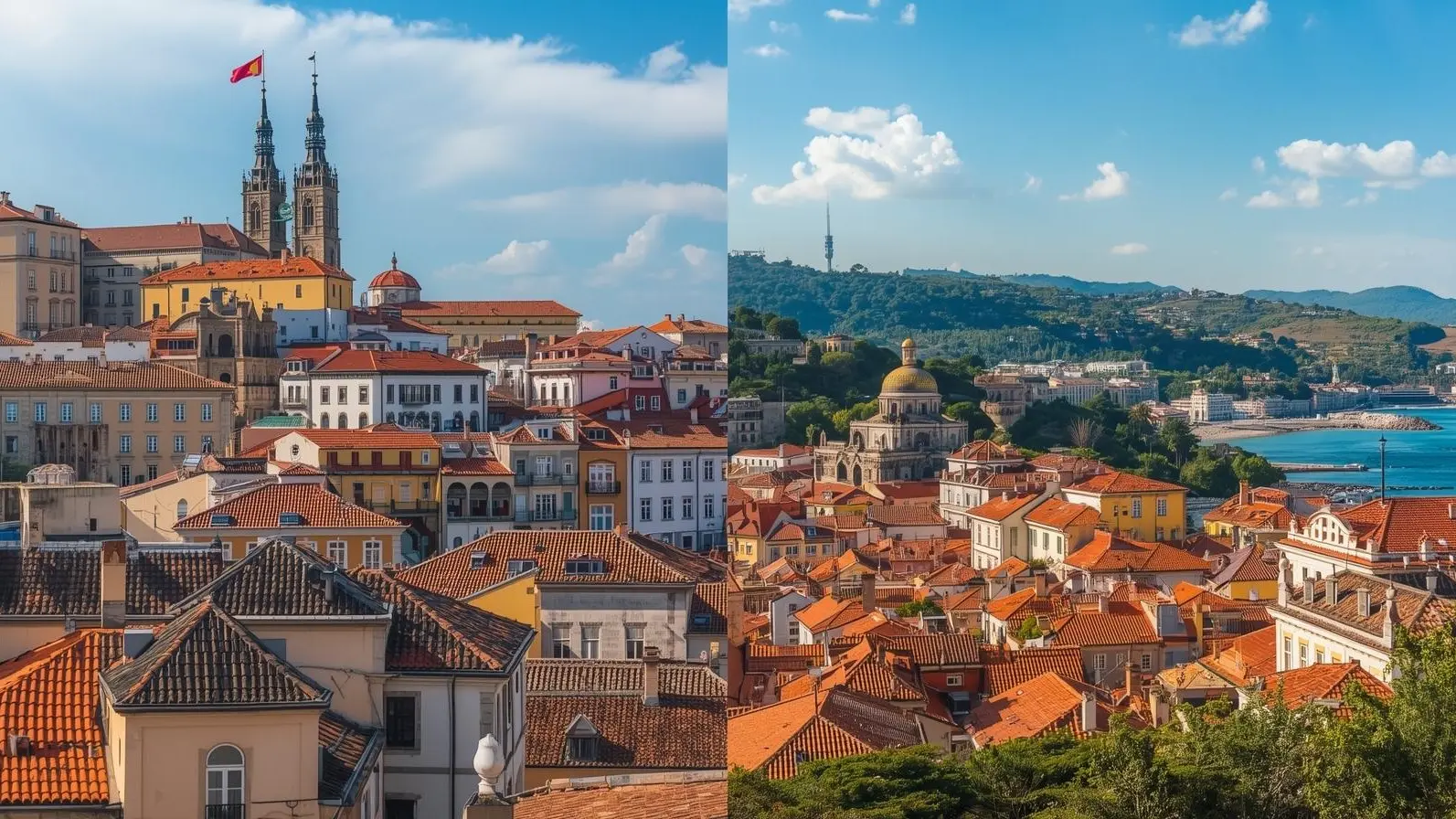
Exploring Portugal and Spain: Travel Costs, Cities, and Experiences
As Europe’s two prominent tourist hotspots, Portugal and Spain attract travelers seeking a Mediterranean escape. Both nations boast rich histories, stunning coastlines, lively cities, delectable cuisine, and generous hospitality. However, each offers unique travel experiences, costs, and types of attractions that can influence your decision. This thorough comparison delves into the travel costs, must-visit cities, and distinct travel experiences in Portugal and Spain to help you determine which destination suits your travel style and budget.
Cost Overview: Traveling in Portugal vs Spain
Cost is a crucial factor for many when choosing between Portugal and Spain. Generally speaking, Portugal tends to be slightly cheaper, particularly regarding lodging, meals, and public transport. While Spain can also be affordable, its prices fluctuate based on the location and time of year.
Lodging in Portugal is generally lower, especially in cities like Porto, Braga, and Coimbra. While Lisbon’s prices can be moderate, they still often come in lower than those of Madrid or Barcelona during peak times. In contrast, hotel rates in Spain's major cities and its popular islands tend to spike in summer.
Culinary costs favor Portugal, where local fare, baked goods, and seafood are reasonably priced, even near tourist spots. Although Spain also offers value through tapas and set menu options, dining in busy tourism hubs can be pricier.
Transportation expenses also lean slightly in favor of Portugal, with affordable trains, metros, and buses readily available. Spain's transport system is excellent, but high-speed journeys can significantly raise travel costs.
Overall, those mindful of budgets may find Portugal more appealing, while Spain presents a wider array of price points.
Top Cities to Discover in Portugal
Portugal, though smaller than Spain, features an impressive array of cities, each catering to different traveler preferences.
Lisbon, the vibrant capital, enchants visitors with its hilly landscape, rich neighborhoods, trams, picturesque views, and coastal allure. Don't miss iconic spots like Alfama, Belém, Bairro Alto, and the nearby Sintra.
Porto is loved for its fantastic riverside sights, wine producers, and charming old town, offering a relaxed vibe suitable for couples and leisurely travelers.
Beach enthusiasts will adore Faro and the Algarve, renowned for pristine sands, crystal waters, and stunning coastal towns.
Braga and Coimbra cater to history buffs and those keen on traditional Portuguese culture, providing a tranquil and genuine experience.
Portugal’s cities are pedestrian-friendly, less congested, and easy to integrate into a comprehensive itinerary.
Noteworthy Cities to Visit in Spain
With its larger scale and variety, Spain offers an extensive selection of cities, cultures, and landscapes to explore.
Barcelonas’ allure draws millions with its Gaudí architecture, beautiful beaches, nightlife, and culinary scene, merging urban excitement with seaside leisure.
Madrid, the capital, is famed for its art museums, royal landmarks, parks, and dynamic nightlife, making it perfect for culture enthusiasts.
Seville showcases traditional Andalusian culture through flamenco, historical palaces, and inviting ambiance, offering a calmer alternative to Barcelona or Madrid.
Travelers will appreciate Granada for its Moorish history, especially the majestic Alhambra, alongside a budget-friendly student vibe.
Valencia, Malaga, and Bilbao further enrich the experience, adding beaches, modern designs, and culinary experiments.
Spain’s diversity in cities means a multitude of cultural experiences are available within a single journey.
Cultural Heritage and Historical Insights
Both nations harbor rich histories, yet their cultural expressions diverge.
Portugal tends to present a more reflective and subdued atmosphere, represented in Fado music, historical neighborhoods, and coastal traditions. It is often viewed as calm, soulful, and intimate.
Conversely, Spain thrives on vibrancy, expressiveness, and rich regional diversity. Flamenco, lively festivals, late dining, and strong local identities infuse energy into the atmosphere.
Tourists may find Portugal’s historic sites more accessible and less crowded, allowing for a leisurely exploration, while Spain boasts iconic landmarks that often require meticulous planning due to visitor numbers.
Culinary Offerings Comparison
Gastronomy is exceptional in both Portugal and Spain, yet their culinary styles have unique traits.
Portuguese cuisine showcases fresh seafood, simplicity, and comfort dishes, featuring highlights like bacalhau, grilled sardines, seafood rice, and famous pastries such as pastel de nata along with cost-effective wine.
In contrast, Spanish cuisine presents greater variety across regions. The beloved tapas culture promotes communal eating, with popular dishes like paella, jamón, tortilla española, and various local seafood.
Dining out tends to be more wallet-friendly in Portugal, while Spain shines with its variety and tapas offerings.
Wine remains affordable in both countries, yet Portugal is often regarded for its quality at a value.
Beaches and Natural Wonders
Portugal is renowned for its spectacular coastlines, steep cliffs, and surf-friendly beaches, especially in the Algarve and along the Atlantic. These beaches are scenic, relatively undeveloped, and attractive for nature lovers.
Spain boasts a broader spectrum of beach experiences ranging from Mediterranean sands in Barcelona and Valencia to island retreats in Mallorca, Ibiza, and the Canary Islands. Spanish beaches tend to be more developed, catering to traditional resort getaways.
For adventurers seeking rugged coastline and natural exploration, Portugal is a standout, while Spain provides more diverse options and island escapes.
Nightlife and Evening Entertainment
Spain is famed for its electrifying nightlife, with cities like Barcelona, Madrid, Ibiza, and Malaga offering late-night trends, clubs, and lively beach parties.
Portugal’s nightlife is generally more laid-back and local, with Lisbon and Porto presenting notable evening venues, though the atmosphere is more subdued than in Spain.
Travelers enthusiastic about lively nightlife may favor Spain, while those preferring evenings enriched by food, wine, and ambiance may find Portugal more appealing.
Language and Travel Accessibility
While English is spoken widely in both countries, Portugal often ranks higher in English proficiency among its population, making communication easier for international tourists.
Both nations offer excellent infrastructure for visitors, along with high safety ratings and clear signage. Portugal’s smaller territory enables effortless travel between cities, whereas Spain’s larger size requires additional planning but rewards with greater variety.
Public transportation in both countries is reliable, though Portugal’s routes are typically simpler for quick trips.
Crowd Sizes and Travel Experience
Portugal generally feels less crowded compared to Spain, even during peak travel months. Visitor attractions are more manageable, especially outside Lisbon.
Spain's top attractions often see substantial crowds throughout the year, particularly in cities like Barcelona and Madrid and alongside popular beaches.
Travelers seeking a more relaxed journey typically gravitate towards Portugal, while those who thrive on vibrancy and activity enjoy what Spain has to offer.
Safety Considerations for Travelers
Both Portugal and Spain rank well for tourist safety, with low violent crime rates and welcoming atmospheres for solo travelers and families alike.
Though pickpocketing can occur, particularly in Spain's bustling tourist hubs, Portugal generally experiences fewer tourist-related incidents.
Emergency services and healthcare are dependable in both destinations.
Which Destination Suits Different Traveler Profiles?
Portugal is perfect for budget-minded adventurers, couples, solo travelers, digital nomads, and those seeking serene cultural experiences, coastal beauty, and economical dining.
Spain caters to globetrotters looking for cultural variety, iconic sites, nightlife, festivals, beach getaways, and a lively atmosphere.
Both countries offer remarkable experiences, but the right choice ultimately hinges on your travel desires.
Conclusion: Portugal vs Spain for Travelers
For travelers seeking affordability, laid-back charm, breathtaking coastlines, and deeper cultural encounters, Portugal shines through. Spain offers a dynamic array of experiences, iconic destinations, energetic nightlife, and diverse regional cultures, appealing to those looking for adventure and excitement. If budget, simplicity, and tranquility are top priorities, then Portugal is typically a favorable option. In contrast, for iconic sights and varied cultural immersion, Spain stands tall.
Disclaimer
This article provides information only. Travel costs, lodging prices, transport rates, and tourist conditions are subject to fluctuations based on the season, locality, and global situations. Tourists should confirm all particulars with official tourism offices and providers prior to planning any journeys.