Rediscovering Leftovers
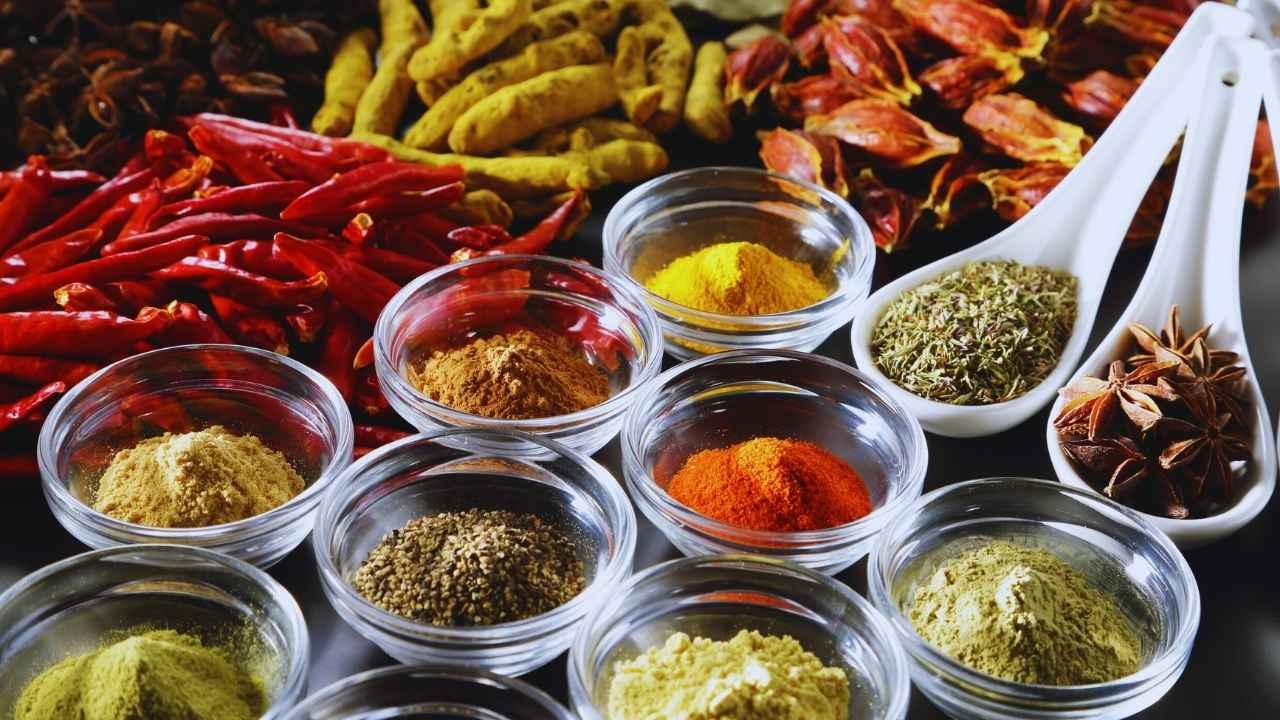
Leftovers are a staple in many kitchens, often trailing behind the initial excitement of the meal. Whether from a busy week or a celebratory feast, stored dishes can lose their charm over time. Spice blends, however, provide a creative solution. They can alter yesterday’s meal into something tantalizing and fresh, all without significant financial or time investments.
As we move toward 2025, with food prices on the rise and a focus on eco-friendliness growing, leftover ingredients are being embraced in new, inventive ways. No longer merely remnants, they signify culinary potential waiting to be unlocked with the correct blend of spices.
Spice blends have the magical ability to entirely change the taste and identity of dishes—from bland to brilliant. A gentle lentil soup can transform into something robust, a mundane rice bowl can be turned into a lively stir-fry, and leftover veggies can become exciting wraps—all thanks to the right seasonings.
The Power of Spice Blends with Leftovers
Spices do more than enhance taste; they infuse layers of flavors that combat monotony. Once stored, leftover meals often lose their charm and aromas. The appropriate spice mix can rejuvenate these dishes, covering old notes while bringing new, vibrant flavors to the forefront.
Cuisines worldwide utilize spice blends to breathe life into meals. Families in various regions leverage these flavor enhancers to transform older food into something exciting, making cooking practical, cost-effective, and environmentally friendly.
Moreover, spices hold well over time, making them a reliable choice for everyday cooking. A brief dash can dramatically improve a dish, eliminating the necessity for costly fresh ingredients. This makes spice blends an invaluable asset for busy families navigating time and budget constraints.
Versatile Leftovers That Could Use a Spice Touch
Not all leftovers are created equal when it comes to revamping. Rice, potatoes, lentils, chicken, vegetables, and flatbreads are especially adaptable, absorbing an array of new flavors effortlessly due to their adaptable bases. A simple bowl of leftover rice can take on various cuisines—Mexican, Indian, Middle Eastern, or Asian—just through spices.
Leftover potatoes can adopt exciting flavor profiles—ranging from smoky to herbed. With the right spices, lentils can turn into hearty dishes or fresh spreads. Even leftover breads can be remade into crispy snacks or flavorful wraps with just a hint of spices.
It’s about creating new experiences, not just masking what’s old.
Indian Spice Blends for Flavorful Transformations
With some of the world’s richest spice combinations, Indian kitchens offer depth and richness to a variety of meals.
Garam masala is among the most common blends, and a pinch can elevate leftover vegetables or lentils remarkably. Its fragrant mix of spices imparts richness to any dish.
Chaat masala is another favorite, providing a tangy and slightly spicy twist to cold leftovers. A sprinkle of it can instantly enhance leftover paneer, potatoes, or rice salads.
Sambar powder, rasam powder, pav bhaji masala, biryani masala, and chole masala are also quick ways to transform older meals into exciting new creations.
Middle Eastern Spices for Richness
Middle Eastern spices impart warmth and flavor depth to leftovers. Za’atar—an aromatic blend—is perfect for refreshing grilled veggies, flatbreads, and meats.
Baharat adds a fragrant balance to lentils and stews, while a spoonful stirred into roasted veggies can turn them into a gourmet side.
Dukkah, a delightful mix of nuts and spices, offers crunch and flavor—sprinkle it over soups, salads, or breads for an added texture.
Asian Spice Blends for Intensity
Asian cuisine offers spice blends bursting with intensity. Chinese five-spice enriches leftover meats, tofu, and veggies beautifully.
Togarashi from Japan brings in fiery and citrus undertones, effectively elevating rice and noodle leftovers. Gochugaru, a Korean spice, enhances the depth of soups and vegetables.
These blends make transforming leftovers into extraordinary meals quick and easy.
Latin American Spice Blends for Zest
Latin American culinary traditions use spice blends to inject zest and vibrancy into meals. Adobo seasoning, with its rich combination of spices, revitalizes leftover chicken or beans.
Mexican chili blends can revamp leftover rice into zesty Mexican rice or convert roasted vegetables into delicious taco fillings. Just a sprinkle of smoked paprika can bring warmth to potatoes or lentils.
These spice blends transform simple dishes into exciting, colorful meals.
Innovative Ways to Revamp Leftover Rice
Rice is a fantastic candidate for reinventing leftovers. Simple spices can turn it into a brand-new dish.
A spiced fried rice can be achieved with additions like cumin or chili flakes. A tangy variant might include lemon pepper or chaat masala.
You can create a Mexican-style rice by sautéing it with garlic, paprika, and onions. Even simpler spices like za’atar or baharat paired with some veggies provide a delightful alternative.
These blends reinvigorate rice without the need for additional ingredients.
Transforming Leftover Potatoes with Spices
Potatoes are fantastic at soaking in spices. Rightful seasoning can invigorate leftover boiled or roasted potatoes into enticing dishes.
Toss potatoes with turmeric and chili powder for a warm, flavorful dish. A sprinkle of chaat masala can provide an unexpected twist, bringing tangy flavors to meet the creaminess.
Even leftover mashed potatoes can carry strong flavors like garam masala, making for delicious snacks.
Exciting Lentils Transformations
Lentils often lose their appeal when stored. Spice blends can bring them back to life effortlessly.
A scoop of sambar powder can elevate plain lentils to a whole new level. Mexican spices can convert them into inventive lentil stews, while Middle Eastern spices introduce rich depth.
Leftover lentils can be used as spreads or blended to make smooth soups, fueled by a spectrum of spices.
Reviving Leftover Vegetables
When stored, vegetables often lose their appeal, but spices can rejuvenate their flavors. Tossing leftover veggies with cumin and garlic powder warms them up beautifully. Adding za’atar or togarashi will bestow a refreshing twist.
Cooked with leftover rice or noodles, the spiced veggies can enrich the entire dish for a complete meal.
When Leftover Chicken or Meat Gets a Makeover
Leftover chicken can feel less appealing, but the right spices can restore its vibrancy. Mixing it with adobo seasoning or garam masala reanimates its taste. Middle Eastern spices can create flavorful kebab-style fillings.
While shredded chicken means endless possibilities for wraps or sandwiches—even mundane leftovers can shine with the right spices.
Flavorful Snacks from Leftover Breads
Bread can stale rapidly, but spice blends can easily revitalize them.
Cut leftover flatbreads into strips, season with olive oil and garlic, and crisp into delightful snacks. Slices can be toasted with herbs for an enjoyable crouton experience.
Creating Culinary Fusion Meals
Today's kitchens embrace flavor experiments. Spice blends are invaluable for infusing global notes into leftover dishes.
Merging Indian spices with noodles results in an Indo-Asian culinary experience. Mixing Mexican spices with lentils adds a unique twist, while Middle Eastern spices paired with rice create aromatic pilafs.
Spices: Reducing Waste and Enhancing Variety
By creatively transforming leftovers, spice blends are pivotal in minimizing food waste. Instead of discarding unappealing meals, families can think outside the box.
Efficient utilization of spices not only supports budgets but also ensures weekly meals remain dynamic and engaging, with no two days sharing the same flavor.
Gazing Forward: Innovating Home Cooking
As financial priorities shift and convenience becomes key, revamping leftovers with spices is set to trend. It seamlessly marries practicality with creativity, making cooking enjoyable again.
With spices, leftovers stop being a problem—they become opportunities for quick, delightful meals. With the right blends, every dish takes on new life, and cooking transforms into a cheerful, stress-free adventure.
Disclaimer:
This article is for informative and everyday cooking purposes only. It offers no dietary or medical advice. Adjust spices and ingredients according to your personal preferences and dietary needs.