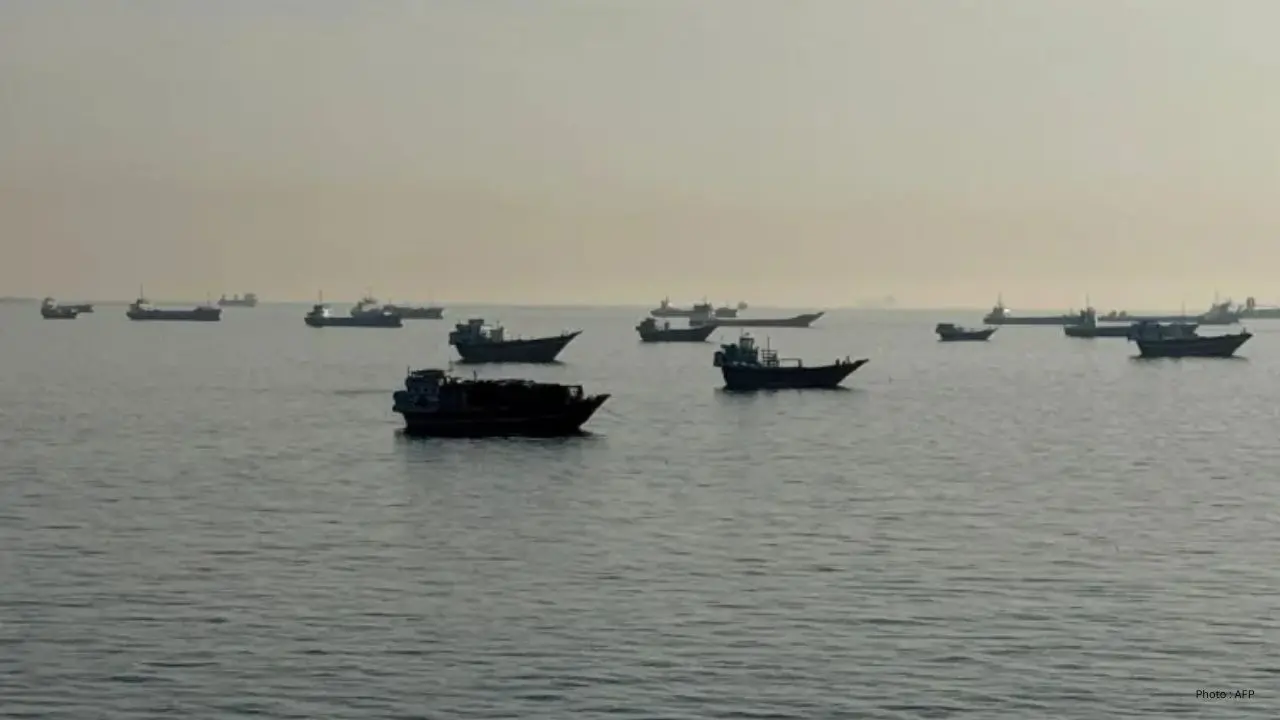
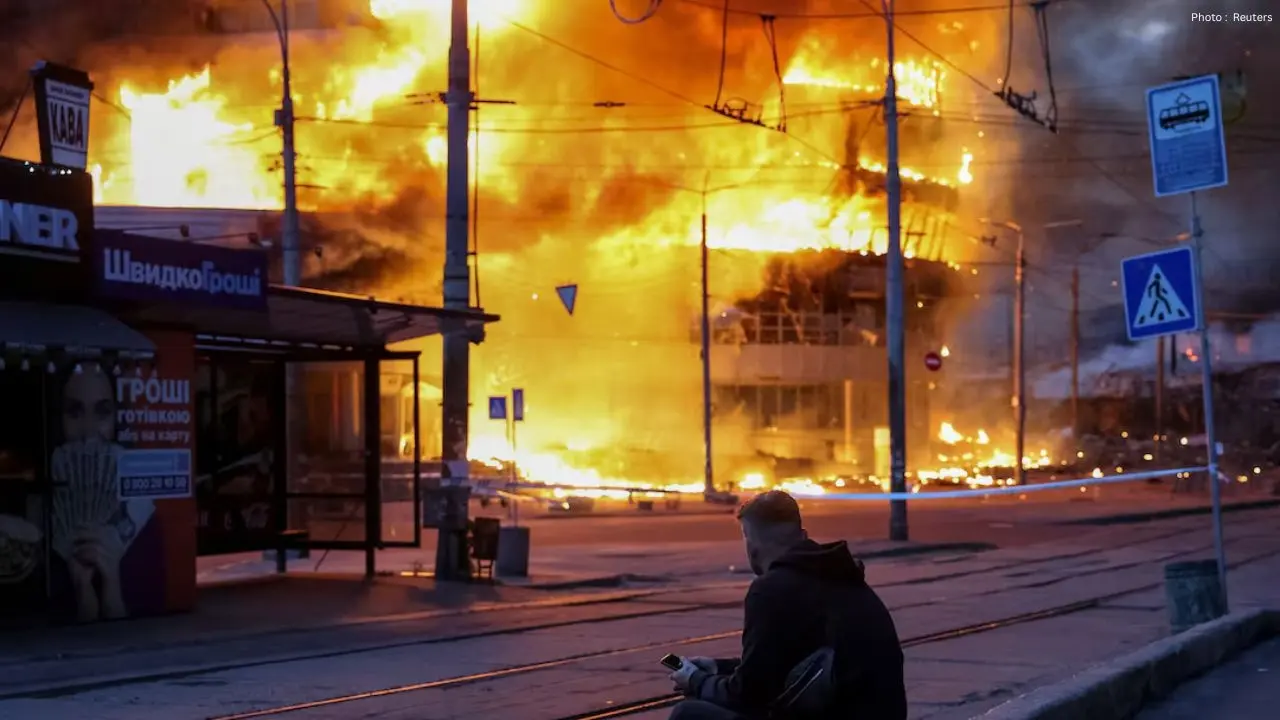
The United States military launched fresh strikes on targets in southern Iran even as diplomatic talks between American and Iranian officials continued in Qatar. According to U.S. Central Command (CENTCOM), the attacks targeted missile launch sites and Iranian vessels that were allegedly attempting to place naval mines near the Strait of Hormuz. American officials described the operation as a “self-defense” action aimed at protecting U.S. troops and military assets in the region.
The strikes reportedly took place near key coastal areas in southern Iran, including regions close to Bandar Abbas, Sirik, and Jask. Iranian media confirmed explosions in some of the targeted areas, while reports suggested that several members of Iran’s Revolutionary Guard forces may have been killed during the attacks. However, Iranian authorities strongly condemned the military operation and accused Washington of violating international law during sensitive diplomatic negotiations.
According to CENTCOM spokesperson Captain Tim Hawkins, U.S. forces acted after detecting Iranian boats attempting to deploy mines in strategic waterways near the Strait of Hormuz. The waterway is one of the world’s most important oil shipping routes, with a large percentage of global energy supplies passing through it every day. American officials feared the mines could threaten international shipping, military vessels, and commercial oil transport across the Gulf region.
At the same time, high-level negotiations were taking place in Doha, Qatar, where Iranian officials met with Qatari mediators and indirect American representatives to discuss a possible agreement aimed at ending months of military tensions. Reports said Iran’s Foreign Minister Abbas Araghchi and senior negotiators were involved in the discussions, while the United States continued pushing for broader security arrangements linked to Iran’s nuclear activities and regional military operations.
Despite the military action, U.S. President Donald Trump said negotiations with Tehran were still “proceeding nicely.” American officials insisted that the strikes were limited defensive operations and did not mean the collapse of ongoing peace efforts. Secretary of State Marco Rubio also stated that diplomacy would continue while Washington protected its forces and shipping routes in the Gulf.
The latest escalation comes during a fragile ceasefire that has officially remained in place since April following months of conflict between Iran, the United States, and Israel. Although direct large-scale fighting has reduced, tensions remain extremely high across the Middle East due to repeated military incidents, drone attacks, naval confrontations, and disagreements over Iran’s nuclear program.
One of the biggest disagreements in the negotiations remains Iran’s stockpile of highly enriched uranium. President Trump recently repeated demands that Iran either transfer the material to the United States or destroy it under international supervision. Iran, however, has resisted those demands and insists that its nuclear activities are peaceful and part of its national rights.
The talks in Qatar are also reportedly focused on reopening and securing the Strait of Hormuz, which has faced repeated threats during the conflict. International energy markets remain highly sensitive to any instability in the region because disruptions in Gulf shipping can quickly affect global oil prices and trade routes. Following reports of the latest strikes, oil markets showed signs of nervousness as investors monitored the situation closely.
Iranian officials warned that continued American military action could damage trust in the negotiations and increase regional instability. Tehran also criticized Washington for carrying out strikes while claiming to support diplomacy. Some Iranian leaders argued that peace talks cannot succeed if military pressure continues alongside negotiations.
International observers say the situation remains highly unstable because both sides are trying to balance diplomacy with military pressure. Analysts believe the coming days could be critical in deciding whether the talks in Qatar lead to a wider agreement or whether tensions in the Gulf region rise further. Despite ongoing negotiations, the latest strikes show that the risk of another major escalation in the Middle East remains very high.