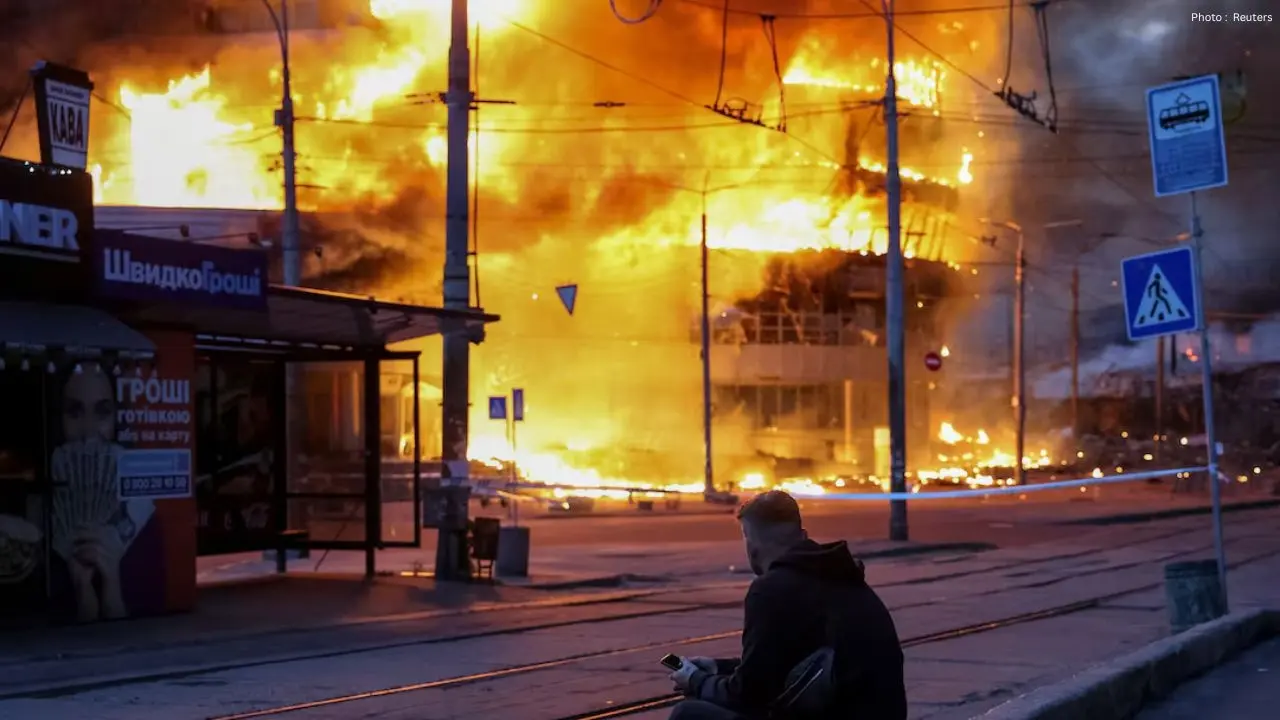
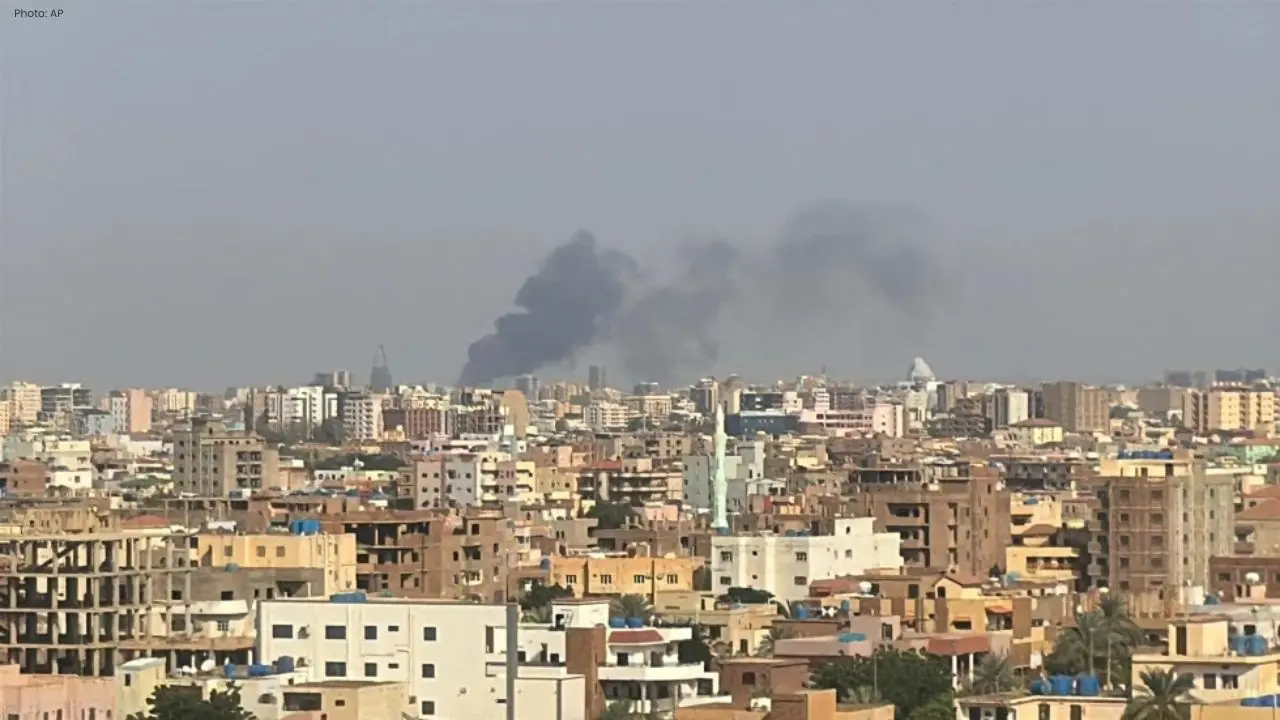
An energy facility was struck by a missile in Russia's Belgorod region, which borders Ukraine, intensifying worries surrounding regional security and the effects of the ongoing conflict on vital infrastructures.
Officials at the local level affirmed that the attack damaged an energy-related site, prompting emergency responders and technical teams to commence repair work promptly. Enhanced monitoring measures were also implemented in neighboring areas to deter any potential disruptions.
Belgorod has become a focal point of concern, especially as hostilities with Ukraine escalate. This area has seen repeated drone strikes, shelling, and missile activity over recent months.
This latest attack underscores the susceptibility of energy facilities in contemporary warfare, as those related to electricity and fuel supply are frequently prioritized as strategic targets, critical for sustaining both civilian life and economic operations.
Local emergency services acted swiftly following the missile strike. Crews were dispatched to evaluate the damage and restore essential services as soon as feasible. However, a complete assessment regarding the extent of the damage and potential operational setbacks has not yet been disclosed by officials.
This incident raises broader concerns about the stability of regions along the border and the protective measures necessary for infrastructure in these sensitive areas.
Energy facilities are pivotal for transportation, industry, communications, and daily public services. Damage to such assets can lead to significant economic and social ramifications, especially during times of military conflict.
Belgorod's proximity to the combat zone has kept it in the headlines, with residents subjected to ongoing security alerts, evacuations, and fears of cross-border strikes.
In light of increasing military tensions, Russian authorities have ramped up defense mechanisms in border territories. Enhanced air defense systems, observation initiatives, and rapid response teams have been established in areas deemed vulnerable to attacks.
As the conflict unfolds, infrastructure on both sides has suffered damage. Power plants, fuel storage facilities, transport networks, and industrial sites have all sustained impacts amid the ongoing hostilities.
Analysts suggest that assaults on critical infrastructure aim to undermine operational capacities while instilling economic unease and public doubt.
The repercussions of such attacks can reverberate through energy markets as geopolitical strains can shake investor assurance and economic performance in the region.
Although the hit facility is within Russia, the fallout from these incursions often has wider implications on global markets. Disruptions in energy can alter supply chains, affect fuel prices, and alter production and transportation costs internationally.
This scenario also illustrates how the nature of modern warfare transcends conventional battlefield encounters, with drone strikes, cyber threats, missile attacks, and infrastructure sabotage becoming fundamental aspects of current conflict strategies.
For civilians residing in nearby border areas, these recurrent attacks foster ongoing anxiety and unpredictability. Continuous alerts, loud explosions, and stringent security measures heavily impact the daily lives of residents near such conflict zones.
Observers from the international community are vigilant as activities from both sides unfold with no signs of an imminent peace agreement.
The war has significantly influenced humanitarian efforts, economies, and political landscapes throughout Europe and beyond. Attacks on strategic infrastructures further deepen concerns about potential escalations and stability in the region.
Experts assert that safeguarding energy systems will remain a foremost concern for nations involved or affected by the conflict. Reliable energy networks are deemed vital for sustaining economic activities, communication channels, healthcare systems, and public security during crises.
The attack in Belgorod illustrates the intricate ties between security measures and infrastructure safeguarding in the context of today's geopolitical conflicts.
As restoration efforts proceed and the full ramifications of the attack are explored, focus is set to remain on border security, regional defenses, and the ongoing threats to vital infrastructure connected to the Russia-Ukraine strife.