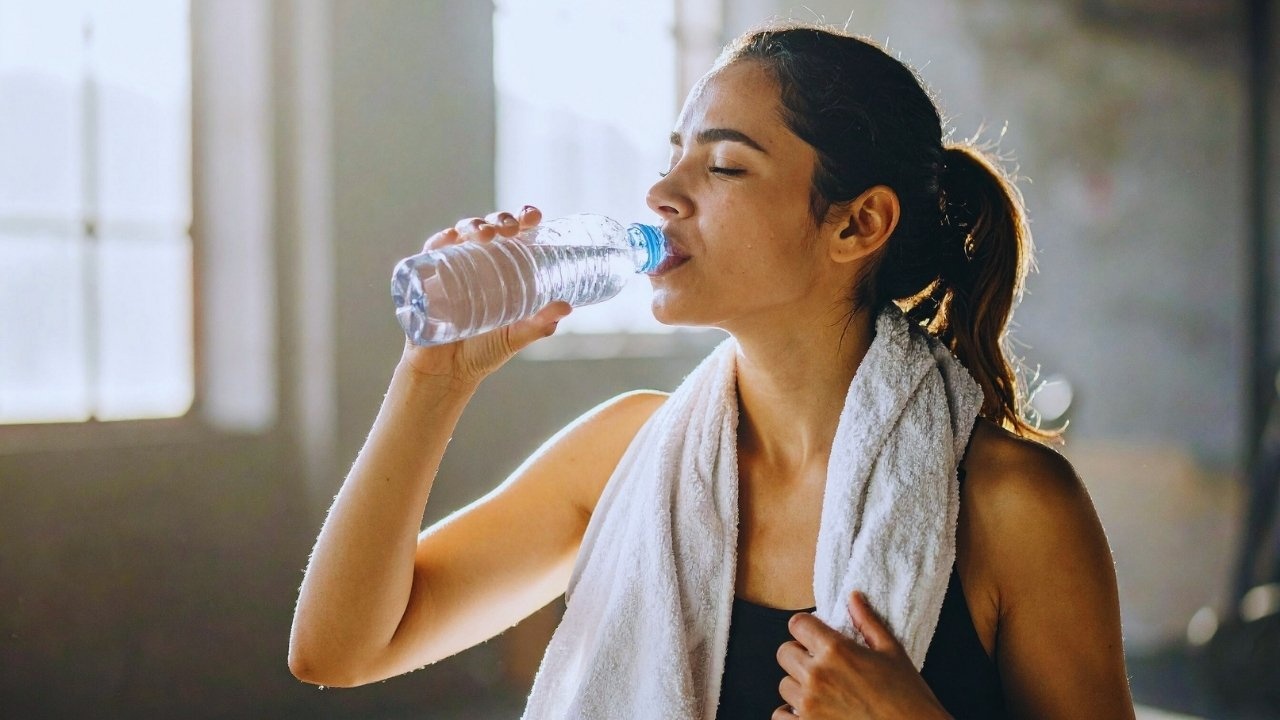
Hydration advice is ubiquitous, often oversimplified. True hydration varies per individual, influenced by factors like sweating differences, daily diets, climates, and levels of physical activity. Many tend to over-hydrate, assuming it’s beneficial, while others may not drink enough, unaware of how dehydration can subtly develop.
Water is vital, but determining the right amount is essential.
Let’s clarify hydration with a realistic approach tailored for daily needs, steering clear of extreme wellness trends.
A person working in climate-controlled conditions may require less hydration than those spending all day outdoors, while gym enthusiasts often need more than those in sedentary roles.
This range allows flexibility, rather than adhering to a fixed quota.
If your diet includes high-water foods such as fruits, vegetables, soups, and yogurt, your overall fluid intake is boosted without the need to focus exclusively on plain water.
Light yellow urine (not completely clear or dark)
Rarely feeling thirsty
Normal, not frequently dry lips
No unexplained fatigue
Consistent energy levels throughout the day
Hydration is subtle; your body communicates through gentle reminders rather than loud alerts.
Indicators of Insufficient Hydration
Be vigilant for these signs:
Dry lips and mouth
Headaches
Unusual fatigue
Constipation issues
Pungent, dark-colored urine
Dry skin with no other explanation
Muscle cramps
Dizziness upon standing
Cognitive fog and irritability
Many confuse mild dehydration for needing coffee or simply feeling tired, when in reality, it’s a signal for water intake.
Can You Overdo Hydration? Yes, Indeed.
The excessive hype around hydration can lead to overconsumption.
Overhydration may result in:
Keep in mind: hydration is about need, not excess.
Hydration Necessities in Indian Lifestyles
Office/Desk Jobs
1.5–2.5 liters depending on air conditioning and workload.
Outdoor Jobs
2.5–4 liters, particularly with electrolyte intake on hot days.
Gym or Sports Activities
Add another 500ml–1 liter plus sodium/potassium through foods or drinks.
Hot & Humid Areas
Increased sweating leads to unnoticed fluid losses; hydrate regularly.
High Altitude Travel
With dry air, hydration becomes increasingly crucial.
Winter Hydration
People tend to forget to drink, but dry winter air can dehydrate stealthily. Keep warm water accessible.
Foods Contributing to Hydration
Hydration isn’t just about drinking; it can also come from food.
High-water content Indian foods include:
| Food |
Hydration Benefit |
| Cucumber |
Electrolytes + cooling |
| Coconut Water |
Natural minerals |
| Curd/Buttermilk |
Supports digestion + hydration |
| Watermelon/Melon |
Natural sweetness + water |
| Methi & spinach |
Hydrating leafy greens |
| Moong dal soup |
Protein + fluids |
| Sabja seeds |
Cooling effects |
| Fruits like oranges, pineapple, pears |
Vitamin-enriched hydration |
A balanced hydration approach incorporates water, minerals, and fiber.
Electrolytes: The Overlooked Aspect of Hydration
Sodium, potassium, and magnesium are crucial.
When exercising or drinking excessive plain water, key minerals may be lost.
Natural food sources include:
Electrolytes are fundamental for sustaining energy, muscle function, and nerve activity.
Hydration Myths—Busted
Myth: More water = better skin
Fact: Balanced hydration, nutrition, and quality sleep have a larger impact. Water doesn’t cure skin issues, though dehydration can make it appear dull.
Myth: Drink consistently, even when not thirsty
Fact: Hydrate regularly, but heed your thirst and urine color.
Myth: Only plain water is hydrating
Fact: Fruits, soups, chaas, and coconut water contribute to hydration too.
Myth: Clear urine equals perfect hydration
Fact: Completely clear urine often indicates overhydration; aim for a pale yellow shade instead.
Crafting a Practical Hydration Routine
You needn’t rely on apps or timers; it’s all about establishing habits.
Upon Waking
Drink 1 glass of room temperature or warm water.
Before Each Meal
Consume half a glass to aid digestion and control portions.
Mid-Morning
Enjoy hydrating fruits or coconut water.
Afternoon
Pursue buttermilk or lemon-infused water.
Evening
Limit water intake; refrain from chugging right before bed.
During Workouts
Go for sips rather than gulps.
Gradual sipping > large gulps
Hydration is about cadence, not hurry.
Practical Hydration Tips for Work & Travel
Carry a lightweight water bottle—avoid cumbersome large containers.
Incorporate water breaks while stretching your legs.
Keep lemon and salt on hand for quick hydrating drinks.
Require one glass of water upon returning from errands or commuting.
In transport hubs, choose healthy options like water and fruit over sugary beverages.
The Hydration-Digestion Connection
Insufficient hydration can lead to:
Constipation
Gastric acidity
Hard stools
Bloating
Warm water can aid gut health, while some may find cold water slows digestion.
Experiment with both options to determine what suits your body best.
Signs Kids & Seniors Require More Fluid
Children might overlook their water needs, while seniors may experience diminished thirst cues.
Look for signs like:
Encourage frequent consumption of water-rich foods and beverages.
Unique Cases Where Hydration Requirements Vary
Consult experts if:
You have kidney complications
You’re pregnant or nursing
You’re on diuretic medications
You suffer from heart or hypertension issues
You experience recurrent foot swelling
You are on strict sodium restrictions
Customized guidance is essential.
Simple Everyday Hydration Enhancements
Utilize a clay bottle in the summer
Infuse water with herbs (mint/lemon/ginger)
Opt for warm water during winter
Occasionally incorporate sabja seeds in drinks
Consume oranges or papaya after exercising
Include chia or soaked raisins for morning hydration
Consistency far outweighs novelty.
Conclusion
Hydration need not be a challenge—it’s about establishing a rhythm.
It’s not about mandating 8 glasses; it’s about recognizing your body’s signals.
Your thirst guides you.
Your urine reflects your hydration level.
Your energy signals when you're adequately hydrated.
Hydrate mindfully without stress.
Incorporate both fluids and food.
Balance sodium, don’t eliminate it.
Sip consistently instead of guzzling under pressure.
Your wellness thrives on consistency—not extremes.
Disclaimer:
This article offers general insights into hydration practices. Individuals facing medical issues that impact fluid management should seek personalized advice.