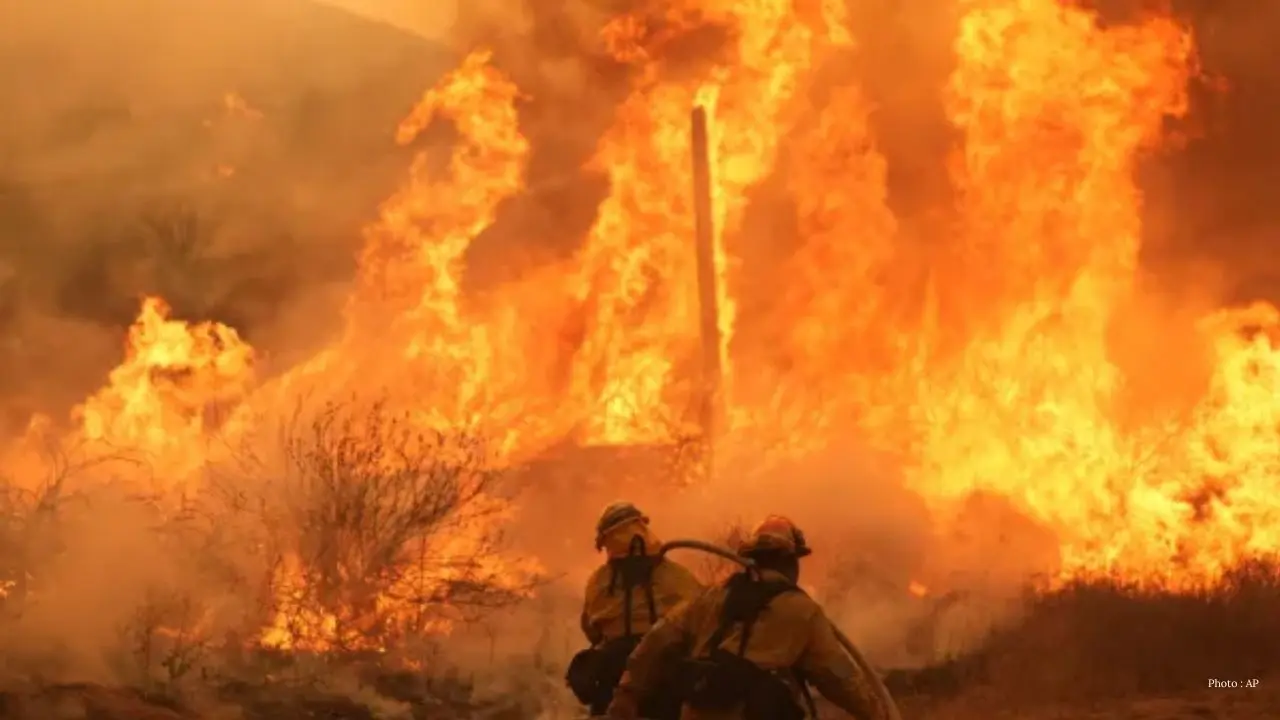
British Columbia is expected to face one of its most dangerous wildfire seasons in 2026, with experts warning that the province could experience the “highest and most sustained” wildfire risk in recent years. Officials and climate specialists say ongoing dry conditions, rising temperatures, and lower-than-normal rainfall are creating serious concerns ahead of the peak summer season.
According to wildfire experts, many parts of British Columbia are already showing signs of extreme dryness earlier than usual. Forest areas across the province have received limited moisture during the winter and spring months, increasing the possibility that fires could spread rapidly once temperatures continue rising. Authorities fear the wildfire season may last longer than normal and affect larger areas if weather conditions remain severe.
Emergency management officials have warned that communities near forests and rural regions could face increased threats from fast-moving wildfires, smoke, and evacuation orders. The province has already experienced several devastating wildfire seasons in recent years, with thousands of residents forced to leave their homes and millions of hectares of land destroyed by flames.
Climate scientists say climate change continues to play a major role in worsening wildfire conditions across western Canada. Higher temperatures and extended dry periods have created an environment where forests become more vulnerable to large fires. Experts also point to stronger winds and lightning activity as additional factors that could increase wildfire intensity during the 2026 season.
The B.C. government is preparing emergency response plans and increasing coordination with firefighters, local governments, and emergency agencies. Officials say resources are being reviewed carefully to ensure crews can respond quickly if major fires break out across the province. Authorities are also encouraging residents to prepare emergency kits and stay informed about wildfire alerts throughout the summer.
Public safety officials have reminded residents to avoid activities that could accidentally start fires, especially during periods of extreme heat and dry weather. Campfires, discarded cigarettes, and equipment sparks are often linked to wildfire outbreaks during high-risk periods. Fire bans and restrictions may also be expanded if conditions continue to worsen.
Environmental experts warn that severe wildfire seasons can have long-term effects on air quality, wildlife habitats, tourism, and local economies. Smoke from large fires can spread across provinces and even reach parts of the United States, affecting millions of people and creating health concerns for vulnerable residents.
The warning about British Columbia’s 2026 wildfire risk has already drawn national attention, as Canadians continue to remember the destructive wildfire emergencies that affected communities across the country in recent years. Officials say preparation and early response efforts will be critical in reducing damage and protecting lives during the upcoming season.
Authorities are expected to continue monitoring weather patterns closely over the coming months as the province enters what could become one of the most challenging wildfire periods in its history.