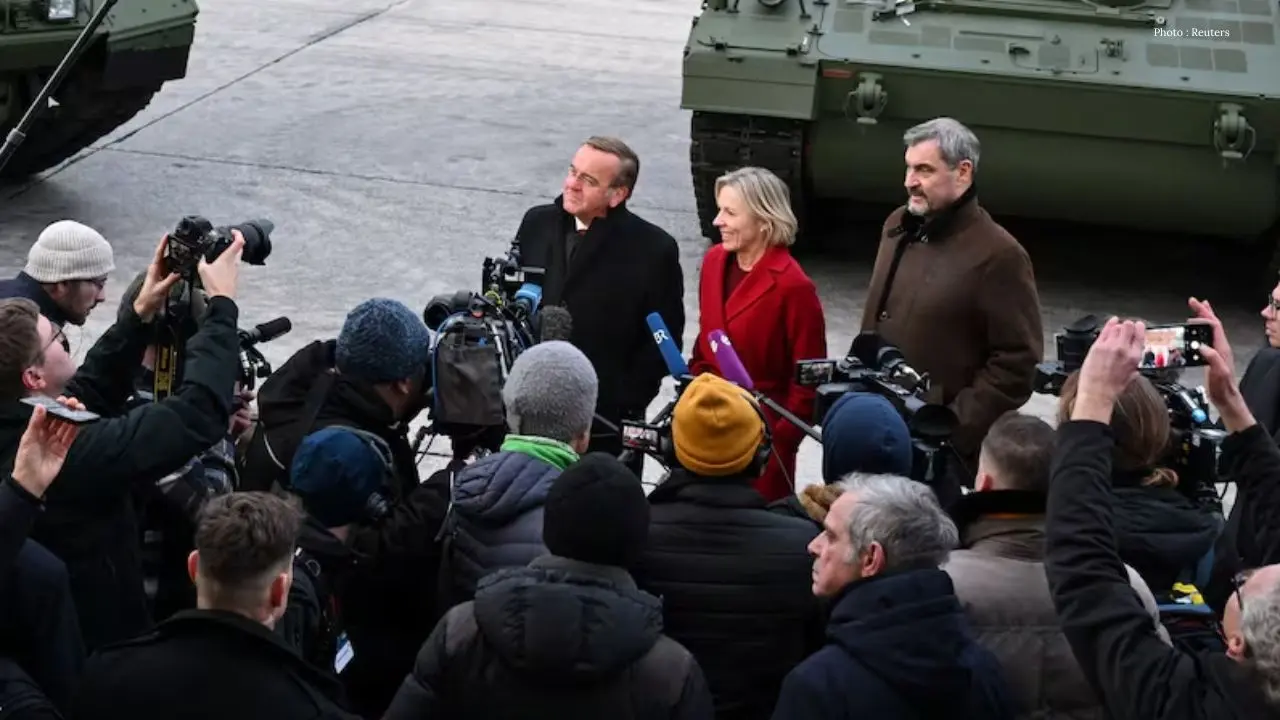
Germany and Norway are making a major push to convince Canada to join a shared submarine program that could become one of the largest conventional submarine fleets in the world. The proposal is part of Canada's multibillion-dollar effort to replace its aging Victoria-class submarines and strengthen its military presence in the Arctic, North Atlantic, and Pacific regions. The joint offer is being presented as more than a defence contract — it is being promoted as a long-term strategic partnership between NATO allies.
Canada is currently searching for up to 12 new conventionally powered submarines under the Canadian Patrol Submarine Project, a defence program expected to cost tens of billions of dollars over several decades. The Royal Canadian Navy has faced increasing pressure to modernize its submarine fleet as existing vessels age and concerns grow about military activity in Arctic waters and the North Atlantic.
The German-Norwegian proposal centers on the advanced Type 212CD submarine, a modern diesel-electric vessel designed specifically for operations in northern waters. German Defence Minister Boris Pistorius has personally promoted the offer, describing it as an opportunity for Canada to join a larger allied submarine network. According to Germany, if Canada joins the project, the three countries could eventually operate up to 24 submarines based on the same platform, creating one of the world's largest fleets of conventional submarines.
A major selling point of the proposal is speed. Canada has made it clear that it wants several submarines delivered before its current fleet begins retiring in the 2030s. To meet this requirement, Germany and Norway have offered an unusual solution. Both countries are reportedly willing to give up submarines already planned for their own navies and move Canada ahead in the production line. Under the proposal, Canada could receive four submarines by 2036, helping avoid a capability gap as older vessels leave service.
German officials argue that the Type 212CD is especially suited for Arctic and North Atlantic missions. The submarine uses advanced air-independent propulsion technology, allowing it to remain underwater for long periods without surfacing. Defence experts say this capability is particularly valuable in the Arctic, where stealth and endurance are critical for surveillance, intelligence gathering, and deterrence operations.
The proposal also includes major economic incentives. Germany and Norway are offering industrial partnerships, maintenance facilities, training programs, and long-term investments in Canada's defence sector. Supporters of the bid argue that joining an existing multinational submarine program would reduce future operating costs because maintenance, upgrades, training, and logistics could be shared among allied fleets.
However, the German-Norwegian team faces strong competition from South Korean defence company Hanwha Ocean. South Korea is promoting its KSS-III submarine, which is already in active service and has been showcased directly to Canadian officials through a high-profile visit to British Columbia. Hanwha has also promised rapid deliveries, industrial investments, and significant economic benefits if selected.
The competition has become one of the most closely watched military procurement projects in Canada. Analysts say the final decision will involve much more than submarine performance. Ottawa must also consider delivery timelines, industrial benefits, alliance relationships, Arctic strategy, and long-term defence cooperation. Both proposals are viewed as strong contenders and are backed by major international partners.
For Canada, the decision could shape its naval capabilities for decades. As Arctic security becomes increasingly important due to climate change, expanding shipping routes, and growing military competition in the region, submarines are expected to play a central role in protecting Canadian sovereignty and supporting NATO operations. The country's future fleet will likely remain in service well into the second half of the century.
With a final decision expected soon, Germany and Norway are presenting their shared fleet vision as a strategic partnership built around common security interests, Arctic defence, and NATO cooperation. Whether Canada chooses the European-backed Type 212CD or South Korea's KSS-III submarines, the outcome will be one of the most important defence decisions in modern Canadian history.