In the early hours of July 29, 2025, a significant fire broke out in the heart of Montreal’s downtown core, prompting a massive response from the city’s fire department. The incident unfolded on the well-known Saint-Laurent Boulevard, a bustling artery that cuts through the center of Montreal and is surrounded by historic buildings, restaurants, shops, and residential units. The fire, which quickly escalated in severity, drew over 90 firefighters and caused widespread disruption in the city center.
This event raised not only safety concerns but also broader questions about the state of Montreal’s aging infrastructure, the preparedness of emergency response teams, and the ongoing challenges posed by fire hazards in dense urban environments. As investigators begin piecing together the origin of the blaze, residents and city officials alike are reflecting on the vulnerabilities within one of Canada’s most vibrant cityscapes.
How the Fire Started: Early Morning Chaos
The fire reportedly started sometime before dawn. Smoke was first seen rising from the rear section of a mixed-use building on Saint-Laurent Boulevard. The structure, like many in downtown Montreal, housed both commercial businesses on the ground floor and residential apartments above. Passersby and nearby residents noticed smoke and flames emanating from the lower portion of the building, leading to multiple emergency calls to fire services.
Upon arrival, firefighters were met with growing flames that had already begun climbing the back wall of the building. The fire’s fast progression through interconnected units and older construction materials raised immediate red flags for those on scene. The layout of the building and its proximity to other structures posed a serious risk of the fire spreading uncontrollably if not contained swiftly.
Deployment of Fire Crews and Emergency Protocols
Montreal's fire department reacted rapidly. More than 90 firefighters from various stations across the city were dispatched to the scene. Due to the fire's location in a densely packed neighborhood with narrow lanes and heavy infrastructure, coordination was essential.
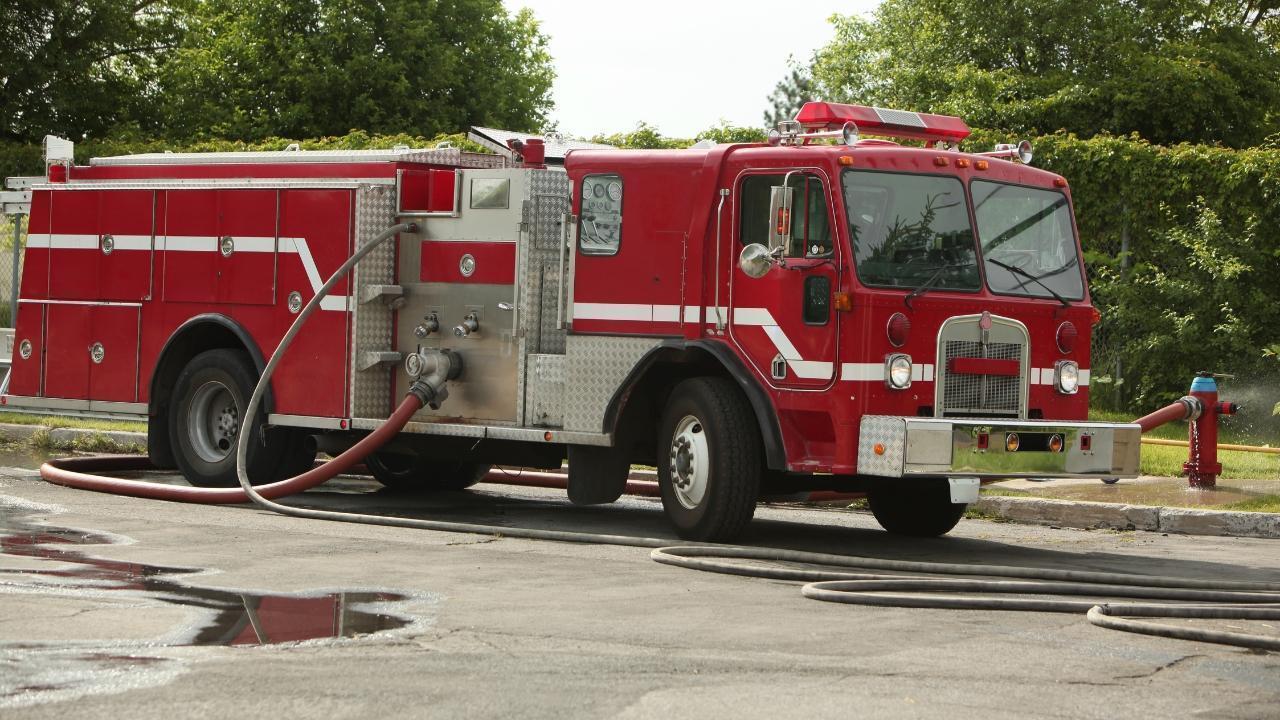
Fire trucks lined Saint-Laurent Boulevard and surrounding intersections, while water lines were run from nearby hydrants. Aerial ladders were deployed to attack the fire from above, while ground teams entered the building’s main and rear entrances with hoses and thermal imaging equipment to locate the seat of the blaze.
Given the size of the fire and the potential for it to jump to neighboring structures, a multi-alarm response was triggered. Several fire commanders were tasked with overseeing different sectors of the response, from external suppression to internal evacuation and safety monitoring.
Evacuations and Community Impact
Fortunately, there were no reported injuries as a result of the fire. Residents living in the building and those in adjacent units were evacuated as a precaution. Emergency crews conducted thorough sweeps to ensure no one was trapped inside. In instances where smoke had already penetrated residential areas, firefighters guided residents to safety using breathing apparatuses.
The Canadian Red Cross arrived on scene to assist with temporary shelter and necessities for those displaced by the fire. Many residents, some with only the clothes on their backs, were offered accommodation, meals, and mental health support.
The fire's proximity to key roads and businesses meant that downtown Montreal faced major disruptions throughout the day. Several streets, including sections of Saint-Laurent Boulevard, were closed to traffic. Public transit routes were diverted, and business operations in the vicinity were temporarily suspended due to smoke, safety hazards, and cordoned-off zones.
Extent of the Damage and Structural Risk
While the fire was successfully brought under control, the building suffered extensive damage. Flames gutted several interior rooms, and the roof sustained partial collapse in one section. Commercial units on the ground floor were heavily damaged by both fire and water. Above, residential units were left uninhabitable due to smoke infiltration and structural instability.
Inspectors have begun examining whether the building remains safe or requires partial demolition. Concerns about fire resistance in Montreal’s older buildings have surfaced repeatedly in recent years, particularly in light of several high-profile fires across the city. Buildings that predate modern fire codes often feature wooden interiors, outdated wiring, and limited fire barriers, making them particularly vulnerable once a blaze ignites.
Ongoing Investigation Into the Cause
As with all serious fires, an investigation has been launched to determine the exact cause. Early indications suggest that the blaze may have originated in the rear portion of the commercial space—an area often used for storage or food preparation in urban storefronts. Investigators are now working to determine whether an electrical fault, unattended appliance, or another human-related factor triggered the fire.
The arson and technical investigation units are both involved. Investigators are collecting witness statements, reviewing any surveillance footage from neighboring buildings, and sifting through debris to identify ignition points. In cases like this, it can take weeks before a definitive conclusion is released to the public.
If foul play is suspected or evidence of code violations is uncovered, property owners could face penalties or even legal action.
Urban Fire Risks in Montreal’s Aging Infrastructure
This incident has renewed concerns about fire risks in Montreal’s dense urban landscape, especially in older buildings that may not meet current safety standards. Many of the city’s mixed-use buildings date back more than 70 years, and while they’ve been maintained and renovated, not all have been retrofitted with modern safety features such as sprinklers, fire-rated doors, or sealed stairwells.
Saint-Laurent Boulevard is lined with historic structures, some of which are protected for their cultural significance. Yet, those same buildings often face delays or exemptions from certain upgrades due to heritage designations. This tension between preservation and modernization is an ongoing challenge for city planners and safety officials.
The city has, in recent years, increased the frequency of fire inspections, especially in the wake of fatal incidents. However, the reality remains that enforcement gaps and resource limitations make it difficult to monitor every building adequately.
The Role of First Responders
The swift and coordinated response from Montreal’s fire services is being credited with preventing what could have been a far more catastrophic event. Firefighters acted decisively, despite the complex layout of the building and the narrow access typical of downtown cores.
Teams used thermal imaging technology to navigate through smoke-filled hallways, locate hotspots, and ensure that no individuals were trapped. The aerial units played a critical role in keeping the fire from jumping rooftops and spreading to nearby buildings.
The fact that no injuries were reported is a testament to both public compliance during evacuation and the professionalism of Montreal’s first responders.
Disruption to Commerce and Transit
Beyond the physical damage, the fire caused considerable disruption to everyday life in downtown Montreal. Businesses within the affected building—including cafés, boutique shops, and small offices—suffered property losses and were forced to shut down temporarily. Depending on the extent of their insurance coverage, some of these businesses may struggle to reopen.
The fire also affected major commuter routes. Buses were rerouted, and vehicles were kept out of the area for hours while crews managed the scene. Pedestrians were advised to avoid the area entirely, and several adjacent buildings were sealed off to ensure safety.
This disruption underlines how a single incident in a key urban corridor can ripple across transportation, economy, and community function.
Safety Measures Moving Forward
In the wake of this fire, local leaders and city safety officials are expected to revisit several ongoing discussions about urban fire safety. There may be increased calls for:
-
More frequent inspections of mixed-use and older residential buildings
-
Mandatory installation of smoke and heat detectors in all commercial spaces
-
Updated requirements for sprinkler systems in heritage buildings
-
Public education campaigns to improve awareness of fire prevention and evacuation procedures
City planners may also review traffic and infrastructure layouts to ensure fire trucks and emergency vehicles can access congested areas more quickly in the future.
Public Reaction and Community Resilience
Residents in the area responded with a mix of anxiety, frustration, and gratitude. Many expressed relief that no lives were lost, even as they watched beloved local businesses go up in flames. Community support networks were quickly mobilized, with neighbors offering shelter, clothing, and meals to displaced families.
This event, while traumatic, also showcased the resilience and solidarity of Montreal’s communities. City officials, emergency teams, and non-profit organizations worked in tandem to support those affected, demonstrating the strength of local crisis response systems.
The July 29 fire on Saint-Laurent Boulevard marks a serious but contained urban emergency. Thanks to rapid and strategic action by over 90 firefighters, a potentially deadly blaze was brought under control without any reported injuries. However, the incident serves as a stark reminder of the vulnerabilities in Montreal’s aging building stock and the need for continual investment in fire prevention and public safety.
As investigations continue and recovery begins, the city must grapple with pressing questions: Are its most historic neighborhoods equipped to handle modern safety risks? Are inspection systems robust enough to catch early warning signs? And are residents and property owners doing enough to reduce risks in their own spaces?
Only through collective awareness, infrastructure investment, and emergency readiness can Montreal move forward and prevent similar events in the future.