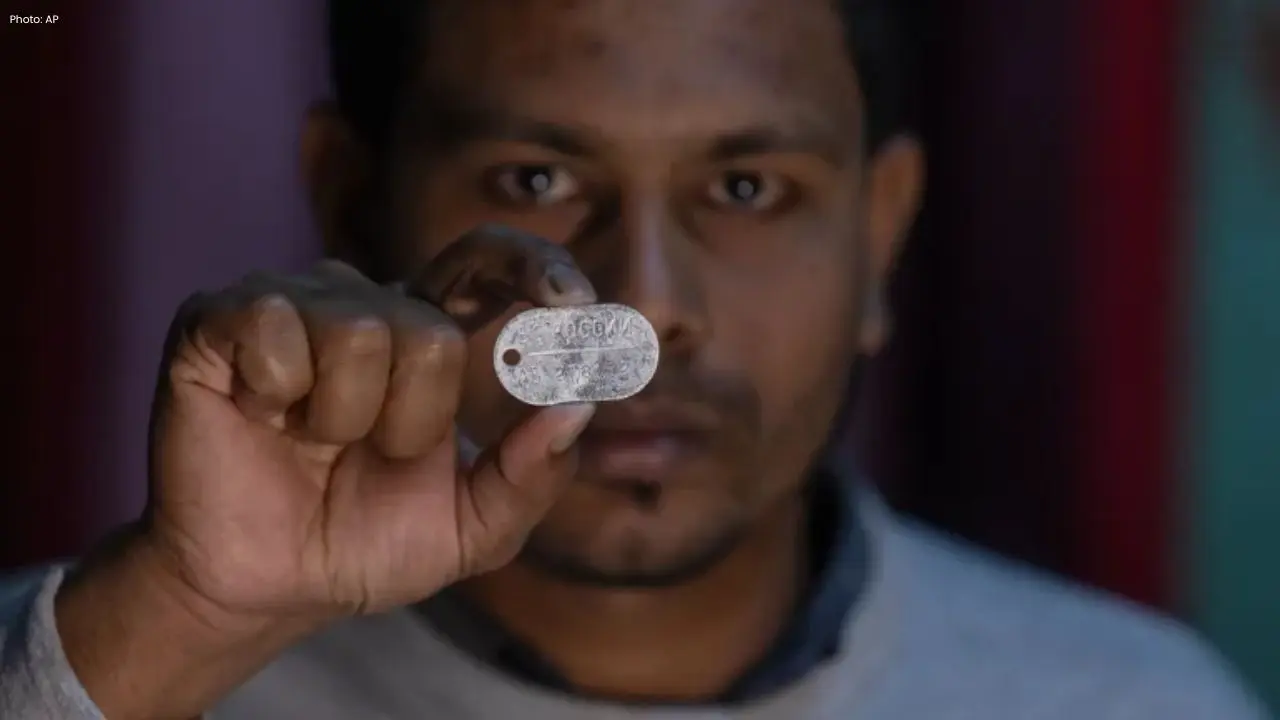
A group of Bangladeshi laborers seeking better job prospects in Russia have claimed they were misled by recruiters and coerced into serving in the ongoing Russia-Ukraine war.
Maksudur Rahman, hailing from Bangladesh, was lured by a recruitment agent with the promise of a janitorial position in Russia. However, upon reaching Moscow, he and fellow workers were compelled to sign documents in Russian, which they later discovered were military contracts.
Rahman recalls being transported to a military camp where they received training in drone operation, medical evacuation, handling heavy weaponry, and basic combat techniques. His protests about only wanting civilian work were met with a stark message from a Russian commander through a translation app, confirming that they had been “bought” by the recruiting agent.
According to Rahman, individuals who resisted orders faced threats of lengthy prison sentences, physical assaults, and intimidation. He ultimately escaped after enduring seven months of coercion. Families of other missing Bangladeshi nationals report similar experiences before losing touch with their loved ones.
Documents obtained by investigators, such as visas, employment contracts, medical records, and photographs, substantiate claims of forced participation in military activities. The workers recounted being forced to transport supplies, evacuate injured soldiers, and advance ahead of Russian forces amidst battles.
Another worker, Mohan Miajee, embarked on a journey to Russia for an electrician’s position at a gas facility. However, faced with difficult conditions, he was approached by a military recruiter claiming to offer a non-combat electronics or drone role, only to find himself relegated to a military base in eastern Ukraine.
Miajee reported being subjected to violence, handcuffing, and torture when he disobeyed commands or made errors, often exacerbated by language misunderstandings. He was confined in a basement cell and repeatedly assaulted before he eventually made his way back home.
The families of those affected have registered complaints with Bangladeshi authorities and visited Dhaka multiple times, pressing for action against recruiting agents. Several wives reported that their husbands faced threats of detention, starvation, or execution if they declined to engage in combat.
In one distressing incident, Ajgar Hussein, who believed he was traveling to Russia for a laundry job, sent a final message to his wife requesting her prayers, stating he had been forced to join the conflict.
So far, Russian and Bangladeshi officials have not responded to these allegations. Meanwhile, similar reports have surfaced from families in other South Asian and African nations, highlighting growing concerns about the exploitation of foreign workers amid this ongoing conflict.