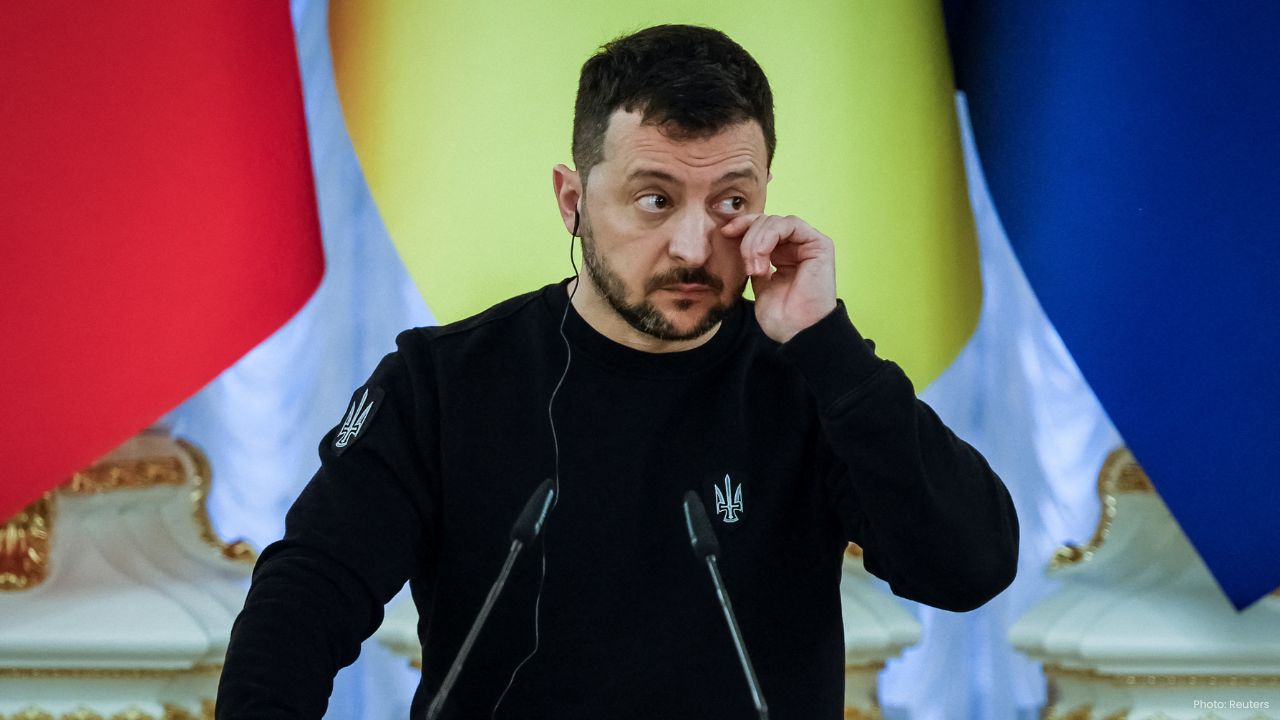
Ukraine’s President Volodymyr Zelensky has accused Russia of “doing everything it can” to prevent a meeting with Russian President Vladimir Putin, aimed at ending the ongoing war. Efforts to bring the two leaders together have been supported by US President Donald Trump, but Trump himself acknowledged on Friday that a meeting would be extremely difficult, comparing the leaders’ relationship to “oil and vinegar,” saying, “they don’t get along too well.”
Russian Foreign Minister Sergei Lavrov added to the uncertainty, stating that Putin is ready to meet Zelensky “when the agenda is ready for a summit, and this agenda is not ready at all.” He criticized Zelensky for rejecting key proposals, claiming Ukraine was saying “no to everything” during discussions.
US Diplomatic Push
After a week of intensive diplomacy, Trump first met with Putin in Alaska, then Zelensky met European leaders in Washington. Trump confirmed that after a call with Putin on Monday, arrangements for a summit between Putin and Zelensky were underway, which he planned to attend afterward.
Zelensky expressed his support for the idea of a meeting but emphasized the importance of security guarantees from Western allies to prevent any future Russian aggression following a peace deal. “Ukraine, unlike Russia, is not afraid of any meetings between leaders,” Zelensky said, underlining his commitment to diplomatic solutions while prioritizing national security.
During a visit to Kyiv, NATO Secretary General Mark Rutte explained that Trump’s initiative aims to “break the deadlock” in negotiations. Rutte noted that NATO is working closely with the US and Europe to ensure that Putin “will never try to attack Ukraine again.” Zelensky added that Ukraine’s security guarantees should reflect NATO’s Article 5 principle, which treats an attack on one member as an attack on all members.
“This is the beginning of a big undertaking, and it is not easy,” Zelensky said. “Guarantees consist of what our partners can give Ukraine, as well as what the Ukrainian army should be like, and where we can find opportunities for the army to maintain its strength.”
Rutte stressed that these guarantees are still being defined, focusing on strengthening Ukraine’s military and Western security commitments. “It is too early to exactly say what will be the outcome,” he added.
Lessons From Past Agreements
Security guarantees have been agreed upon in the past, but often not respected. Rutte referred to the 1994 Budapest Memorandum, where Ukraine agreed to give up its nuclear weapons in exchange for assurances from Russia, the US, and the UK about its security. NATO officials insist that lessons have been learned from previous agreements, aiming to create more reliable guarantees this time.
When asked about public skepticism over the latest diplomatic efforts, Zelensky remained cautiously optimistic. “Maybe I’m showboating, but Washington felt like a success,” he said. “Ukraine needs security guarantees, but without the US, Europe will not give us everything it can. I don’t know how this will end, but this is much better than it was a week or two ago. We saw unity in Washington. It’s still political, but it’s the first step toward meaningful security guarantees.”
Russia’s Position
Despite these efforts, Lavrov appeared to dampen hopes for any summit, telling NBC News that “there is no meeting planned.” Russia claims it has shown flexibility on several issues raised by Trump in Alaska, while accusing Ukraine of not reciprocating in Washington. Lavrov emphasized that principles such as no NATO membership for Ukraine and territorial discussions must be accepted, criticizing Zelensky for rejecting these terms.
EU foreign policy chief Kaja Kallas warned that Russia is seeking territorial concessions from Ukraine that she described as “a trap that Putin wants us to walk into.” She stressed that Russia, as the aggressor, has not made any concessions.
Putin, speaking later, said there is “light at the end of the tunnel” for Russia-US relations, praising Trump’s “leadership qualities” as helpful in restoring relations. However, he did not address Ukraine or any potential meeting with Zelensky.
Ongoing Conflict and Attacks
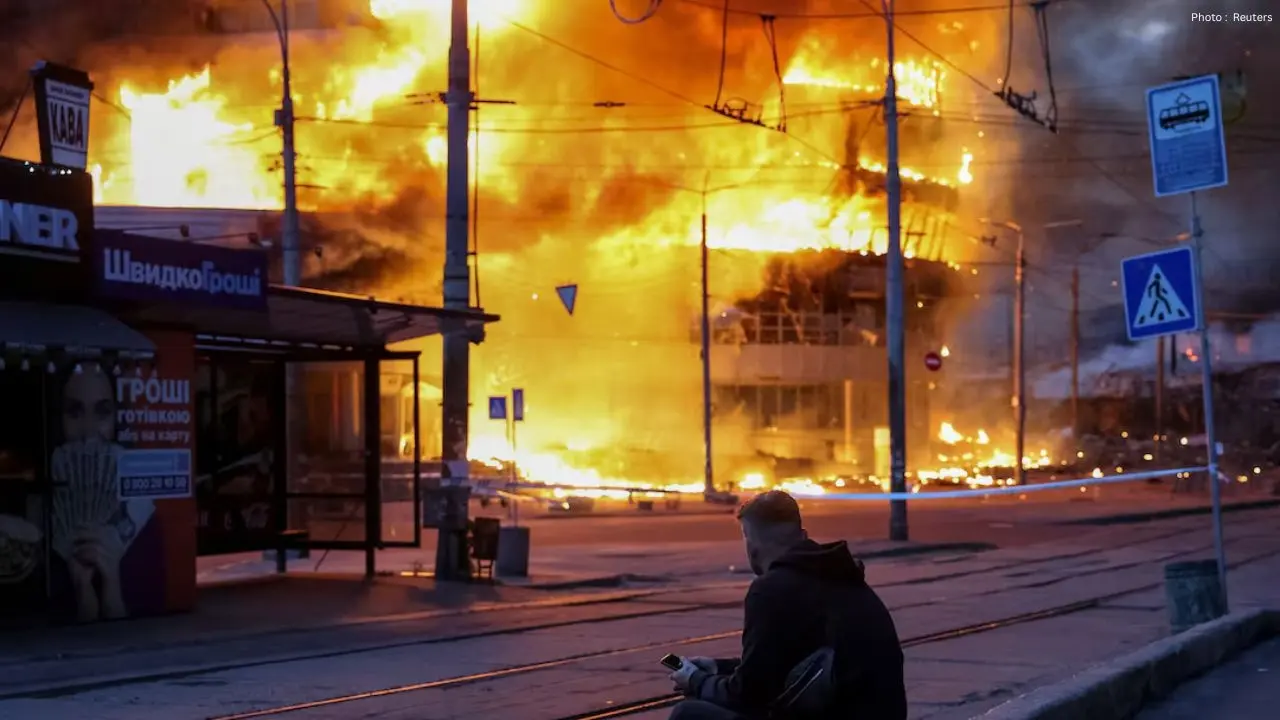
The conflict remains intense despite diplomatic efforts. Russia launched one of its heaviest attacks in weeks on Thursday, firing 574 drones and 40 missiles in a single night. In retaliation, a Ukrainian drone attacked an oil pumping station in Russia’s Bryansk region, halting oil deliveries along the Druzhba pipeline to Hungary and Slovakia. This marked the third attack on the pipeline in nine days.
Hungary and Slovakia, which are highly dependent on the pipeline for oil supplies, indicated that it could take at least five days to resume operations. Both countries have raised complaints with the European Commission.
Hungarian Prime Minister Viktor Orbán even wrote to President Trump regarding the attack. Trump personally responded, expressing anger over the situation and highlighting his support for Hungary and Slovakia, writing, “Viktor – I do not like hearing this – I am very angry about it. Tell Slovakia. You are my great friend.”
While diplomatic efforts continue, the situation remains tense. Ukraine is pushing for strong security guarantees backed by NATO and the West, while Russia resists a summit and maintains pressure on the battlefield. The coming weeks will determine whether talks can produce meaningful results or if the conflict will escalate further.