Winter Wellness Warning: 3 Bathroom Blunders That Could Endanger Your Heart
As winter settles in, many individuals focus on shielding themselves from coughs and colds. However, it’s crucial to recognize that the season can also subtly impact your cardiovascular health. Medical professionals often highlight that frosty conditions can elevate stress on the heart, particularly if daily routines are inconsistent.
One area people often overlook regarding heart safety is the bathroom. Bathrooms tend to be cooler than other parts of the house, and abrupt temperature shifts combined with poor habits can be hazardous—especially for seniors and individuals with high blood pressure, diabetes, or pre-existing heart conditions.
Experts emphasize that minor mistakes made in the bathroom during winter can lead to significant heart issues. Symptoms like dizziness, fatigue, or even chest pain can occur. In extreme cases, this can culminate in heart attacks. Fortunately, by exercising caution and making straightforward adjustments, these risks can be mitigated.
Here are three prevalent bathroom blunders in winter that could jeopardize your heart, along with safer practices to follow.
1. Taking Extremely Hot Showers
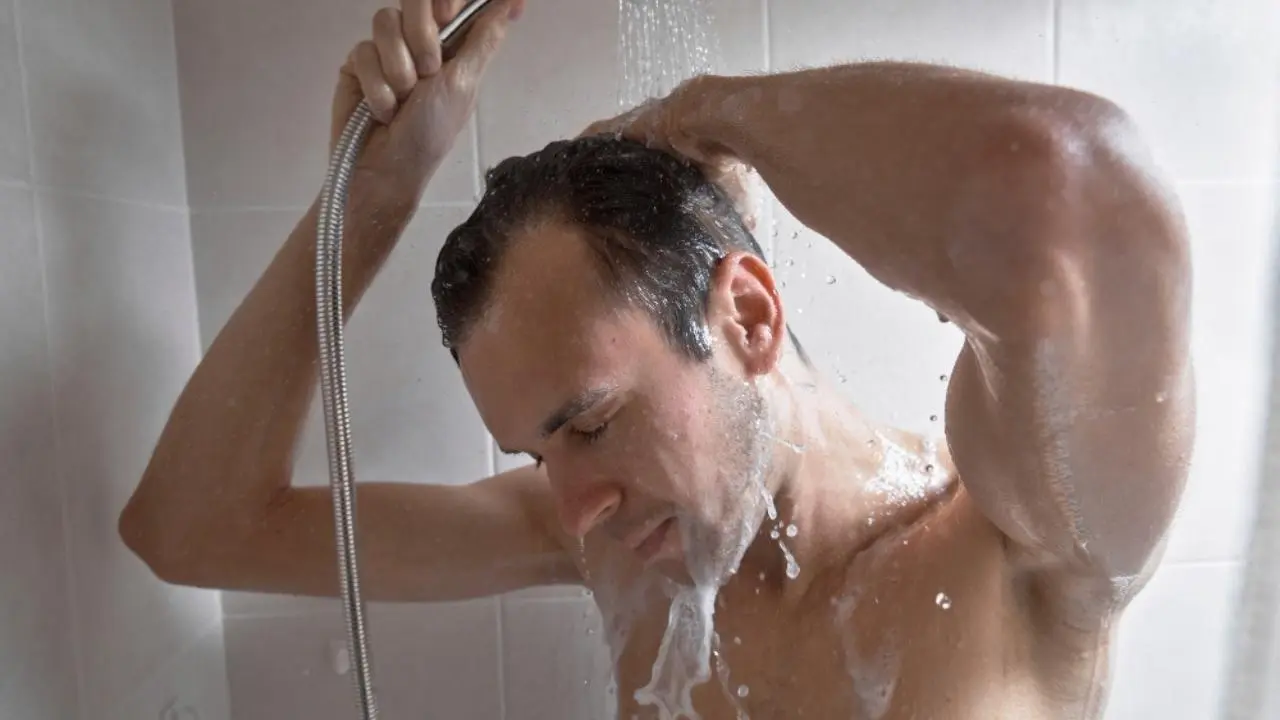
Many enjoy indulging in hot showers during the winter months for a soothing experience. However, water that is excessively hot can be detrimental to heart health.
When a person suddenly enters very hot water, blood vessels expand rapidly. This can lead to a quick drop in blood pressure, compelling the heart to work harder, which may cause sensations of light-headedness, weakness, or breathlessness. In severe scenarios, this might result in fainting or stress on the heart.
The risk escalates for:
While hot water might feel nice, the shock of sudden heat can be dangerous in winter.
Healthier practices:
Opt for lukewarm or mildly warm water
Ease into the shower gradually
Limit time spent under hot water
Stop or sit down if you feel faint
A comfortable water temperature is markedly safer than extreme heat.
2. Exiting into Cold Air Post-Bath
Another frequent winter error involves stepping out of a warm shower into a chilly bathroom or hallway. This abrupt temperature drop can be shocking to the system.
When the body instantly feels cold, blood vessels constrict rapidly, increasing both blood pressure and heart rate. The heart must exert more effort, which poses risks for those with existing heart issues.
Numerous heart emergencies in winter occur due to immediate exposure to cold after a warm bath, providing no time for the body to adjust.
Healthier practices:
Preheat the bathroom before bathing
Keep windows and doors closed
Thoroughly dry off before stepping out
Don warm clothing right after bathing
Maintaining a stable body temperature is key to heart protection.
3. Overexerting During Toilet Use
Straining while using the toilet is yet another bathroom practice that can affect cardiovascular health. In winter, slow digestion may lead to constipation, prompting more straining.
Such straining increases internal pressure and limits blood flow to the heart. This sudden pressure can disrupt the heartbeat and might result in dizziness, chest distress, or severe heart complications, particularly for those with weakened heart conditions.
Doctors frequently advise those with heart problems to avoid excessive straining.
Healthier practices:
Stay hydrated with warm water throughout the day
Incorporate fiber-rich foods, such as fruits and vegetables
Avoid rushing or forcing bowel movements
Consider using a stool under your feet for improved posture
Seek medical advice if constipation persists
Gentle habits in the bathroom can contribute to heart safety.
Why Winter Increases Heart Risks
In colder temperatures, blood vessels naturally constrict to conserve heat. This elevation in blood pressure places additional stress on the heart. When coupled with sudden temperature changes and physical strain, the risk to heart health intensifies.
Bathrooms present unique dangers because:
They typically remain cooler than other areas
Rapid fluctuations between hot and cold occur
Individuals often find themselves alone in these spaces
In case of an emergency, immediate assistance may not be at hand.
Essential Tips for Winter Heart Safety in Bathrooms
Keep your bathroom heated
Steer clear of extreme water temperatures
Move with caution and steadiness
Stay well-hydrated daily
Never disregard symptoms like dizziness or chest pain
Elderly individuals should avoid bathing alone
Simple actions can prevent serious health complications.
This winter, it's vital to prioritize your heart health, especially in the bathroom.
Disclaimer
This information is intended for general awareness and should not replace professional medical guidance. Individual health circumstances vary, and consulting a healthcare professional is advisable for those with underlying health issues. Seek immediate medical assistance for symptoms like chest pain or dizziness.