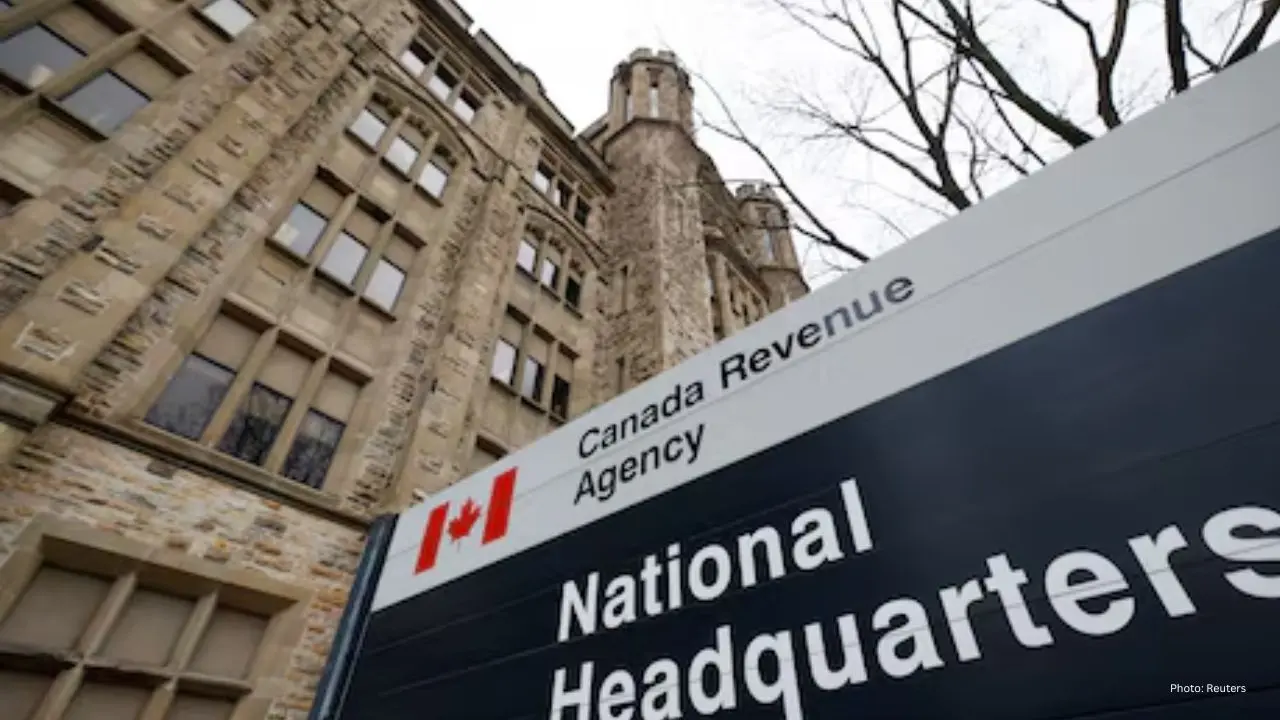
The Canada Revenue Agency is facing renewed scrutiny after issuing another multi-million-dollar tax refund based on what it now alleges was a fraudulent return, raising serious concerns about oversight failures within the agency.
According to court documents, a refund of nearly $5 million was paid in 2025 to a British Columbia businesswoman despite what officials later described as “falsified” and “illogical” information in her tax filing. The case has triggered internal criticism, with one agency insider reportedly saying, “Here we go again,” referencing previous similar incidents.
The issue came to light after auditors reviewed the file months later and found that the return had been flagged for manual review but was still approved. The taxpayer had claimed nearly $10 million in foreign income and an equivalent amount in taxes paid, an unusual scenario that would imply a 100 percent tax rate—something experts say should have raised immediate red flags.
Despite these discrepancies, the refund was approved by multiple reviewers and processed quickly. It was only after a later reassessment that officials determined the payment was unwarranted and launched efforts to recover the funds.
The agency has since taken legal action in the Federal Court of Canada, obtaining a “jeopardy order” to freeze a portion of the recipient’s assets. So far, about $4.2 million has been secured, while the total amount claimed by the agency, including penalties and interest, has risen to nearly $7.9 million.
Experts say the case highlights major gaps in fraud detection and verification processes. Raphaël Clément, a legal expert in Canadian tax law, questioned how such a claim could pass through multiple levels of review without being properly examined.
The controversy also comes amid previous reports of large fraudulent refunds slipping through the system, with investigations revealing that tens of millions of dollars may have been lost due to weak controls. Critics argue that the agency appears to apply stricter scrutiny to smaller claims while missing major irregularities in high-value cases.
François-Philippe Champagne has responded to the latest case by calling for a full review. He said the agency must investigate what went wrong and implement stronger safeguards to prevent similar incidents in the future.
In response, the CRA stated that it is continuously updating its systems to address evolving fraud risks but acknowledged that new tactics are making detection more challenging.
The case underscores growing concerns about the effectiveness of current tax verification systems and the need for stronger oversight, particularly when handling large refund claims. As recovery efforts continue, the incident is likely to increase pressure on the agency to tighten its processes and restore public confidence.