Photo:AP
Introduction: A Nation Under Siege from Fire
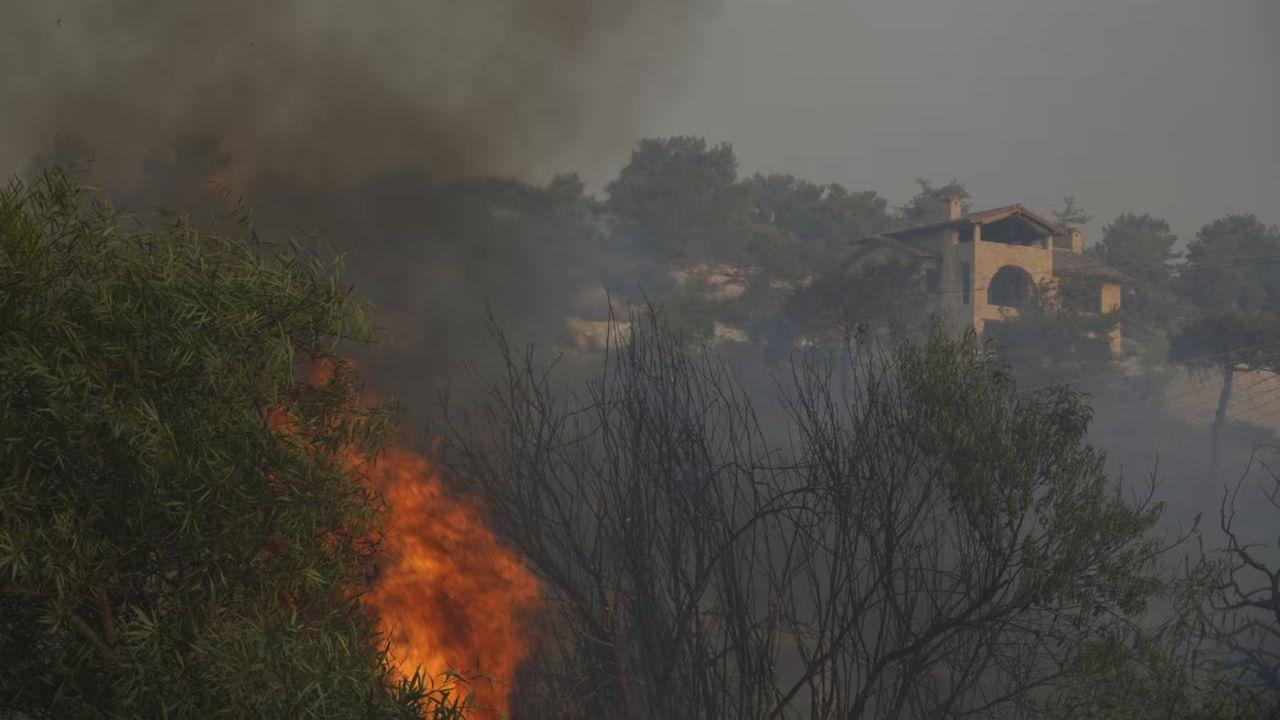
The island nation of Cyprus is grappling with one of the most severe natural disasters in its recent history as a massive wildfire rages through its southern region. This catastrophic blaze, fueled by soaring summer temperatures, persistent drought conditions, and relentless winds, has ravaged the Troodos mountain range and strikes fear into residents and authorities alike. The unfolding tragedy has resulted in extensive property damage, tragic loss of life, emergency evacuations, and international appeals for help.
The event underscores not only the immediate dangers posed by wildfires but also the growing vulnerability of regions worldwide to climate-induced extreme weather events. For Cyprus, a country with a Mediterranean climate known for hot, dry summers, this wildfire reveals the heightened risks faced by ecosystems and communities amid global warming trends.
Geographical and Environmental Context
The Troodos mountain range, positioned centrally within Cyprus, is a vital ecological and cultural landmark. Known for its dense pine forests, unique flora, and picturesque villages, the area attracts both locals and tourists year-round. The mountains play a crucial role in the island’s climate regulation and water cycle, housing reservoirs and feeding local agriculture.
Unfortunately, the same forests that enhance Cyprus’ natural beauty have transformed into tinderboxes due to a combination of acute drought and heatwave conditions. For three consecutive winters leading up to July 2025, Cyprus experienced significantly below-average precipitation, drastically lowering soil moisture levels and dehydrating the forest floor. The parched landscape created ideal conditions for the wildfire to ignite and spread rapidly.
In addition, Cyprus’ Kouris reservoir, the island’s largest freshwater body, has dwindled alarmingly to about 15.5% capacity. This shortage of water has hampered firefighting efforts since aerial aircraft and ground teams rely heavily on local water sources to combat flames. Firefighters must now transport water from farther distances, creating logistical challenges and risking delayed responses to flare-ups.
Timeline and Progression of the Fire
The wildfire’s genesis is traced to midday on July 23, 2025, when observers reported smoke rising near the villages east of Limassol, close to the mountainous terrain of the Troodos range. High temperatures exceeding 43°C (109°F), combined with sweeping winds often gusting over 50 kilometers per hour, facilitated the rapid expansion of the blaze.
Almost immediately, the fire crossed multiple administrative boundaries, complicating containment coordination. The flames consumed forests, farmland, and small rural communities at an alarming clip, covering an estimated 100 to 120 square kilometers (around 38 to 46 square miles) in just over 48 hours. As the fire approached populated areas, local authorities issued urgent evacuation orders to at least 14 villages along a 14-kilometer stretch.
Evacuated villages include Souni, Lofou, Monagri, Alassa, Koilani, and several others. Many residents described the scene as chaotic and terrifying, with families having to leave pets and possessions behind to escape progressing flames.
Human Impact: Tragedy and Trauma
Among the most tragic outcomes was the discovery of two bodies inside a burned-out vehicle along the Monagri-Alassa road. These individuals are believed to have become trapped by the rapidly advancing fire while attempting to flee. The harsh reality of the blaze’s speed and intensity serves as a chilling reminder of the life-threatening danger wildfires pose not just in forested areas but also on evacuation routes.
In addition to these fatalities, the fire has injured at least 26 people, some with serious burns and respiratory complications caused by smoke inhalation. Medical personnel report that seven of these injured individuals remain hospitalized, receiving treatment in nearby health facilities equipped to manage burn and smoke-related injuries.
Family members of affected residents describe moments of panic and confusion as evacuation orders arrived with little notice. Some evacuees recounted narrowly escaping advancing flames and navigating blocked or hazardous roads while transporting elderly or disabled relatives. Temporary shelters were rapidly established in community centers, apartment buildings, and sports courts to house hundreds displaced by the blaze.
Destruction of Property and Infrastructure
The physical destruction wrought by the wildfire is extensive and heartbreaking. Preliminary assessments indicate that at least 32 to 53 homes and other structures have been destroyed across the affected villages, with Lofou alone accounting for at least 20 residences lost entirely. Many other buildings suffered severe smoke and heat damage rendering them uninhabitable.
Utility services have been severely disrupted, with widespread power outages and damage to water supply networks further complicating emergency response and recovery efforts. Fallen power lines and downed trees have obstructed roads and hindered access for firefighting and medical teams.
Local officials have warned residents to avoid the affected areas both for their safety and to allow emergency services to operate effectively without interference.
Firefighting Operations: Battling the Flames on Multiple Fronts
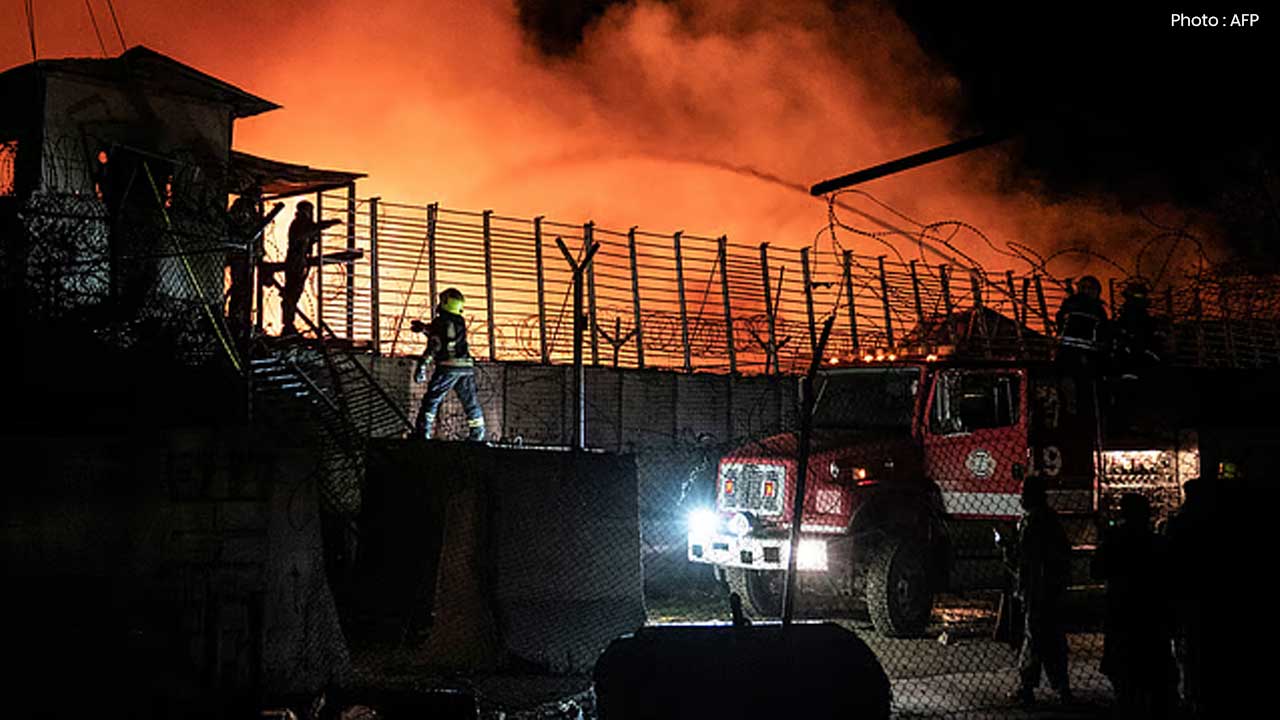
Cypriot emergency services mobilized swiftly as the crisis escalated, deploying over 250 firefighters in ground efforts to contain the fire’s perimeter. However, the rugged, wooded terrain and challenging weather conditions have limited ground crew effectiveness.
The fire response was supplemented by a large international fleet of firefighting aircraft, including 14 planes and helicopters from Spain, Jordan, Greece, Israel, the United Kingdom, and the European Union. These aircraft performed repeated water and fire retardant drops targeting the fire front and potential hotspots.
Despite these formidable efforts, the wildfire’s intensity has led to several flare-ups requiring renewed aerial interventions and ground attacks. Firefighters are operating under extremely hazardous conditions, and several rescues have been conducted to evacuate personnel threatened by shifting winds or worsening fire lines.
Authorities emphasize that while progress has been made in controlling parts of the blaze, full containment is not yet achieved, and vigilant monitoring will continue for days due to the risk of rekindling.
Meteorological and Climate Factors Amplifying the Disaster
The ferocity of this wildfire must be understood in the broader context of climate trends affecting the Mediterranean basin. For years, European climate scientists have warned that rising average temperatures, prolonged droughts, and shifting precipitation patterns are making the region more vulnerable to devastating wildfires.
This event coincides with one of the hottest recorded summers in Cyprus, marked by an intense heatwave with temperatures soaring above 40°C regularly—conditions that dry out vegetation and increase the flammability of forests. These atmospheric anomalies, combined with strong, erratic winds, create a volatile and dangerous environment for wildfire ignition and spread.
Cyprus is also impacted by the cumulative effects of climate change-induced water scarcity, with significant reservoirs like Kouris experiencing chronic depletion.
Environmental experts stress that unless significant mitigation efforts and adaptations to land management, urban planning, and firefighting capabilities are implemented, such disasters may become increasingly frequent and severe.
Community and Government Response
In addition to the emergency responders, numerous volunteer groups and nongovernmental organizations have rallied to support evacuation efforts and provide food, water, and shelter to displaced persons.
The Cypriot government has declared a state of emergency for the affected regions and activated national disaster response protocols. Ministers and officials are coordinating with regional authorities and international partners to secure ongoing aid and resources.
Several government representatives have pledged to investigate the wildfire’s origins, assess disaster preparedness gaps, and propose measures to prevent future catastrophes. Early inquiries suggest possible arson involvement, though no definitive conclusions have been reached.
The public response has included expressions of sorrow for the victims and frustration with perceived shortcomings in emergency management, especially regarding evacuation logistics and timely communication.
Environmental and Economic Impact: Recovery Challenges Ahead
Beyond the immediate human toll, the wildfire has devastated large swaths of Cyprus’ natural environment. Wildlife habitats are destroyed, soils are scorched, and the regenerative capacity of forests is severely impaired.
Reforestation and ecosystem rehabilitation will require years of concerted effort, funding, and scientific guidance. Additionally, the loss of agricultural lands and orchards affects local food production and farmers’ livelihoods.
Tourism, a critical sector for Cyprus, especially in and around the Troodos region, will likely face downturns in the wake of this disaster, affecting the island’s economy.
Authorities are urging citizens to participate in recovery initiatives and heed safety advisories as cleanup and rebuilding proceed.
Lessons Learned and Looking Forward
The Cyprus wildfire crisis of 2025 serves as a powerful case study in the escalating risks wildfires pose to Mediterranean and global communities in a warming world. It highlights the essential need for:
-
Enhanced early-warning systems and real-time monitoring to detect and react to fires rapidly.
-
Robust cross-border and regional cooperation for firefighting and emergency logistics.
-
Improved public education on evacuation routes, preparation, and wildfire prevention.
-
Investment in water infrastructure and firefighting technology adapting to climate realities.
-
Climate action policies aimed at mitigating further environmental degradation and warming.
This tragedy reinforces that climate resilience is not only an environmental priority but a social and economic imperative for vulnerable nations.
The devastation wrought by the Cyprus wildfire is profound and multifaceted — impacting lives, homes, ecosystems, and the broader fabric of Cypriot society. As firefighters continue their brave work under challenging conditions, and communities come together to heal and rebuild, the world watches and learns. The disaster is a stark reminder of nature’s power, the consequences of climate change, and the crucial role of preparedness and cooperation in safeguarding lives and landscapes.
Cypriots and the international community must remain vigilant, united, and proactive to reduce the likelihood and severity of future wildfire disasters while supporting those affected by the flames.