Vietnam's government is embarking on an ambitious strategy to transform several major universities in Southeast Asia into premier educational institutions. This initiative seeks to bolster academic quality, elevate global rankings, and align with the nation’s future growth objectives.
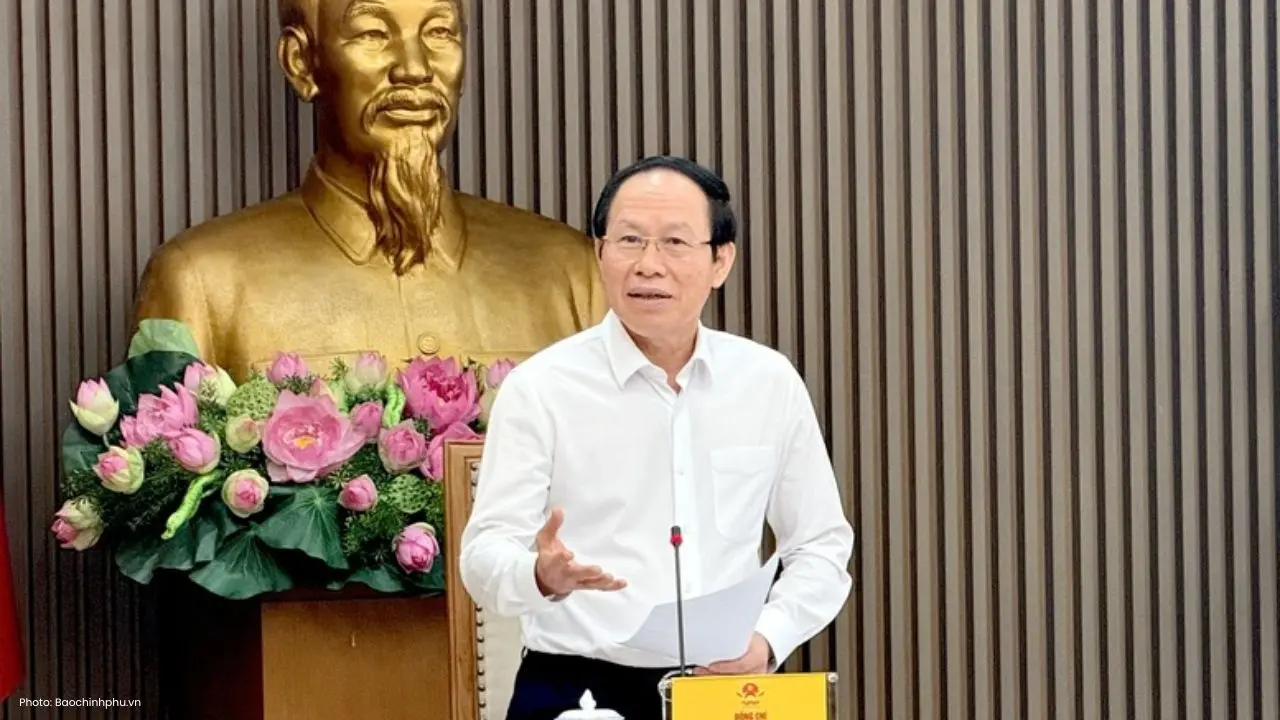
This plan was deliberated in a high-level meeting led by Le Tien Chau, bringing together officials from various ministries and institutions to assess advancements and outline the pathway for execution.
Per the Ministry of Education and Training, the focus will be on cultivating three pivotal universities: the Ho Chi Minh City University of Economics, Ho Chi Minh City University of Medicine and Pharmacy, and the Vietnamese-German University. These universities were chosen for their solid academic foundation, autonomy, and international acclaim.
The government stresses that this initiative will synchronize with national objectives and current educational guidelines. It aims to forge a robust connection between educational outcomes and industrial demands, particularly in sectors such as technology, finance, healthcare, and innovation.
Deputy Prime Minister Le Tien Chau emphasized the necessity for clear benchmarks and quantifiable criteria, urging universities to establish their ranking aspirations using recognized global frameworks to guarantee transparency and uniformity across institutions.
The initiative revolves around three principal elements: funding, infrastructure, and policy support. Authorities are ensuring that financial backing is appropriately distributed and that the necessary assistance is afforded to institutions to reach their objectives.
By 2030, Vietnam envisions having at least eight universities ranked within the top 200 in Asia and one institution within the top 100 globally in specified disciplines. Officials are optimistic that this program will cultivate a highly skilled workforce and reinforce the country’s stature in the international educational landscape.